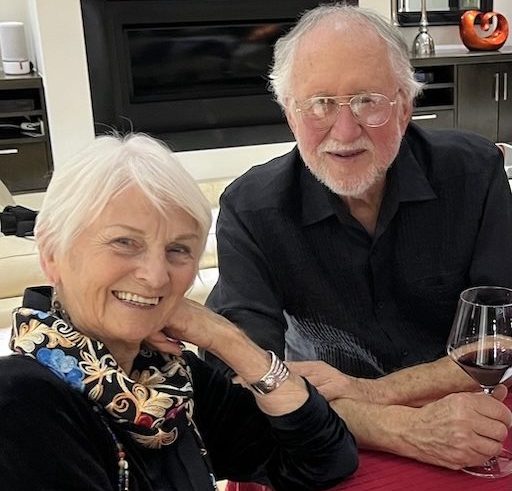
January 15 – 21, 2026
“I haven’t been everywhere, but it’s on my list.” -Susan Sontag
It was a good plan. We’d avoid the cold winds of Kino Bay in mid-January and we’d enjoy a ride on the new Tren Maya in the warm lands of Chiapas, Quintana Rio, and Yucatán. It would be during the low season after the year-end holidays so we’d see smaller crowds, things might be cheaper, and we’d leave our bulky warm clothes behind. Retirement years are a limited quantity and it’s important to invest them wisely.
We began the usual way, as we caught the Costa bus for Hermosillo. We avoid worrying about whether we’ll catch the plane by spending a night in town beforehand and enjoying a nice dinner. It’s like a mini-vacation before heading to the airport.
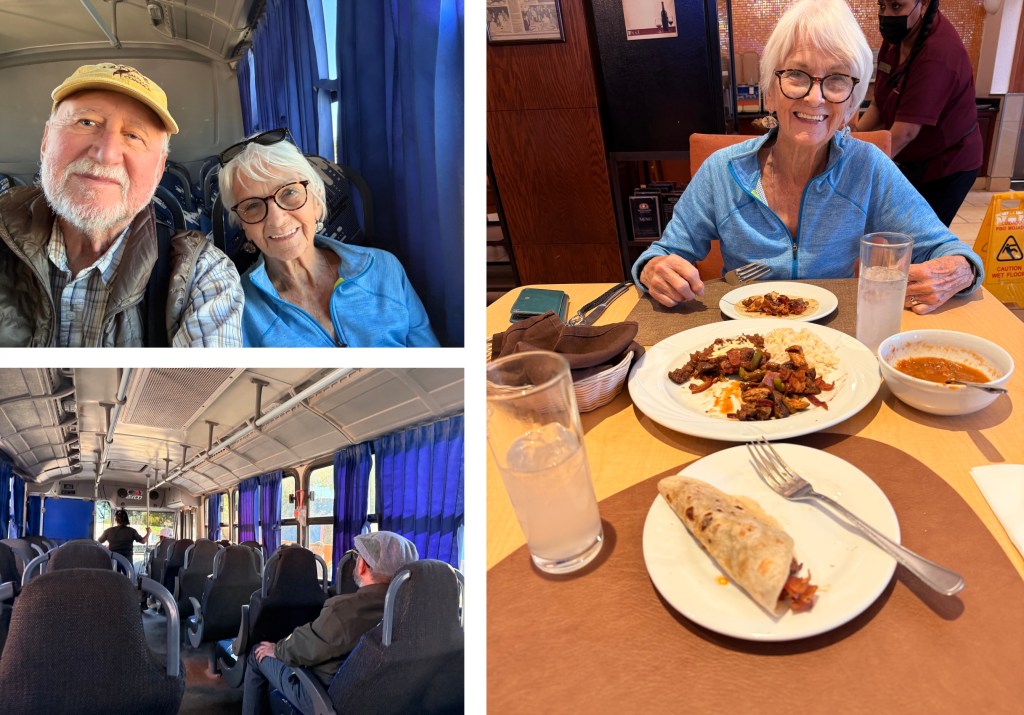
There was a plane change in Mexico City, and then we drifted down through a cloudy sky toward the fertile green jungle lands around Palenque, in the state of Chiapas. We had been here about ten years ago, staying in some fun and funky lodgings, with cherished memories of warm days and cool evenings. And there were howler monkeys to serenade us in the nighttime. It was a tropical paradise that we wanted to revisit, and an opportunity to check out the new Tren Maya gave us the right excuse, although it would be a bit rainier and chillier than we’d planned for.

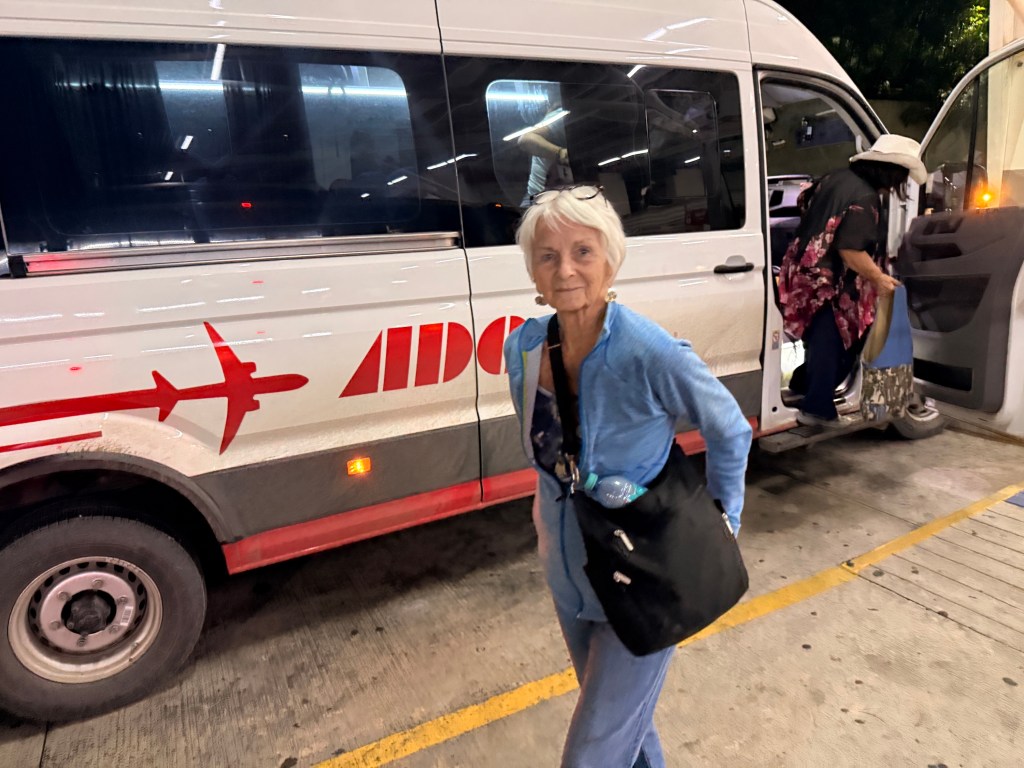
Palenque has only a small airport, so we landed at nearby Villahermosa and took the local ADO shuttle that hauls folks like us to the city of well-known Mayan ruins hidden in the jungle.
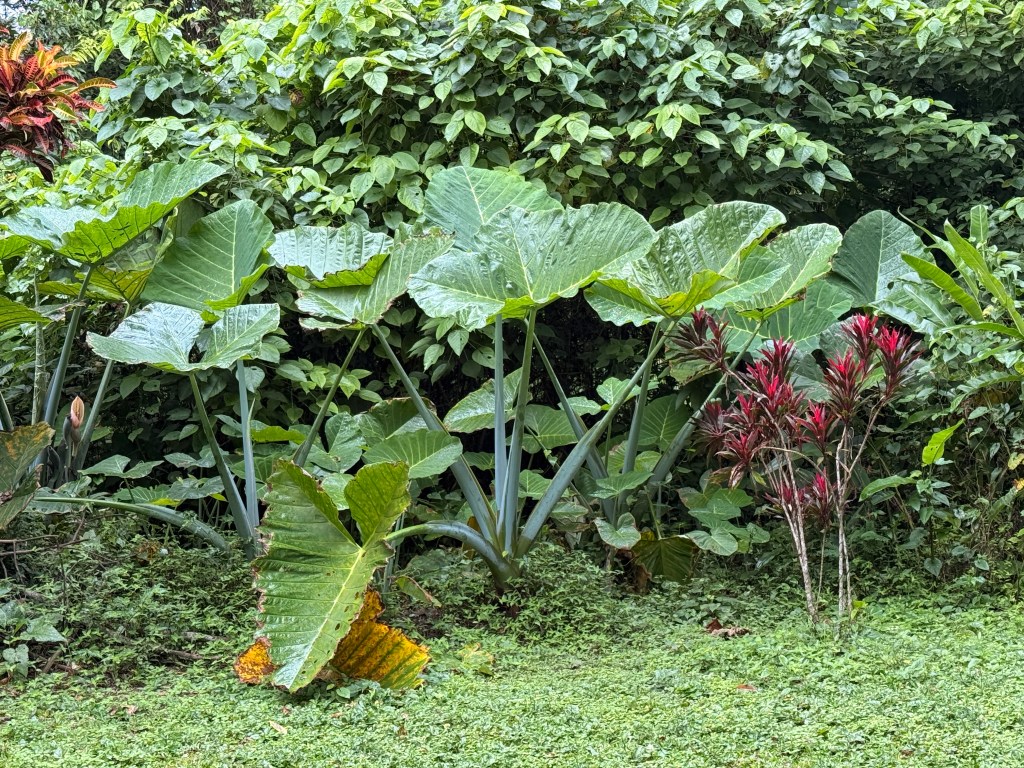
Carolyn booked us into an exotic-looking place called the Hotel Villa Mercedes Palenque. The towering entry hall includes a friendly parrot that says ‘Hola’ every time we walk past. The grounds are well-kept, and there are sturdy hammocks just outside our door is case we want to stay close to nature.
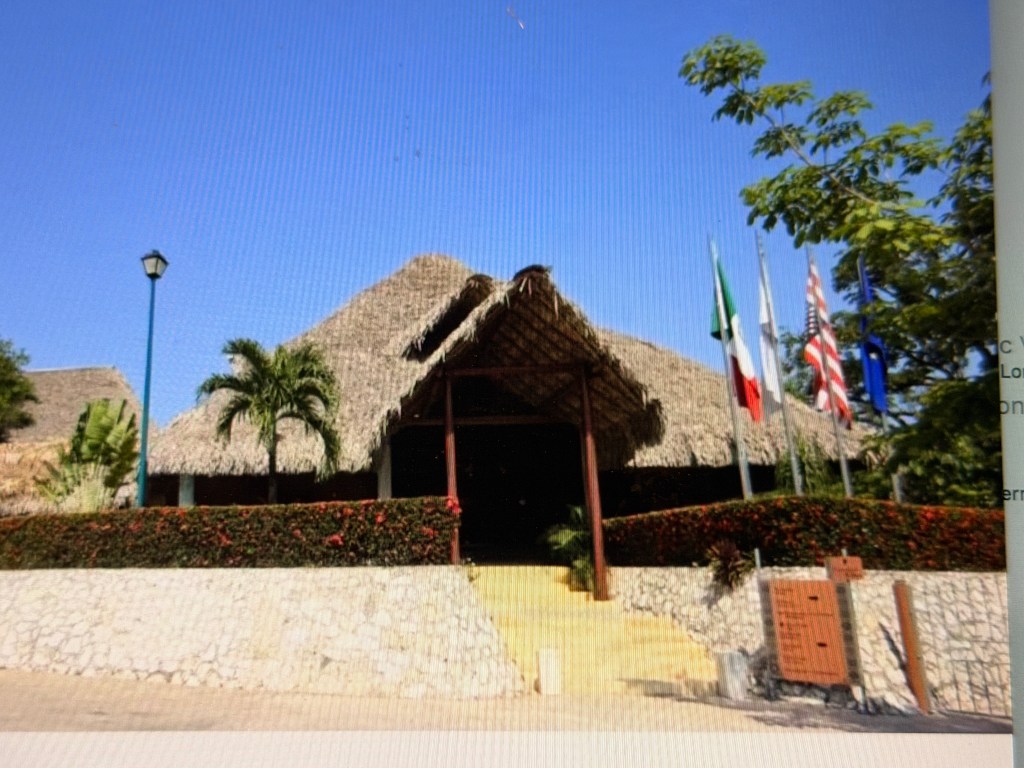
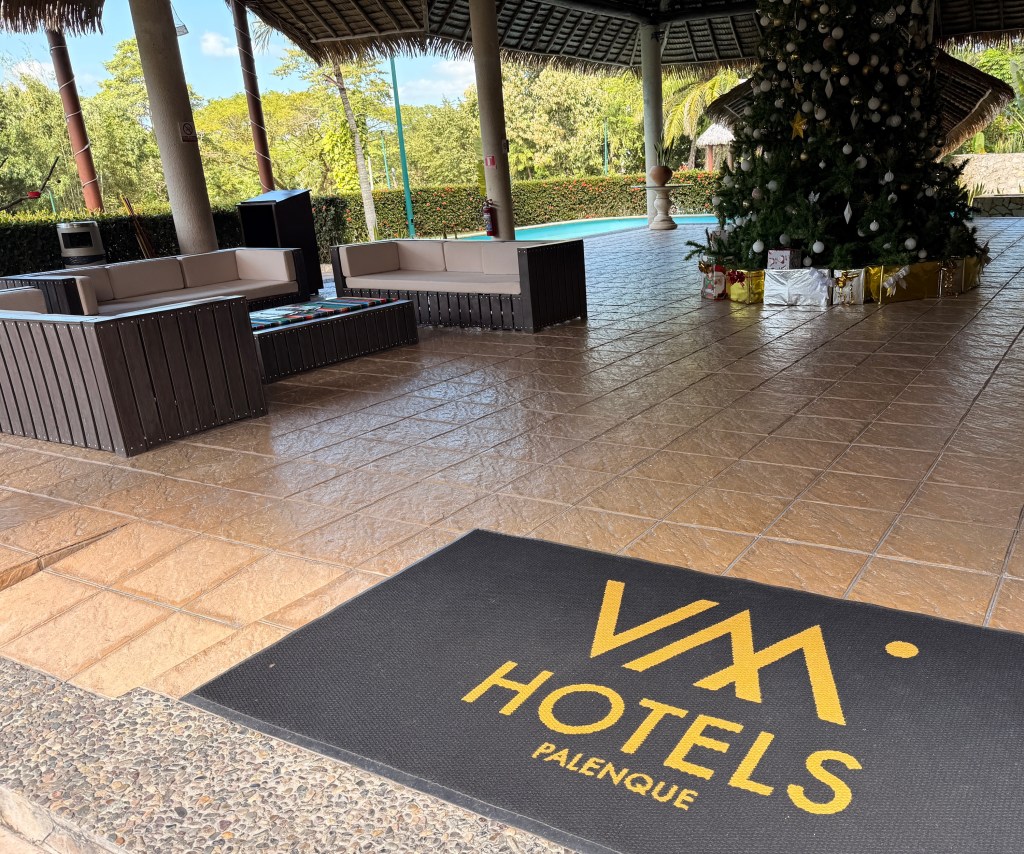

The bed is comfy, with a window looking right out into the greenery. And the breakfasts and dinners are quite good.
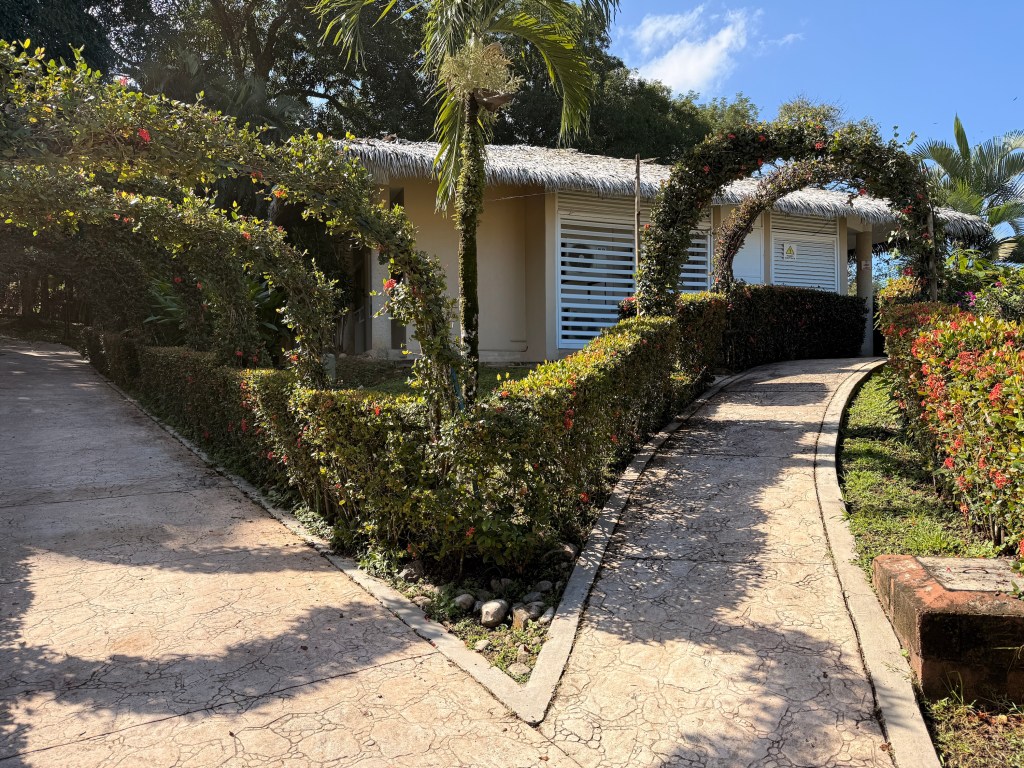
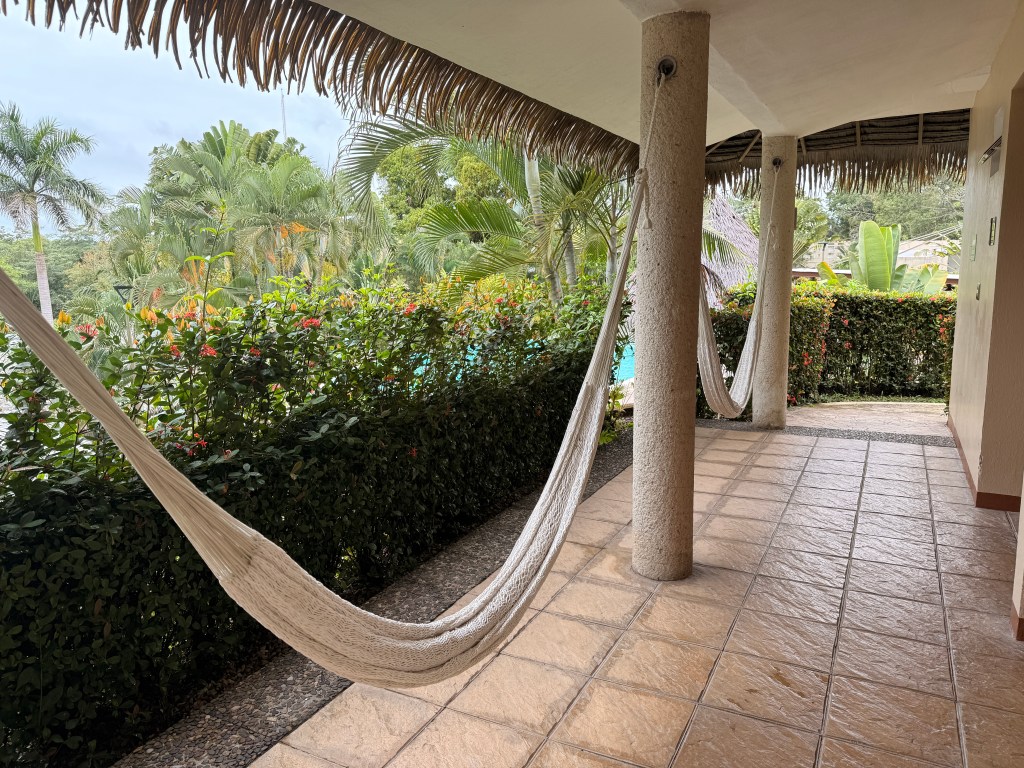
The Villa Mercedes is an extensive facility, as it wanders along pathways back into the jungle. There’s a pool with a bar right near our room, and there’s a second pool farther along in the forest with bar-side seating for thirsty guests.
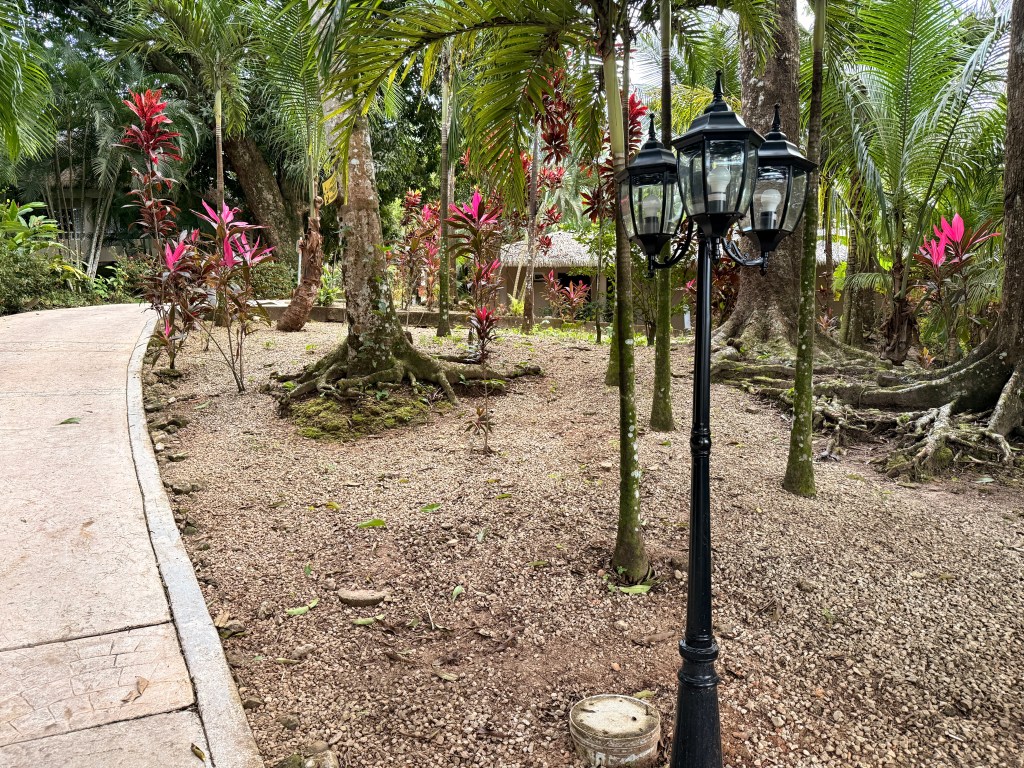
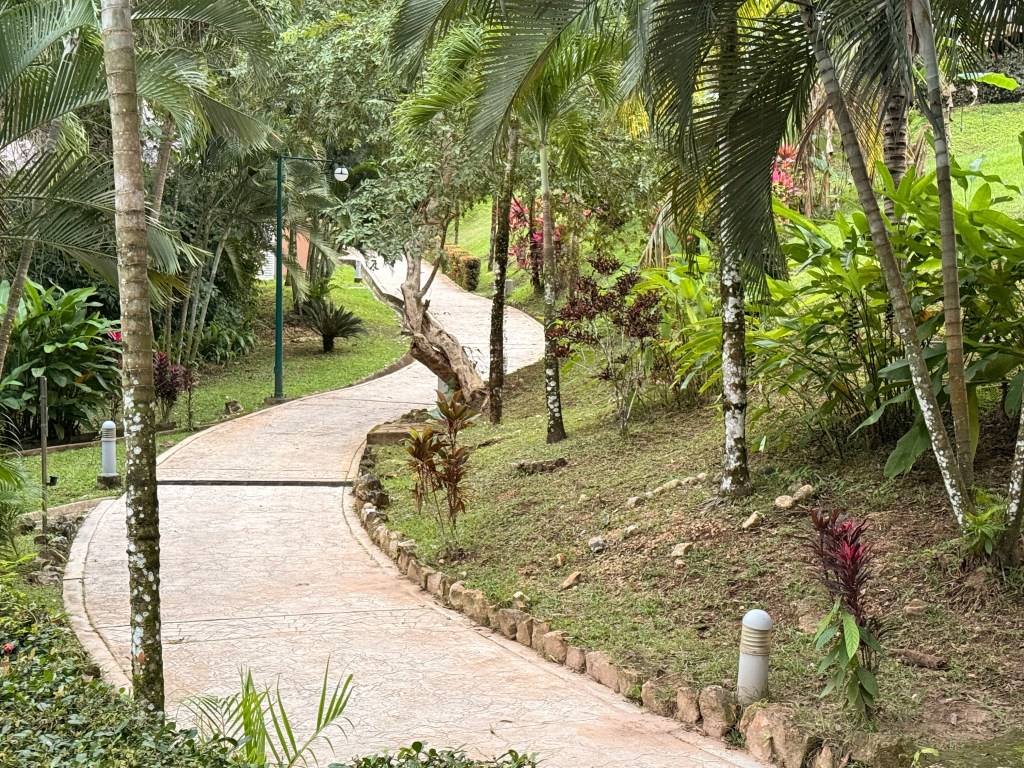

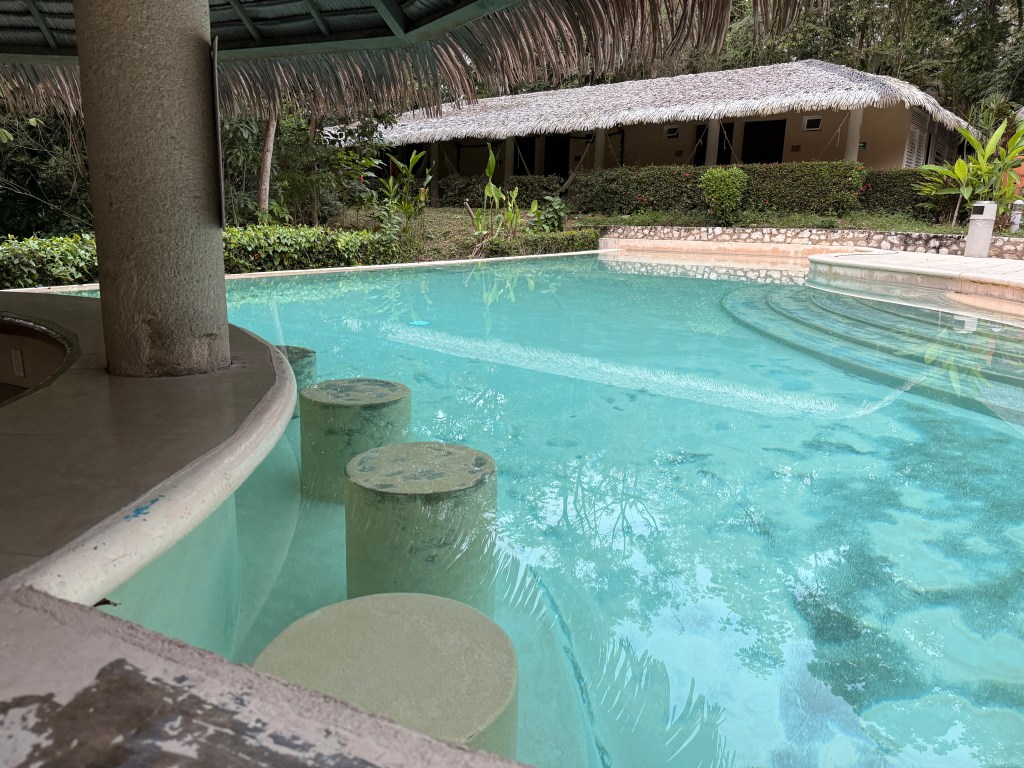
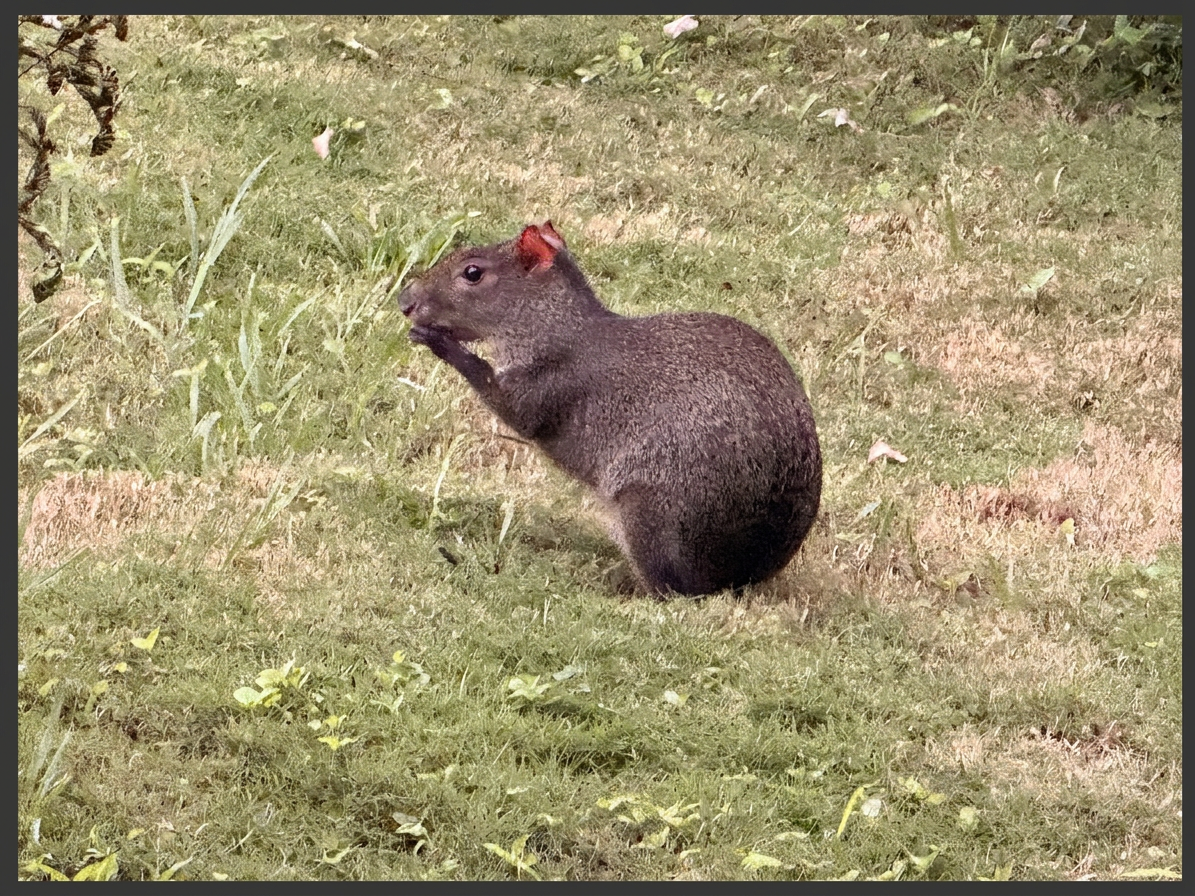
And there are some cute and perky agoutis wandering about the grounds. These native rodents are described scientifically as ‘diurnal and crepuscular frugivores,’ which means they hang out during the daylight and twilight hours and eat fruit.
Right near the hotel there’s a wildlife center called Aluxes. We didn’t want to make a late start touring the ruins, so we decided to check out this eco-center instead. The place is well-planned, with a naturalistic layout, and houses a wide range of animals who live in the local jungles. It was a good start to our visit, with plenty of flowering plants by the entryway and butterflies in abundance. A pair of scarlet macaws nesting in an old dead palm eyed us with curiosity.
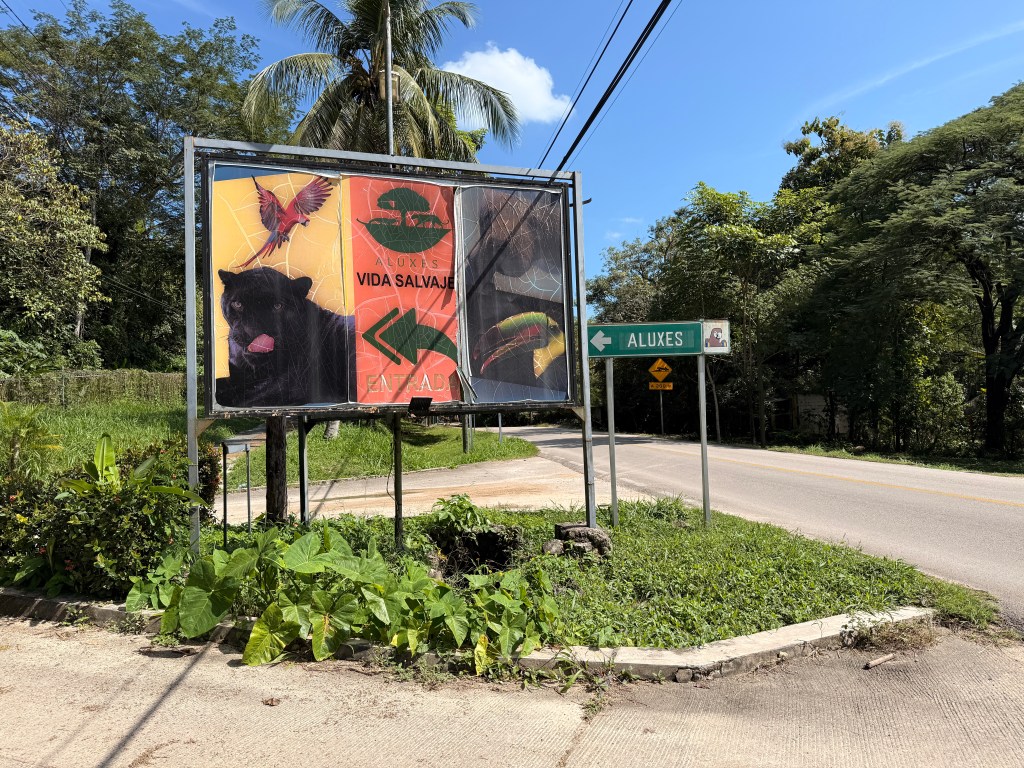
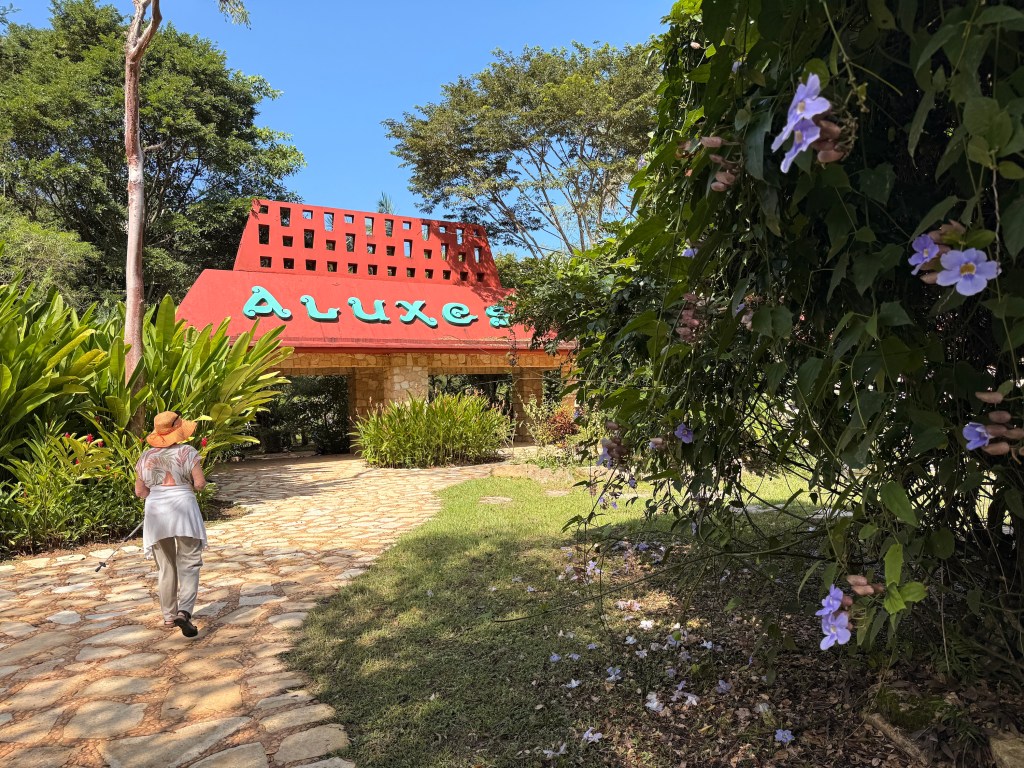
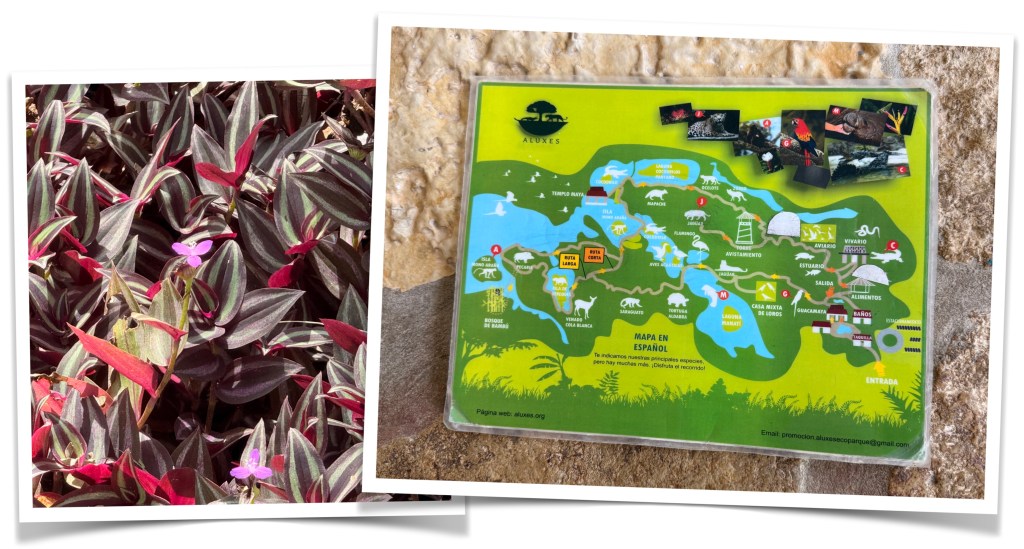
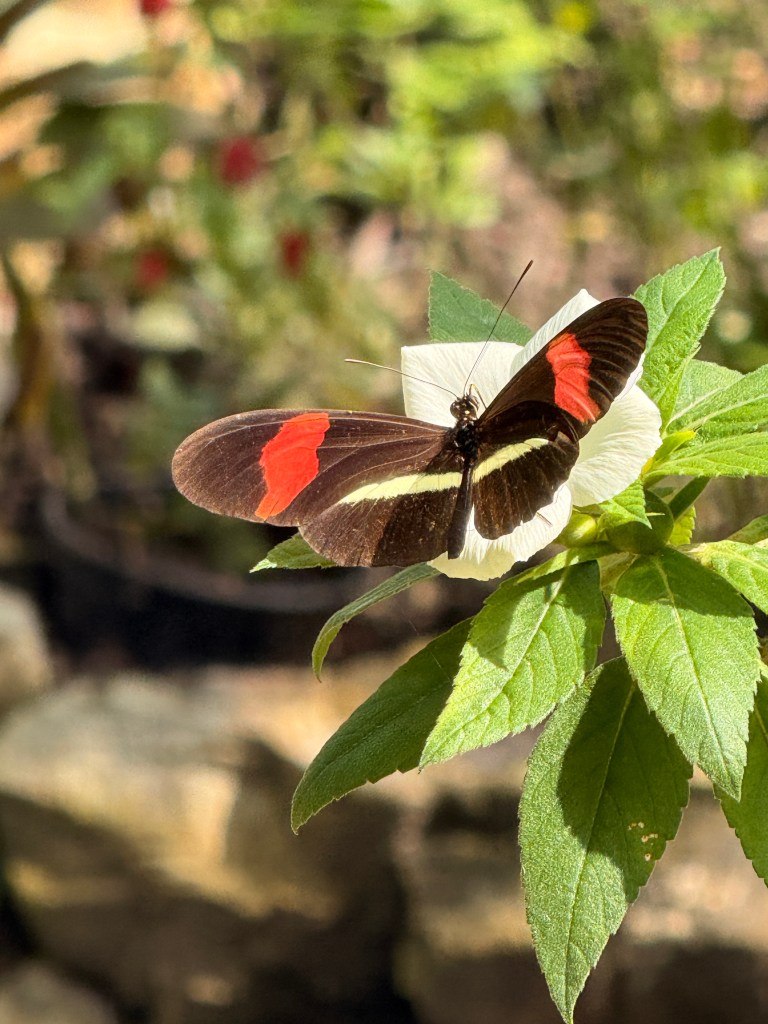
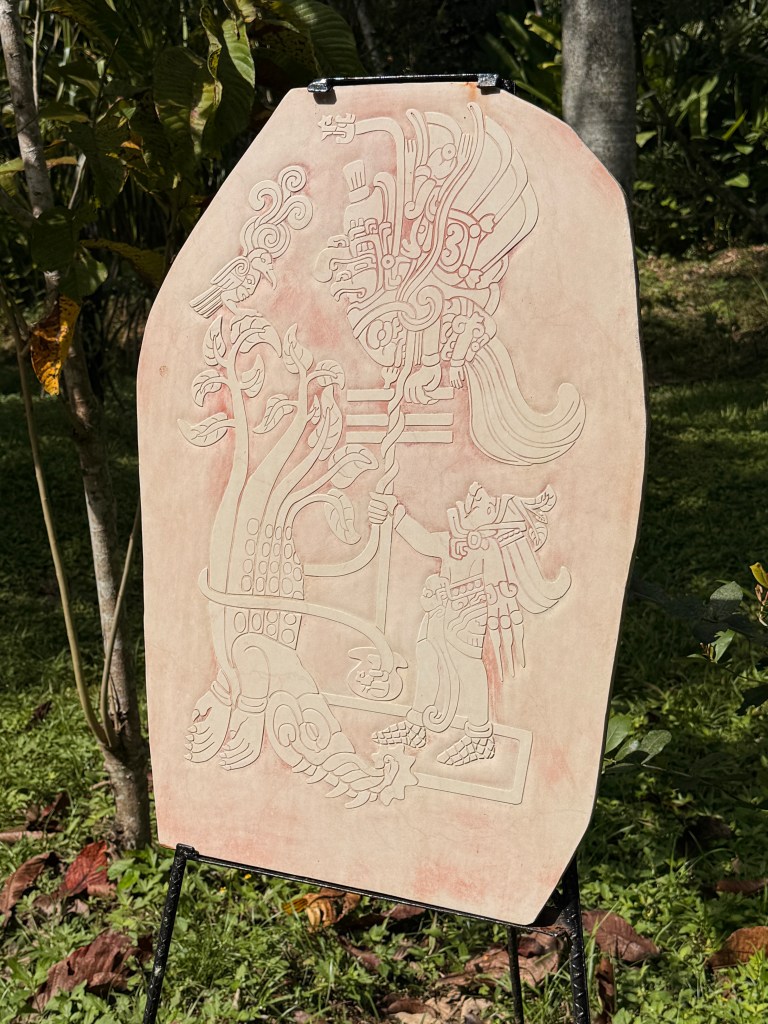
The sunny entryway soon led to dense jungle cover sheltering a variety of animal habitats. It’s a peaceful place to spend an afternoon, with the calls of animals echoing through the woods, and far from the sounds of civilization.
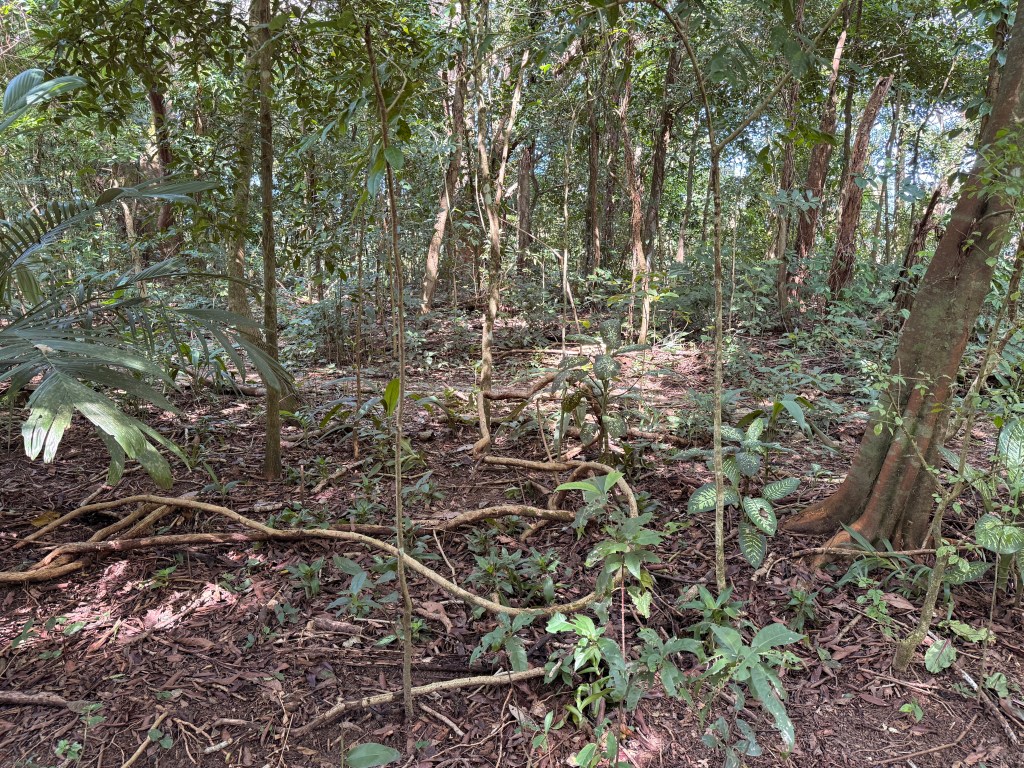
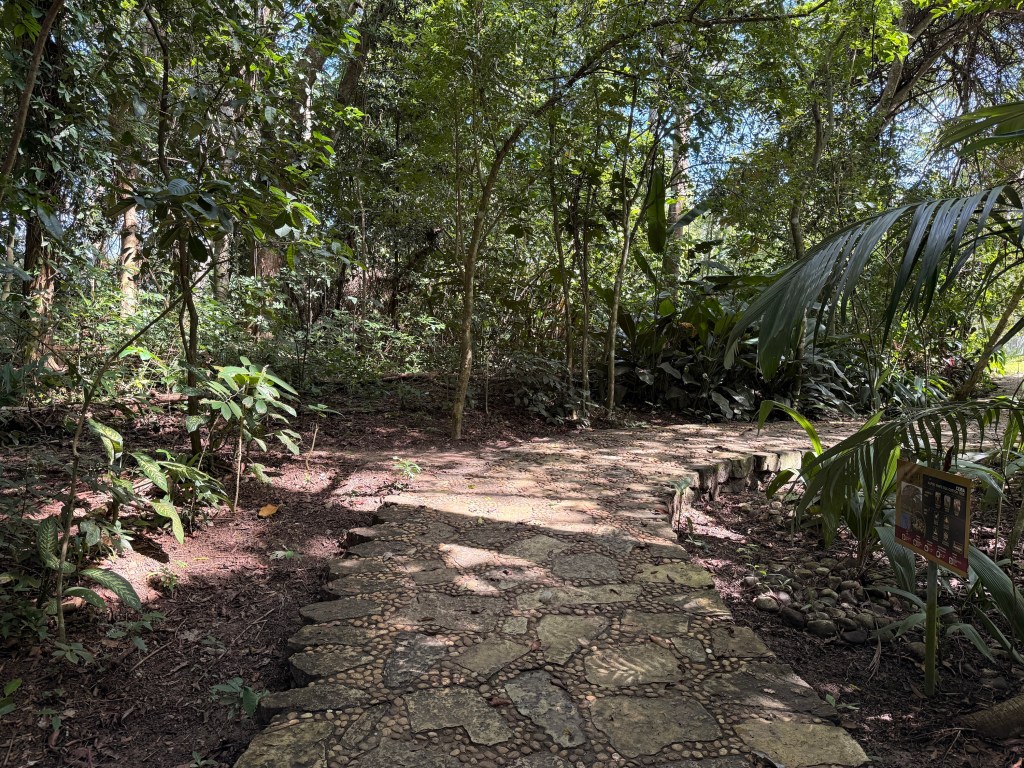
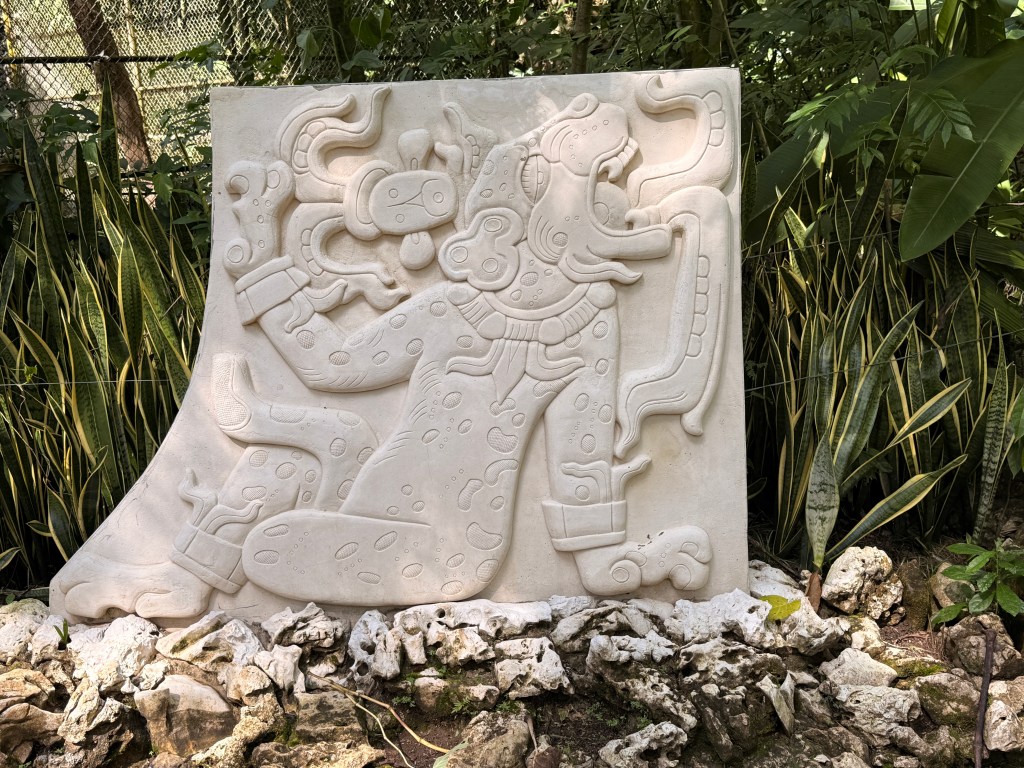
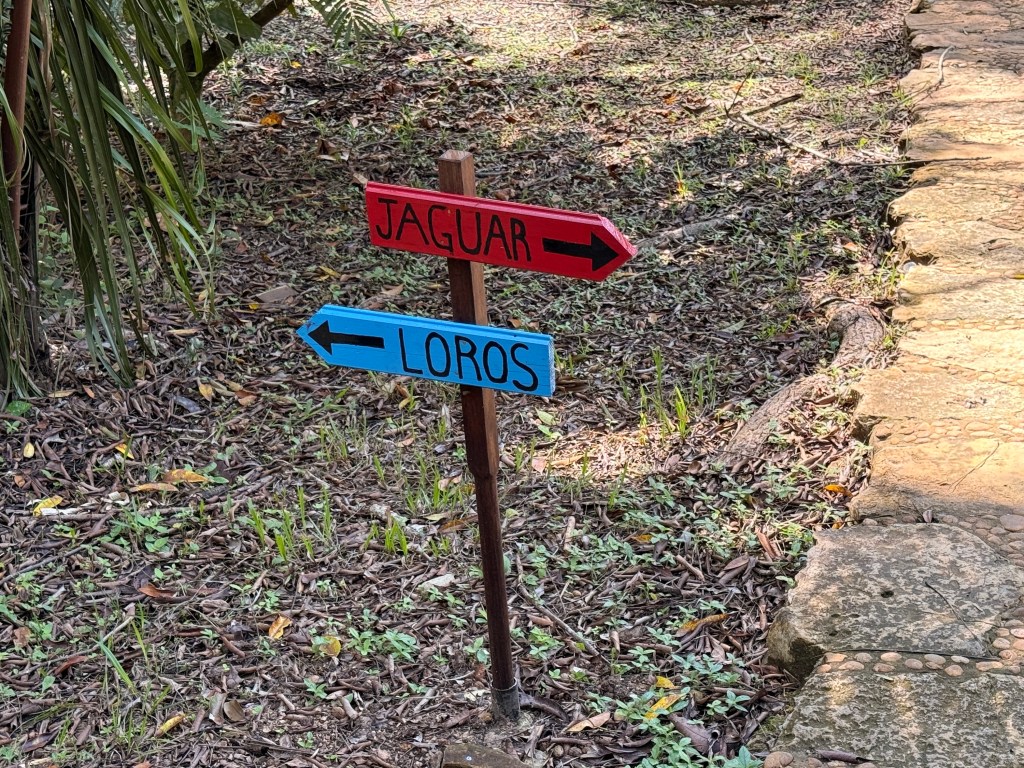
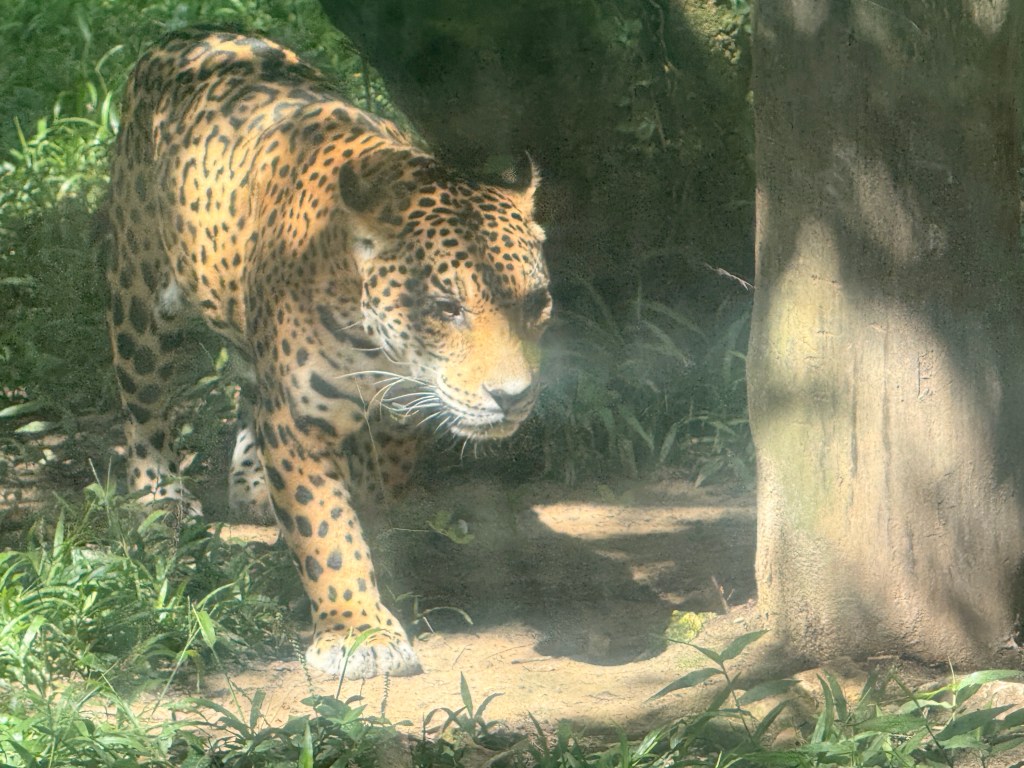
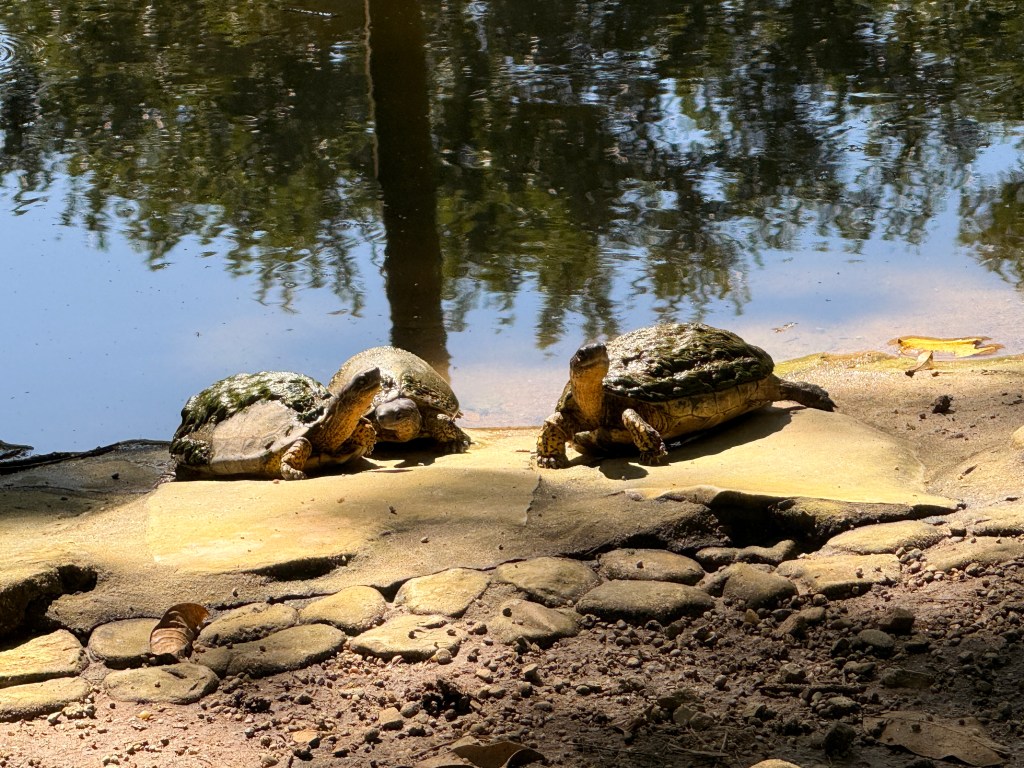
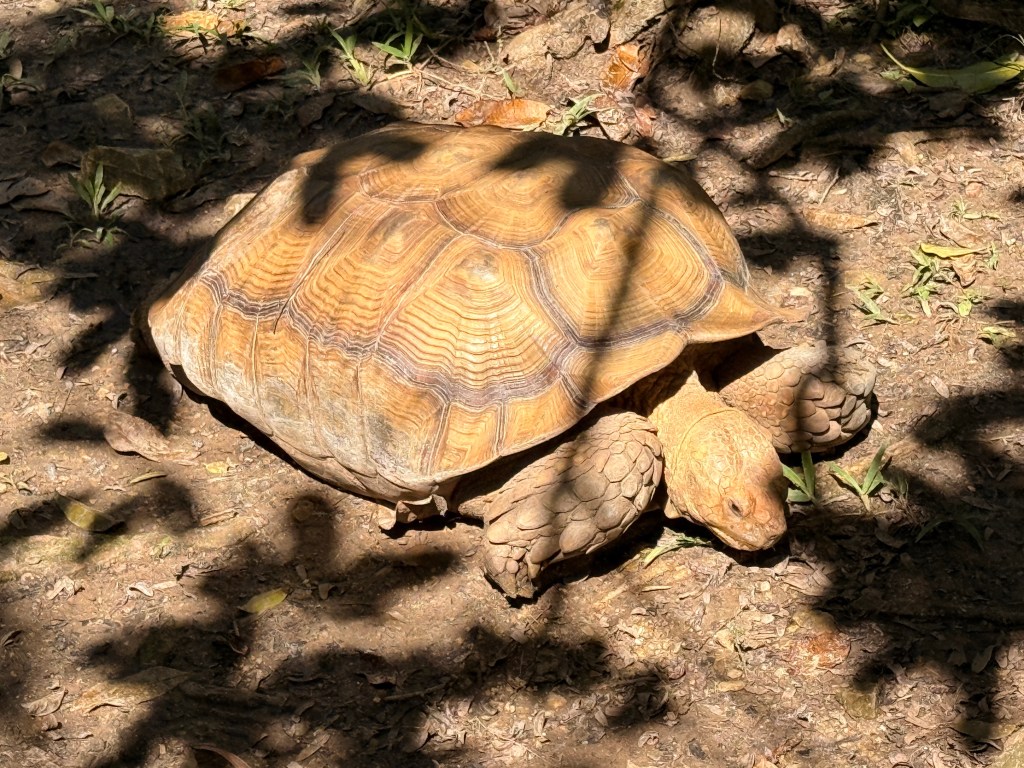
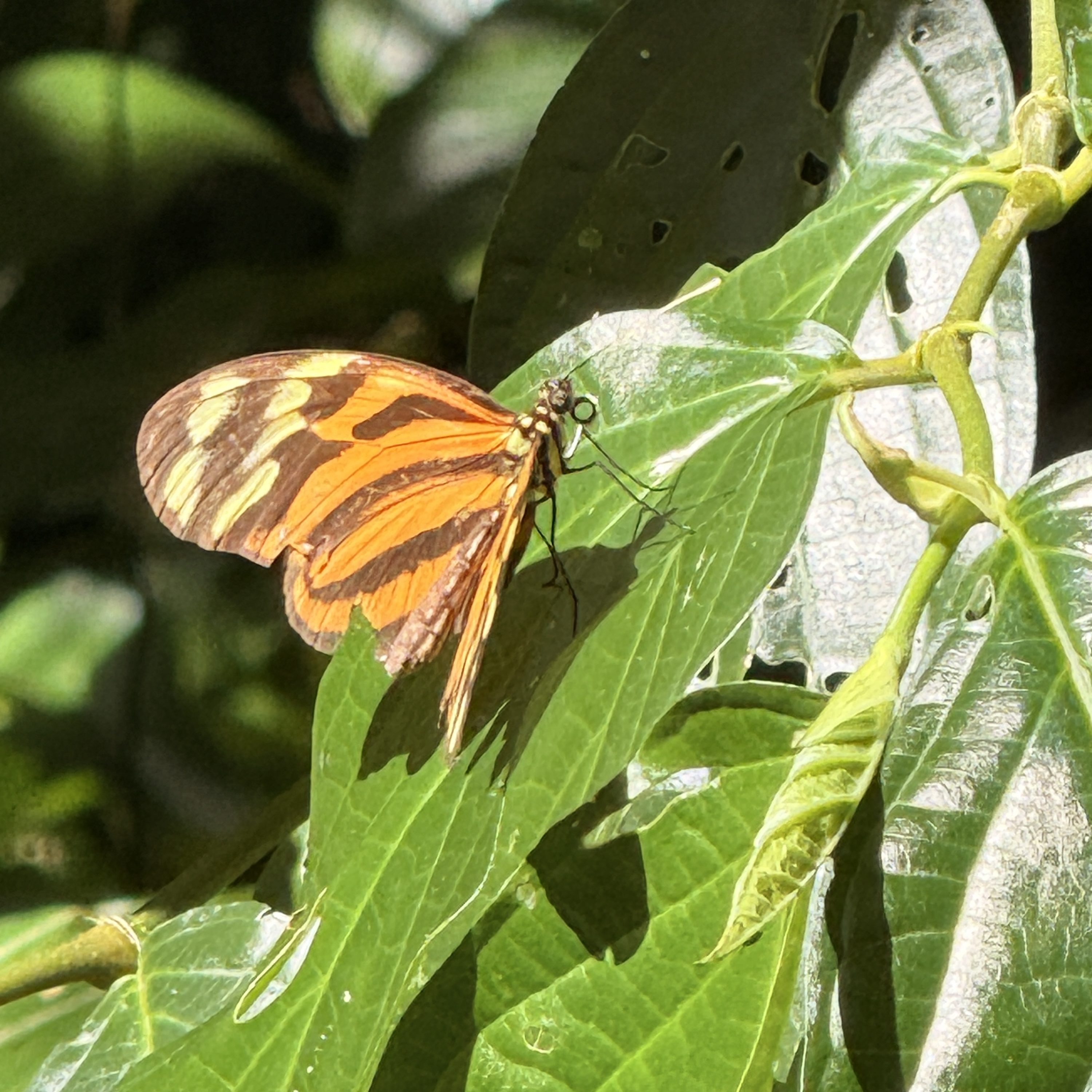
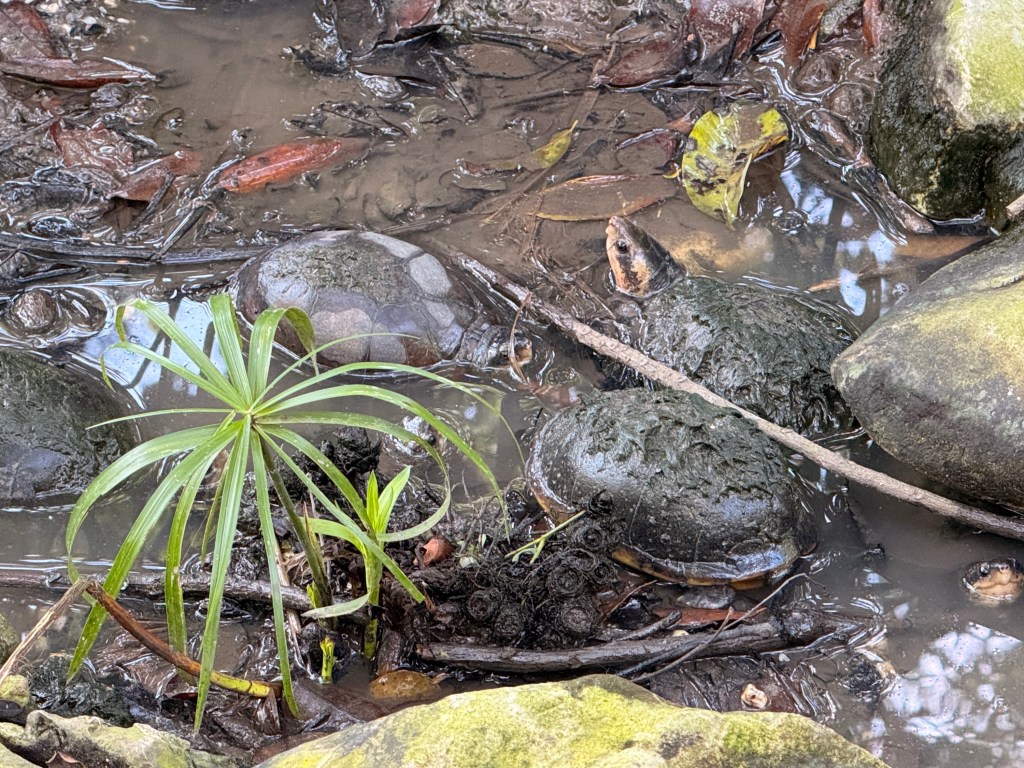

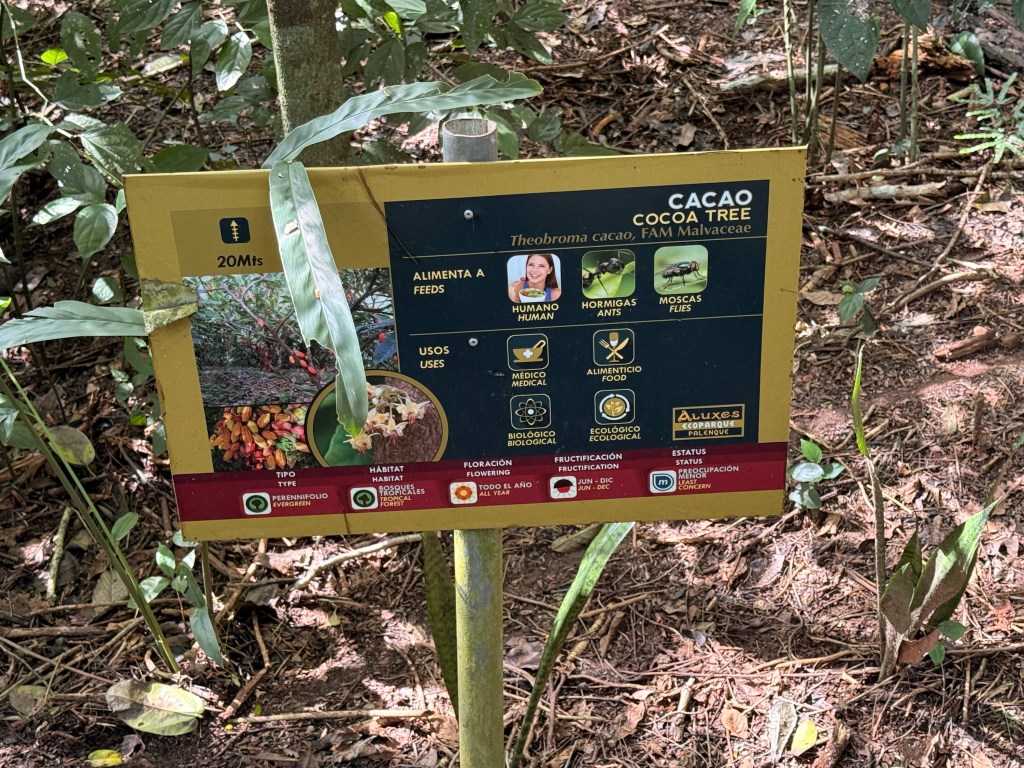
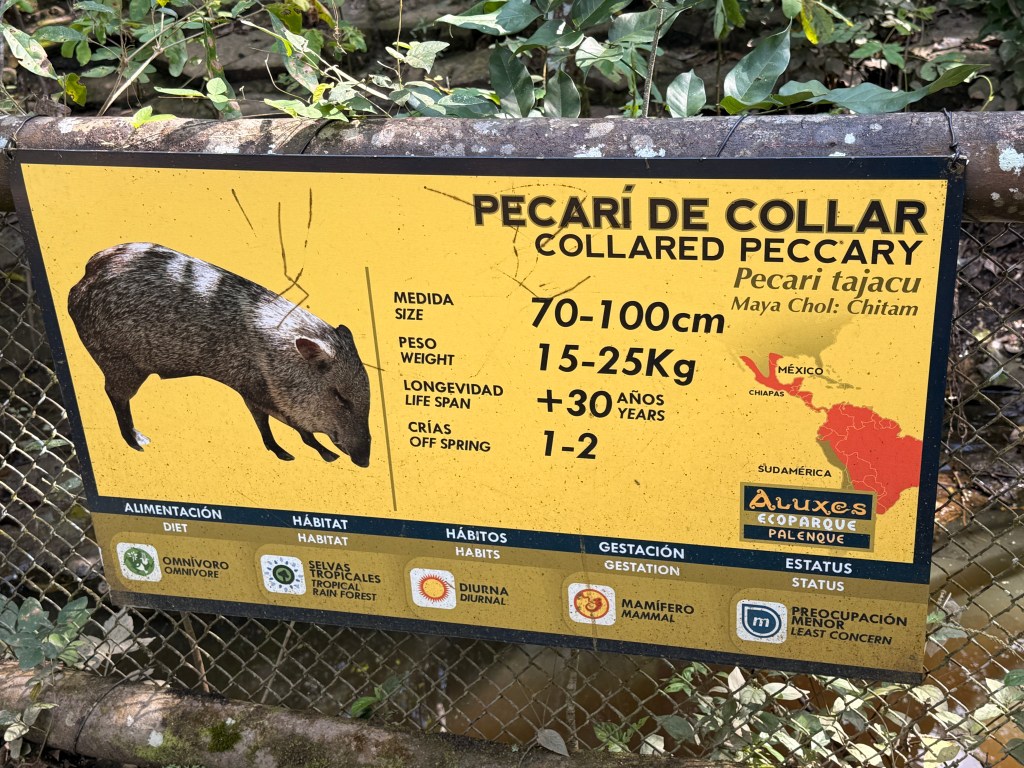
The name of Aluxes comes from the elusive Mayan sprites and spirits that inhabit these lands of Mayab. But they can also be mischievous, so we keep our voices low in this jungle cathedral to avoid provoking them. The Aluxes facility is dedicated to restoring the native habitat and the wildlife, and as part of their educational mission there are ample bilingual signs (with species names in four languages) to explain what we find along the way.
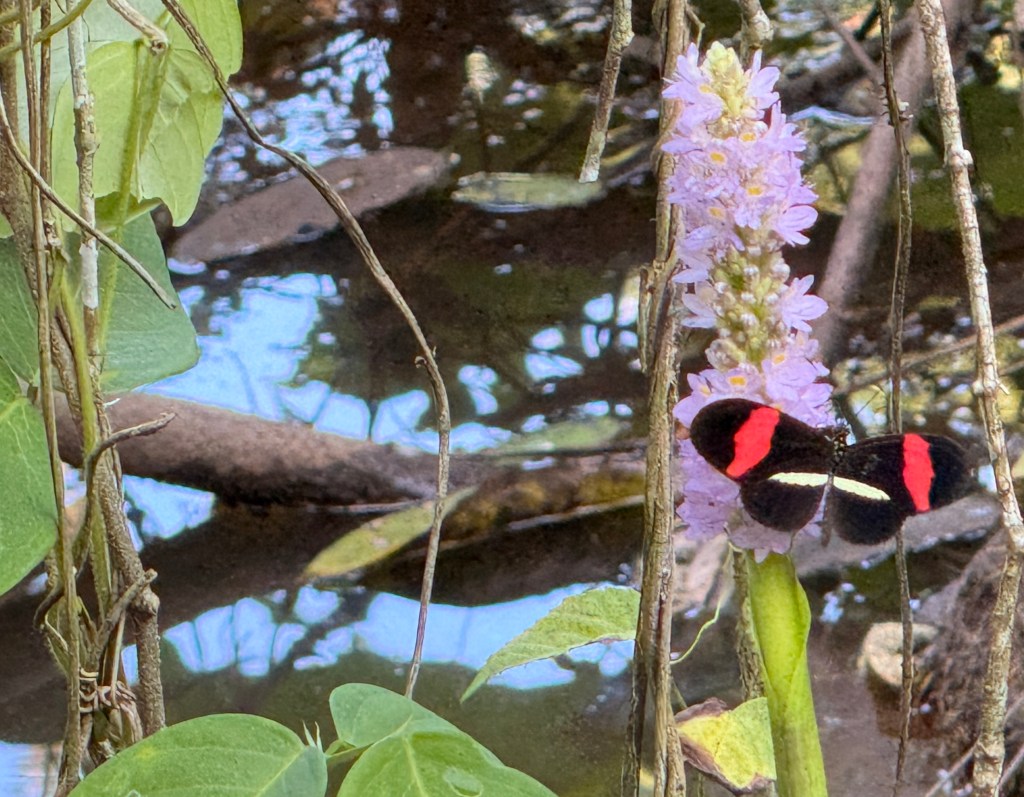
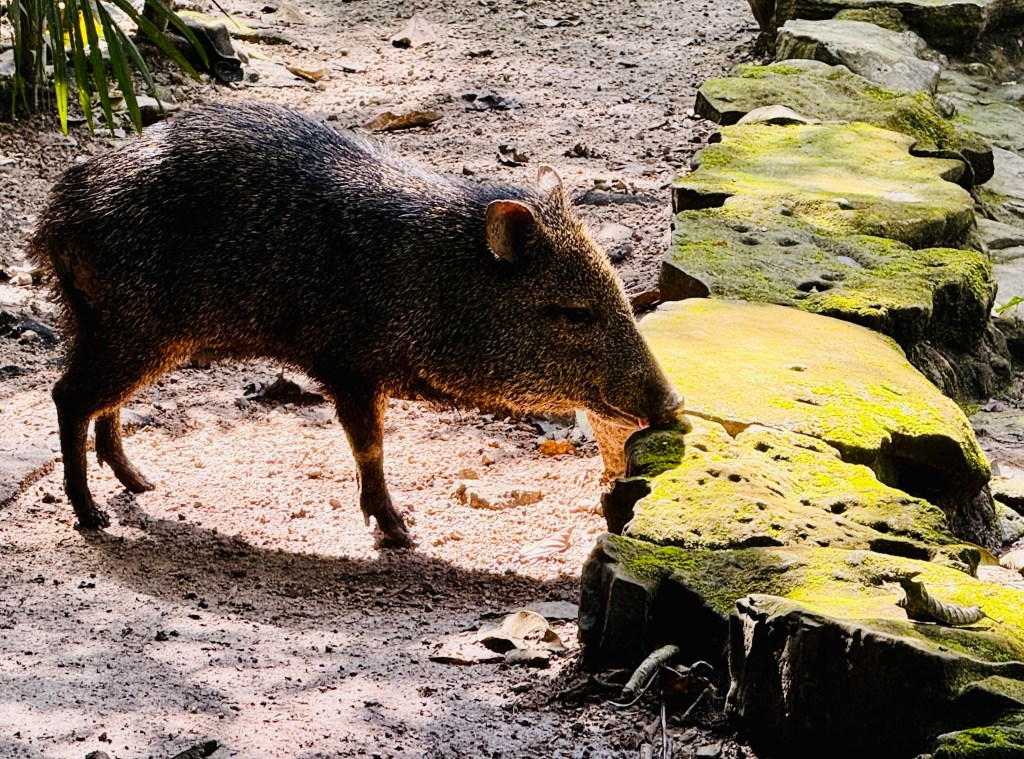
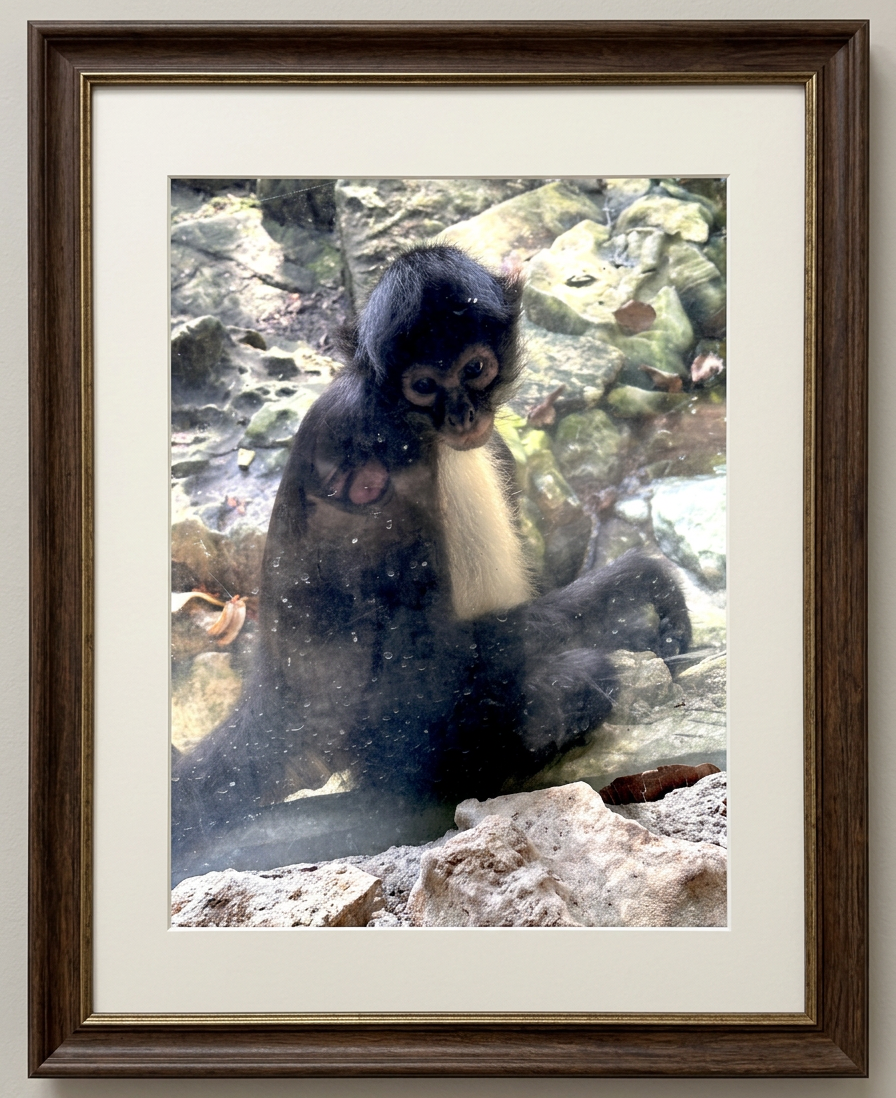
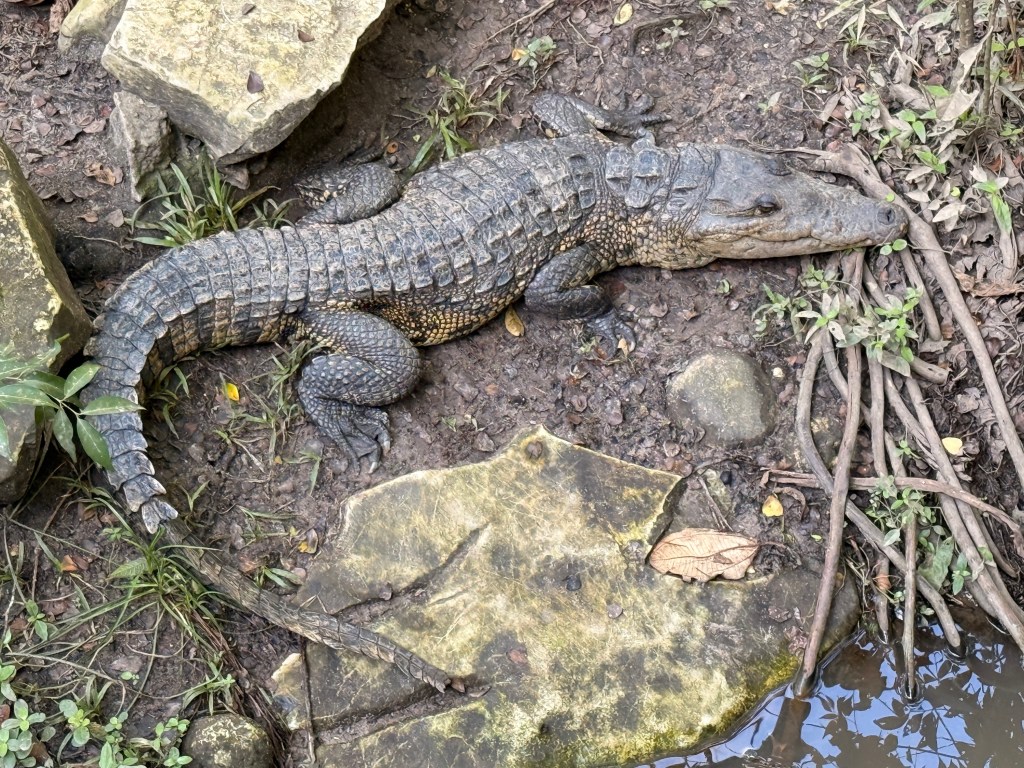
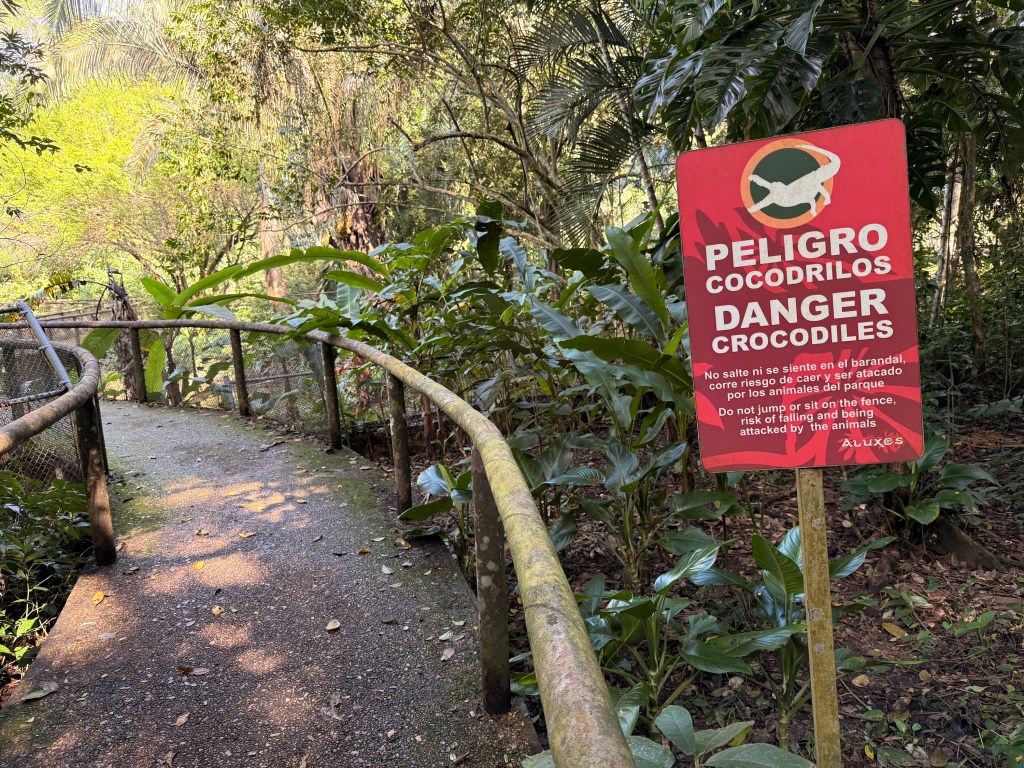
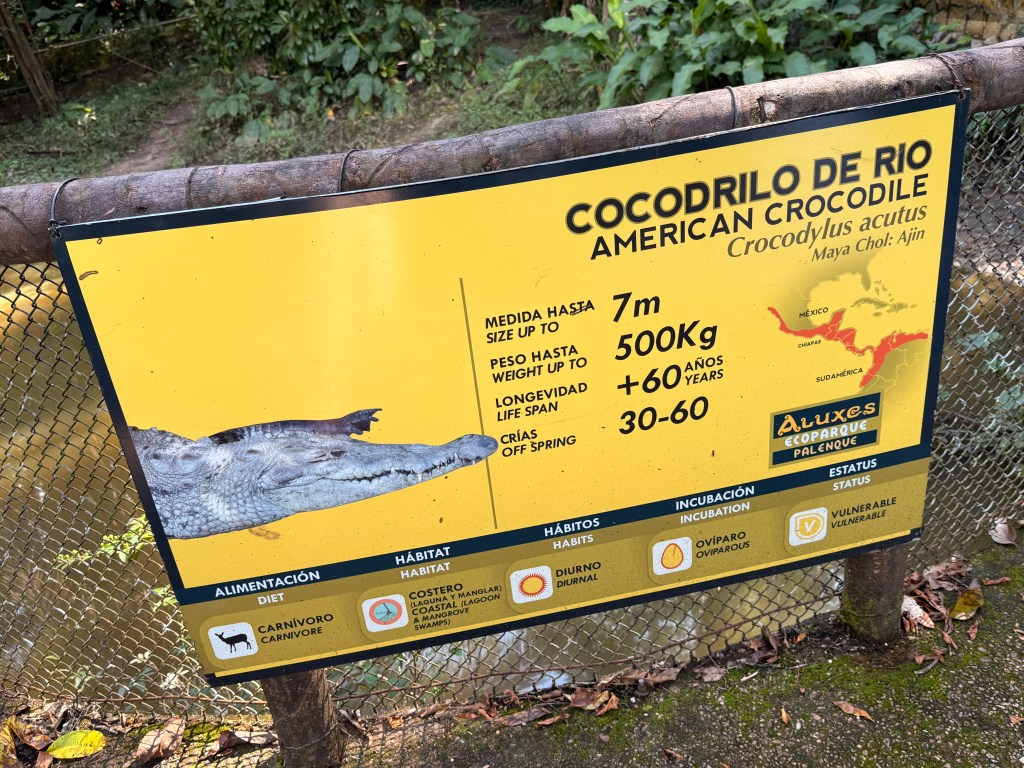
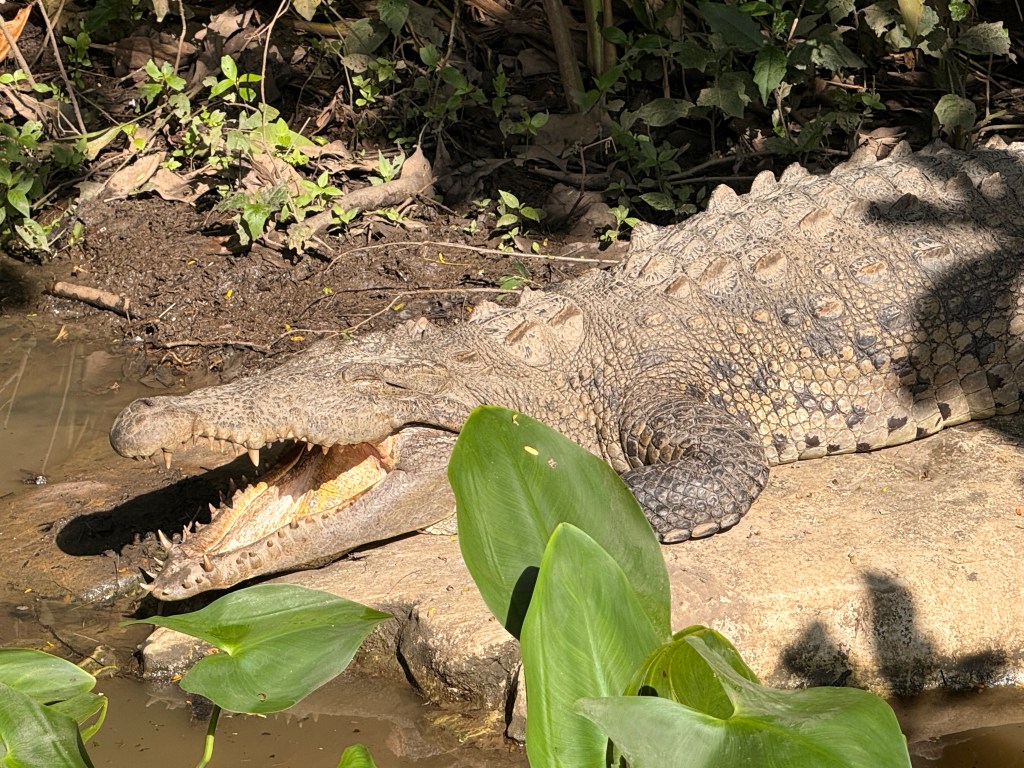
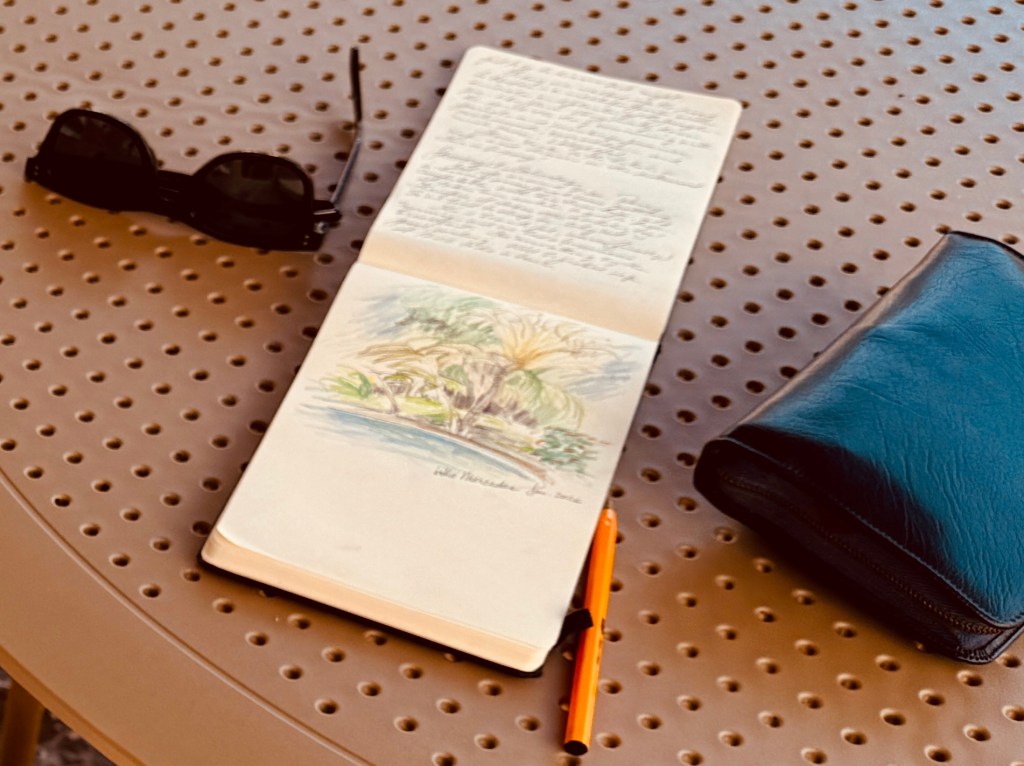
After we got back from a good afternoon walk at Aluxes, Carolyn was inspired to draw a few sketches as she relaxed by the pool before dinner.
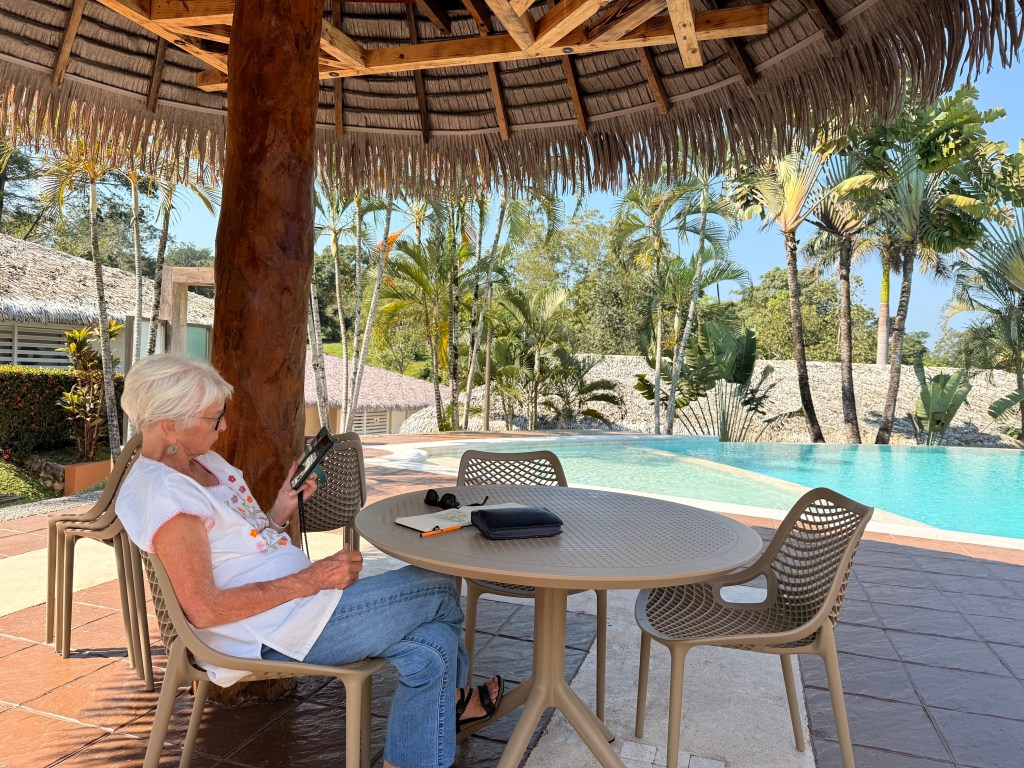
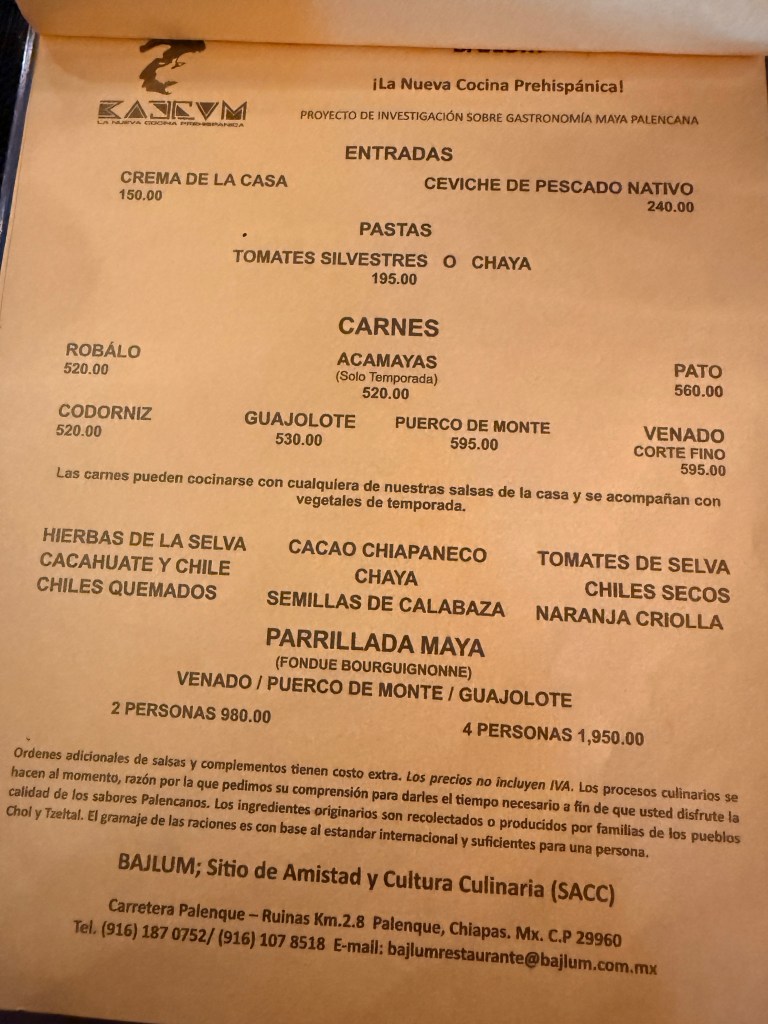
On the way to Aluxes we’d noticed a restaurant named Bajlum that features “Pre-Hispanic Fusion Food,” and the sign lists some of the local animals that we could now enjoy on a plate for dinner. It’s what people ate around here for thousands of years before they were ‘civilized’ by the kindly Spaniards.
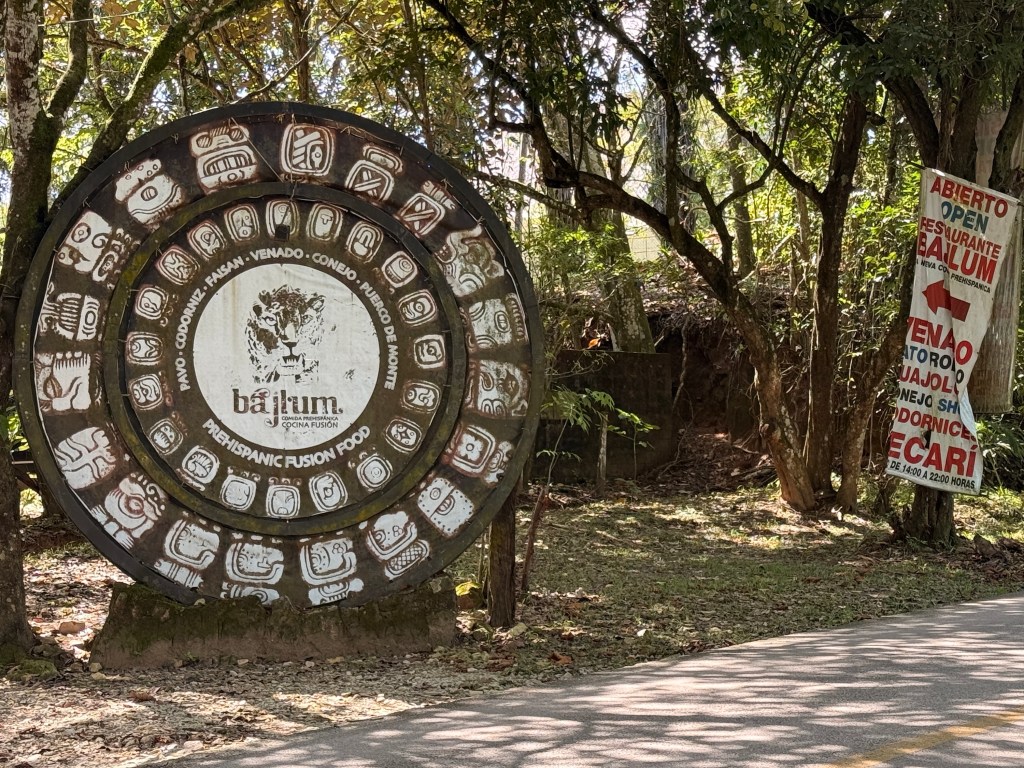
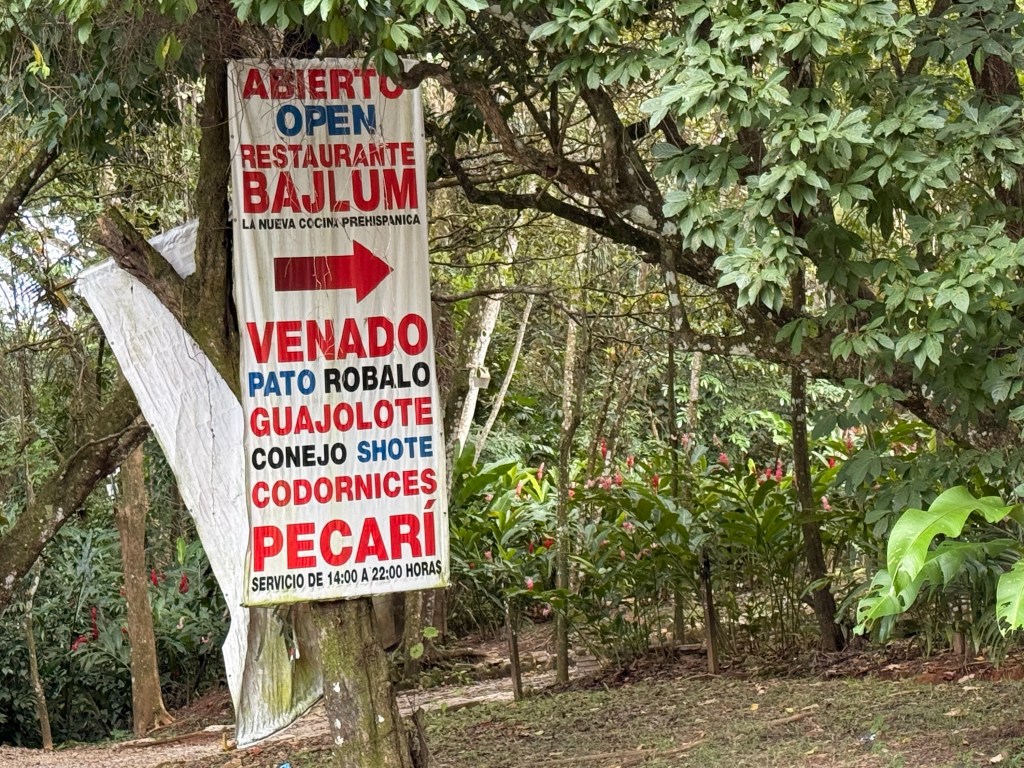
And aren’t we a picky lot; we eat certain kinds of animals while we draw firm lines to exclude others! For public health reasons, we should allow hunters to harvest more of the deer over-population and then sell that meat on the open market, since we’ve annihilated so many of the predators that used to keep things in balance. But I don’t want to kill off Bambi’s daddy myself, so enough with the sermonizing.
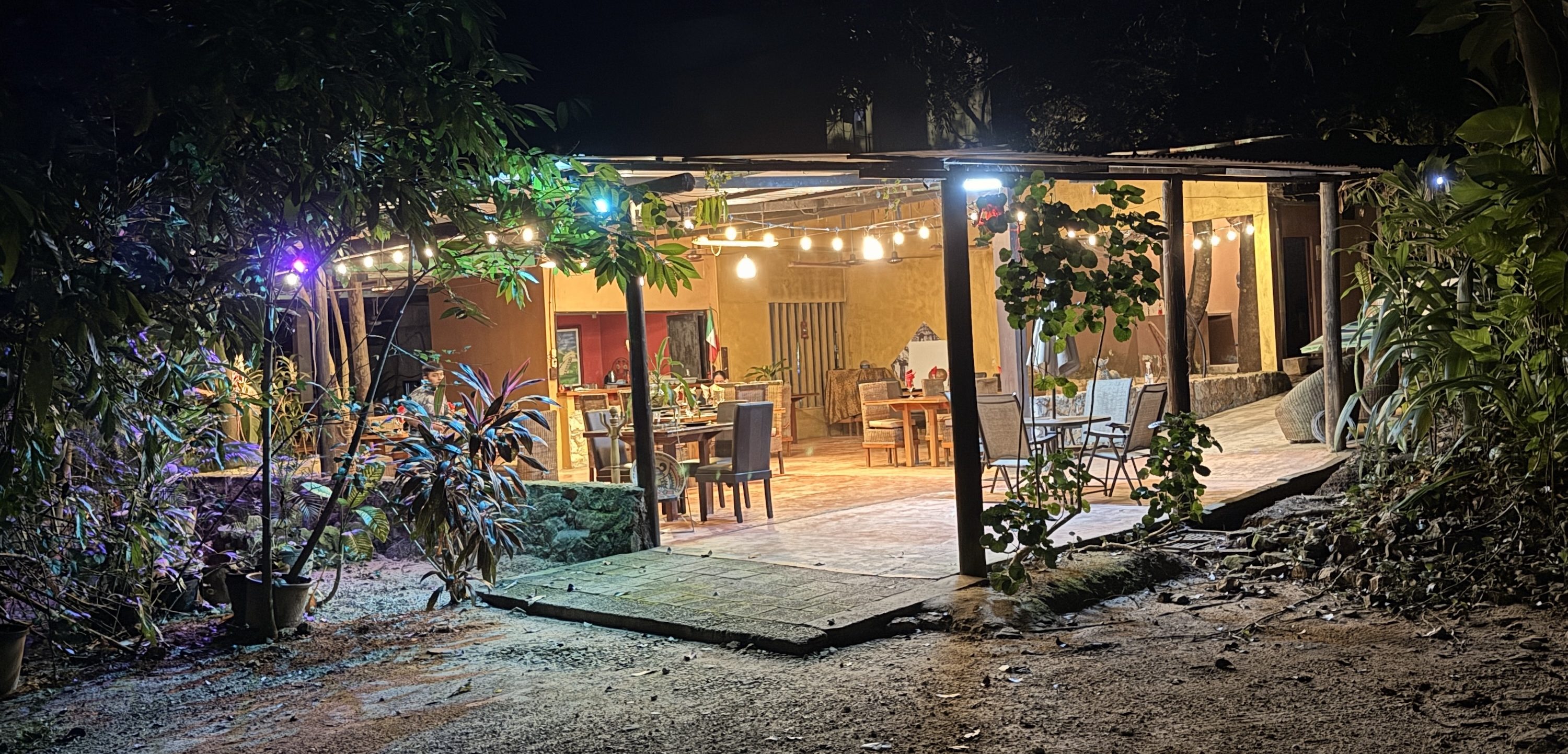
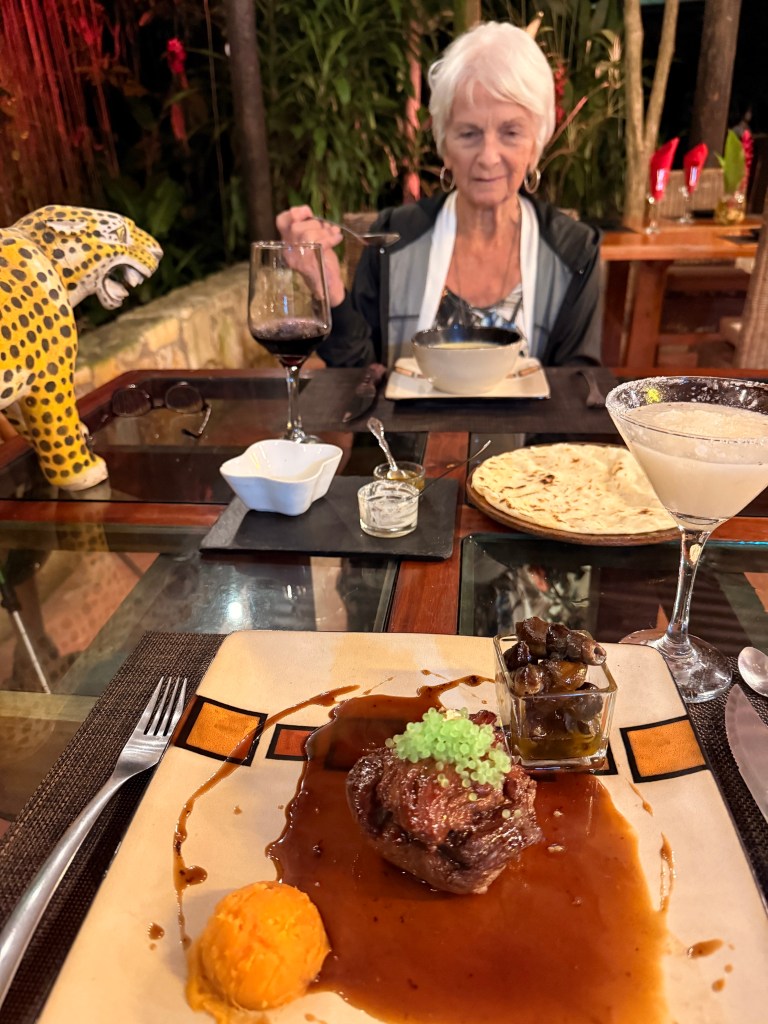
As night fell across the jungle, we were ready to indulge in the ancient Mayan lifestyle – especially if it came with a cold mezcal margarita on the side! So we followed the pathway toward a sweet little open-air dining spot and studied the menu, which includes turkey, quail, pheasant, deer, rabbit, and wild boar. But at least we weren’t offered monkeys, parrots, snakes, crocodiles, turtles, or jaguars! I chose the wild boar, Carolyn got the crema de la casa, and we shared our meals. It was delicious.
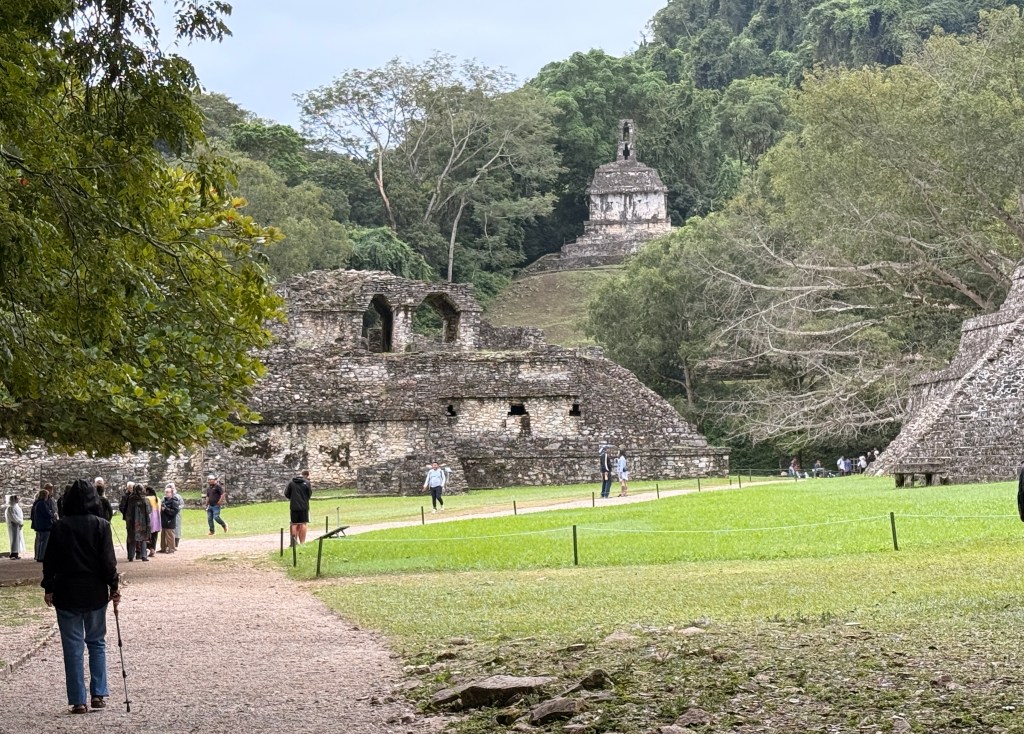
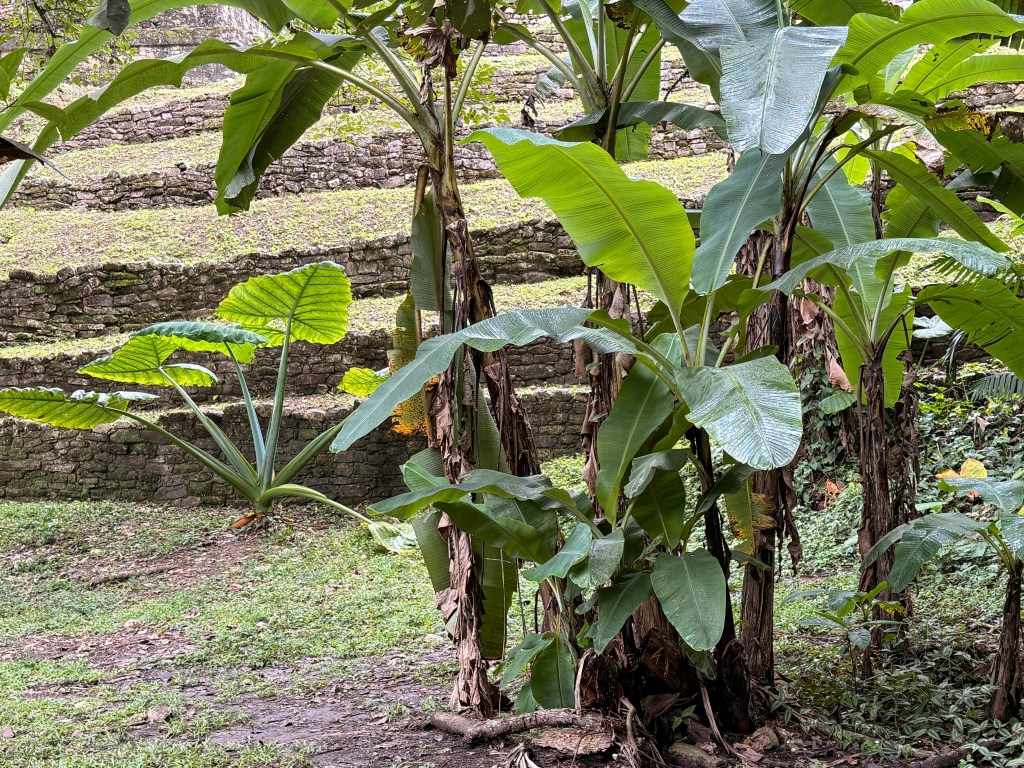
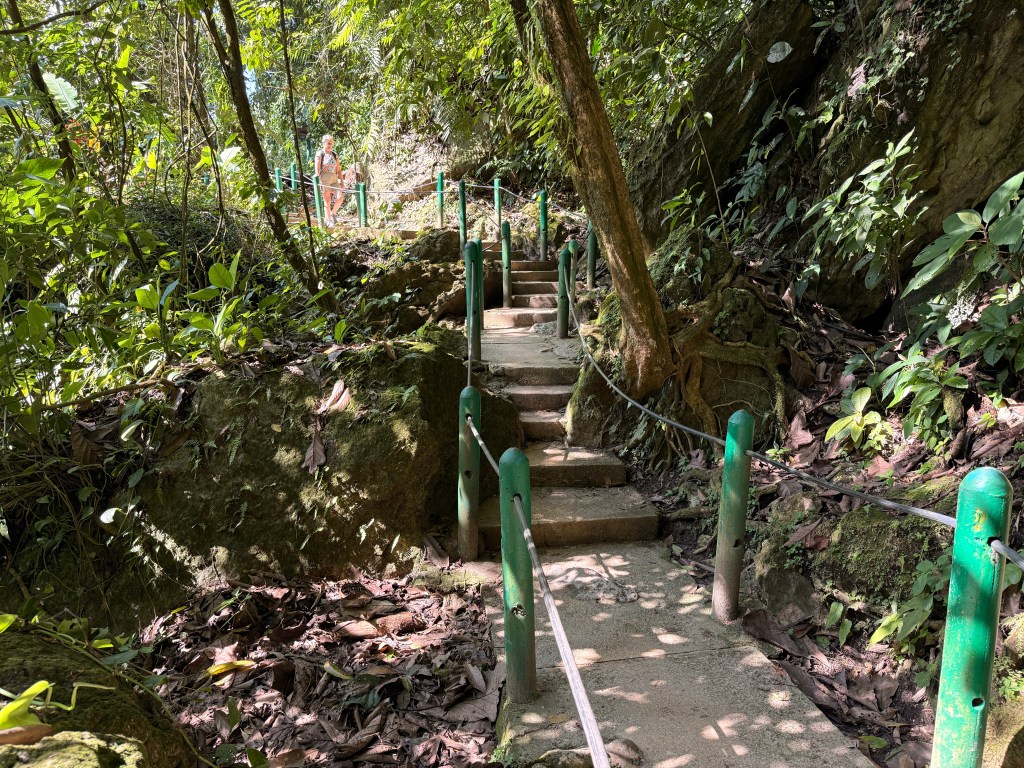
On the following morning it was time to revisit the famous ruins which are about 5km uphill from our hotel, so we took a local combi to the entryway. It’s been awhile since our last visit, and the ruins at Palenque are still as fascinating as they were back then. This is the essential ruins-in-a-jungle experience in the Yucatán. You get the impression that if the grounds crew took a few days off, the jungle might engulf it all again. In fact, there are back trails that are more primitive and where you can still get that amazing experience.


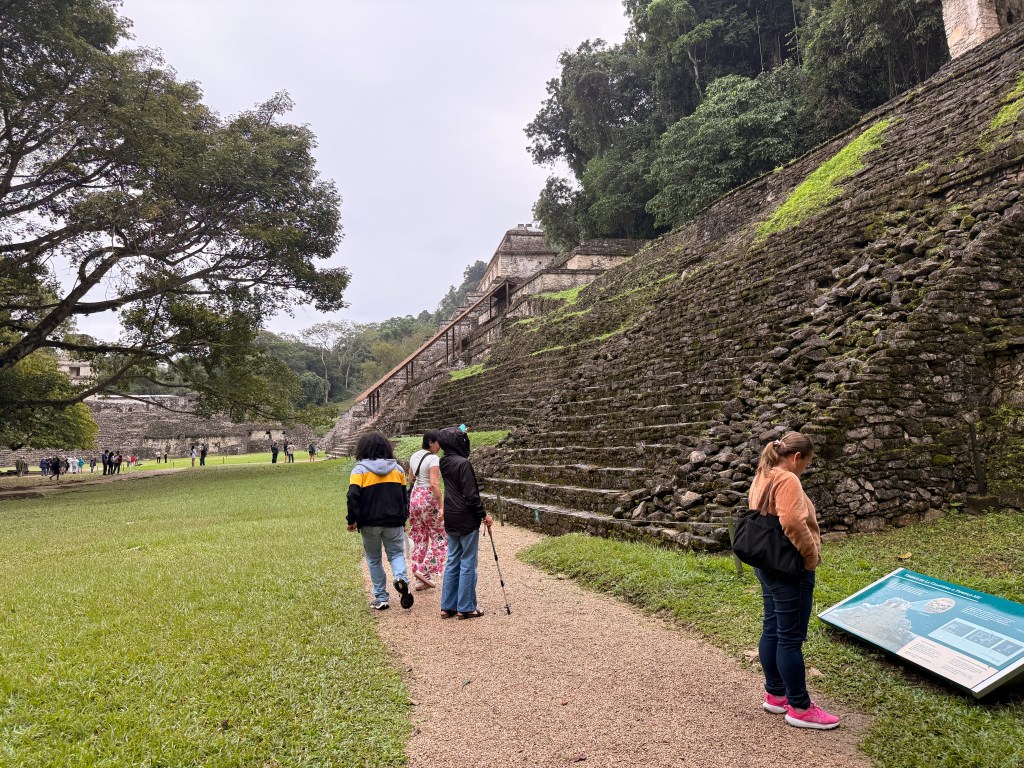

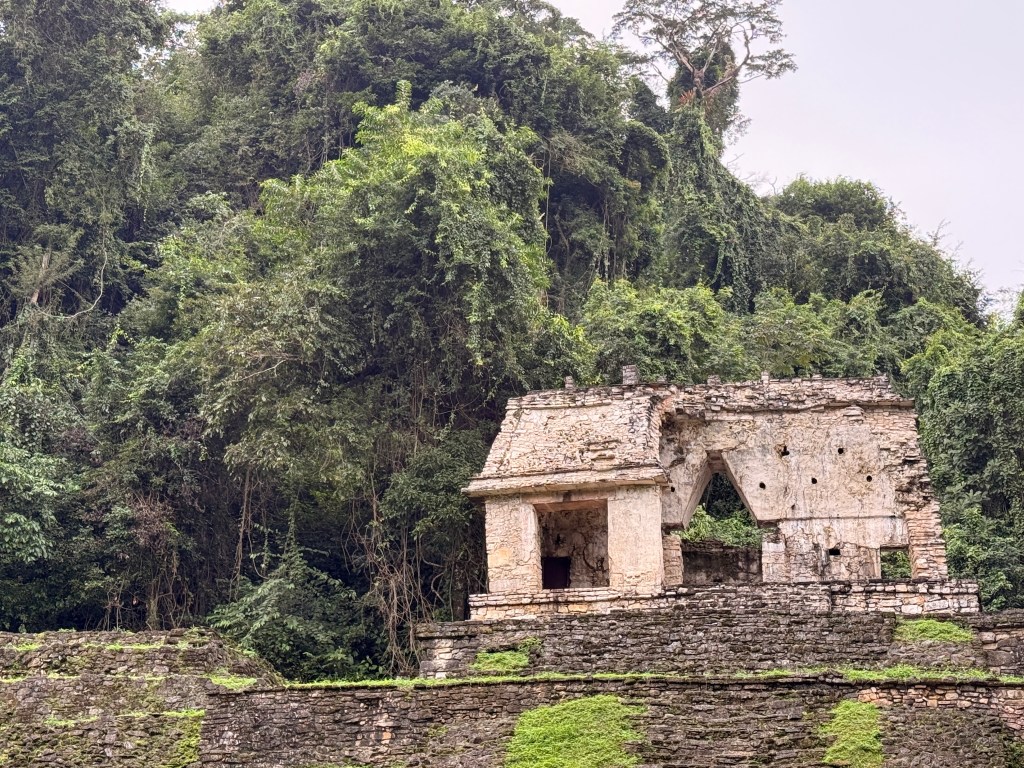
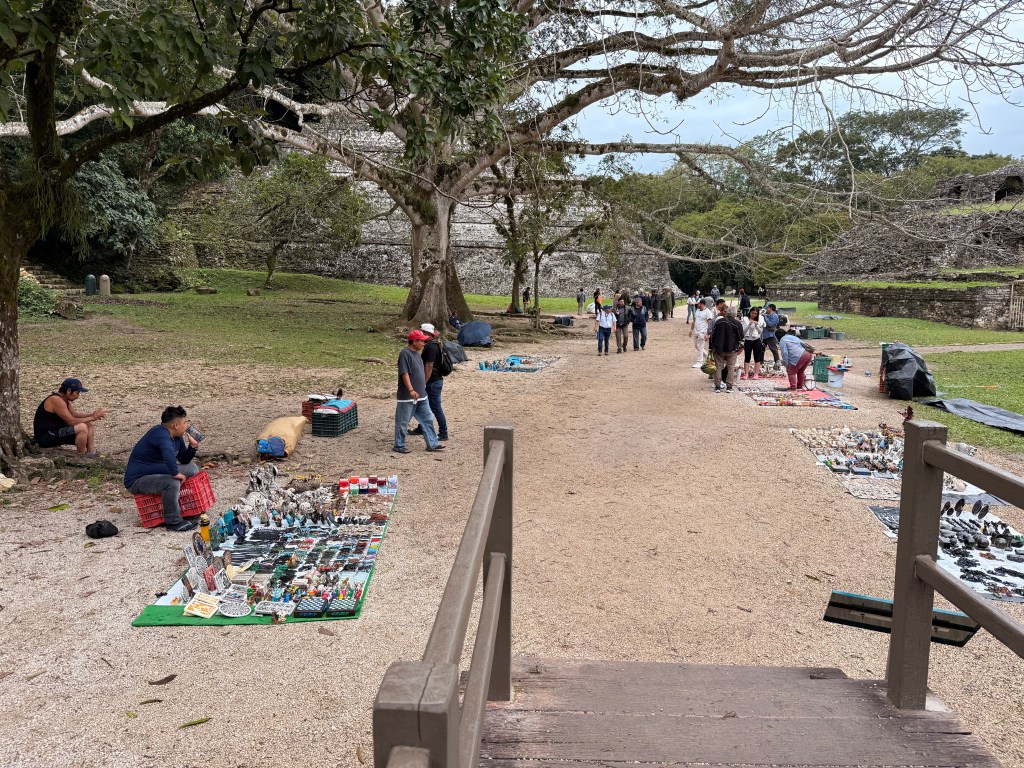
The ruins are about four times older than the US, and date from about 226 BC to 799 AD. And now there are Mayan craftspeople selling wares along the pathway, probably similar to the way people lived here during Palenque’s Classical era. These elaborate palaces were abandoned sometime after the year 800 AD, and the area was sparsely populated when the Spanish arrived in the 1520s. The town of Palenque was founded in 1567, and the ruins were not re-discovered for another 200 years after that. And for me, the mystery of this hidden city in the jungle makes the ruins at Palenque one of the more fascinating sites throughout the area.



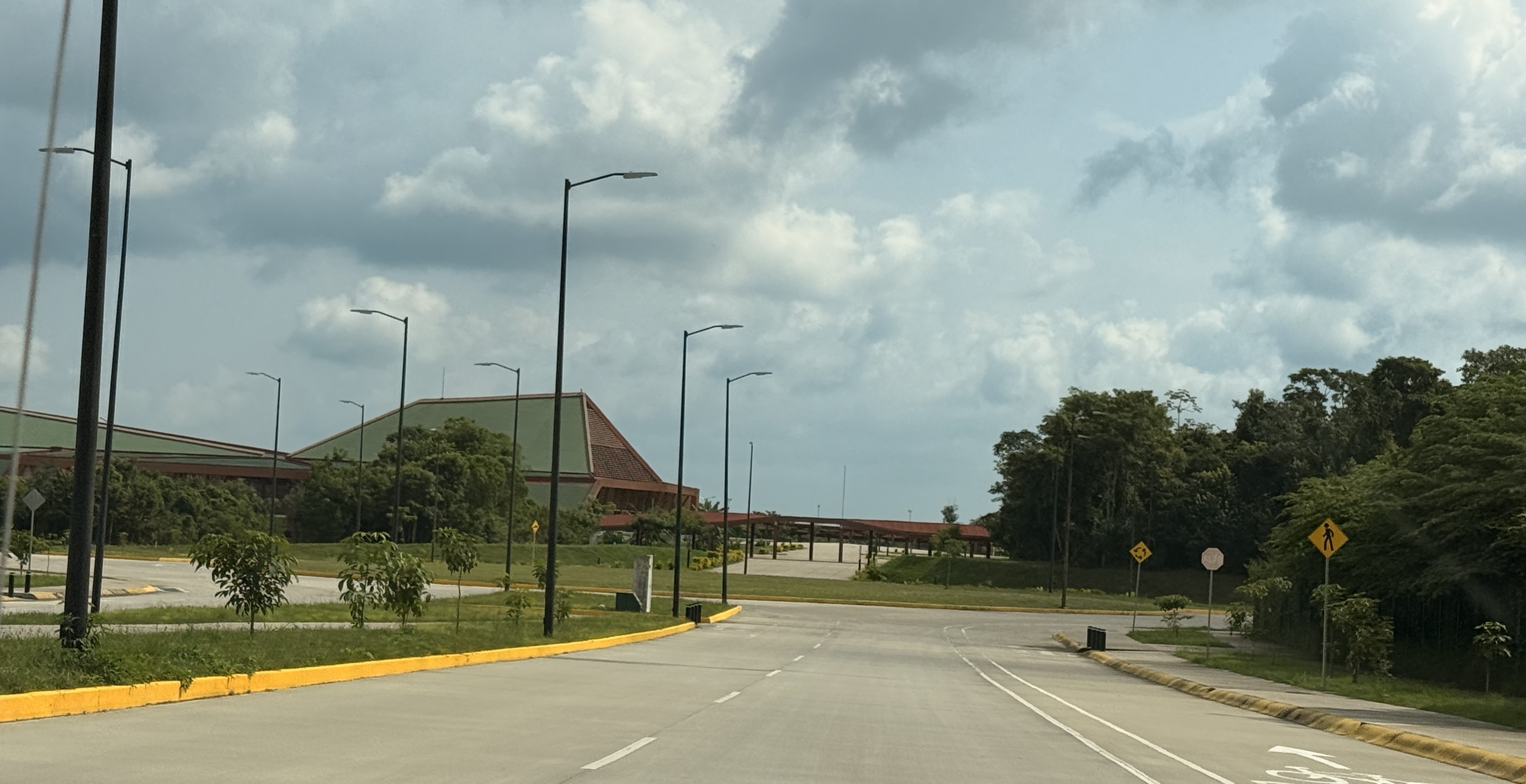
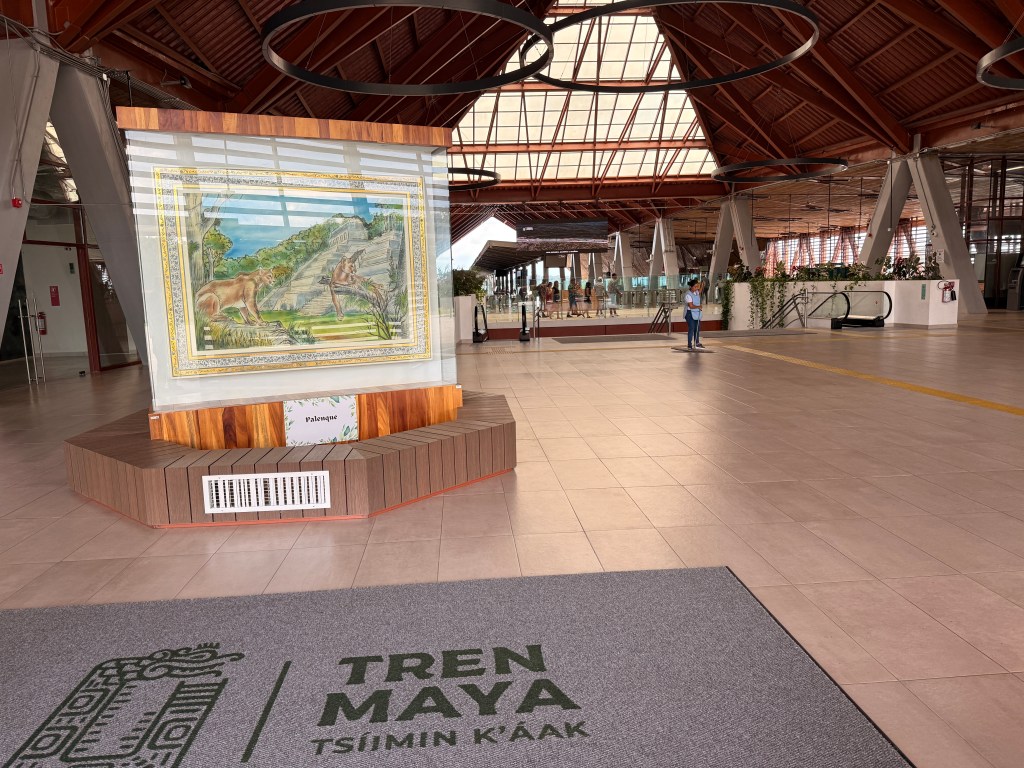
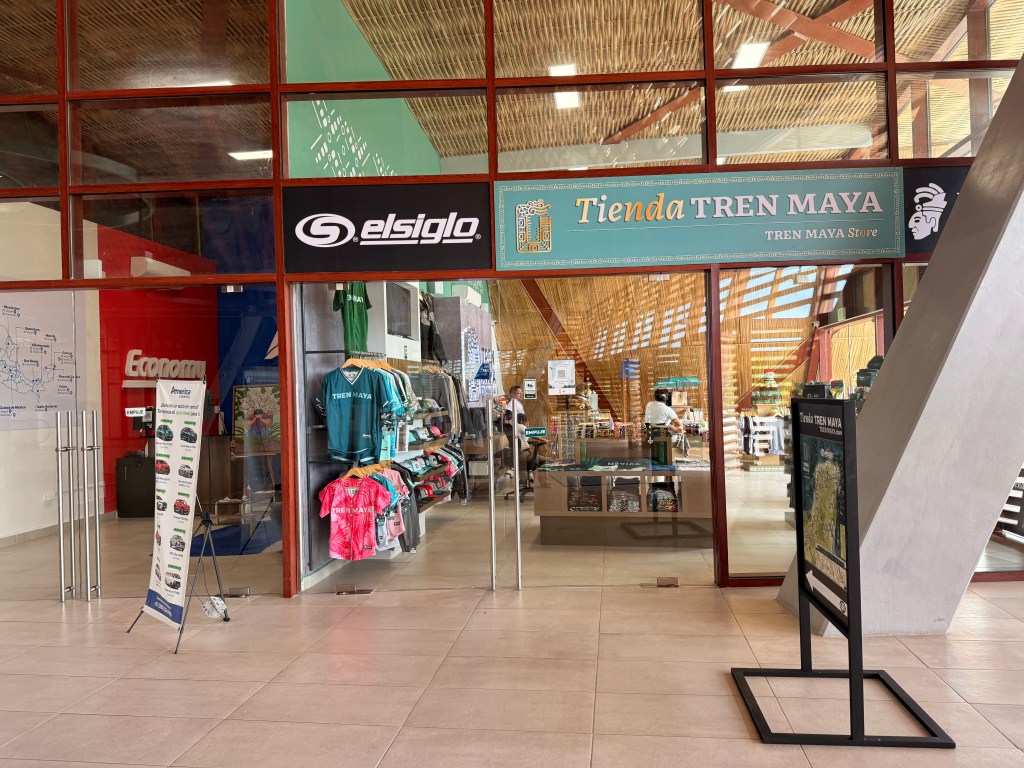
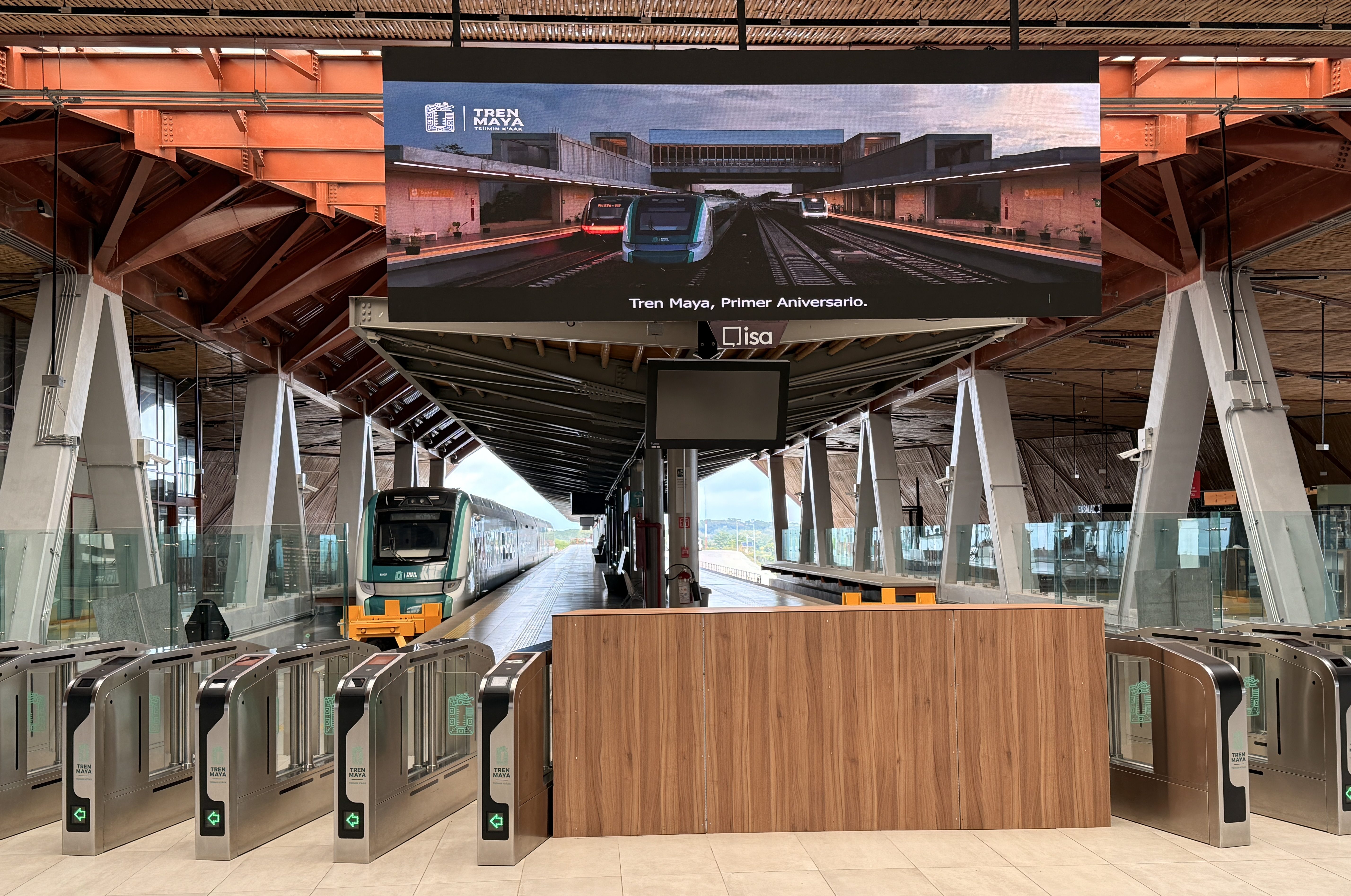
We like to get our outbound arrangements taken care of early, so the next day we take a taxi ride across town to get tickets at the brand new Tren Maya station. And it’s a more imposing structure than we had expected. The Mexican government is seriously pushing this new rail connection between all the major tourism areas of the Yucatán, and every village along the way. We enjoy travel by train and will be looking forward to boarding this new one in just a few days.
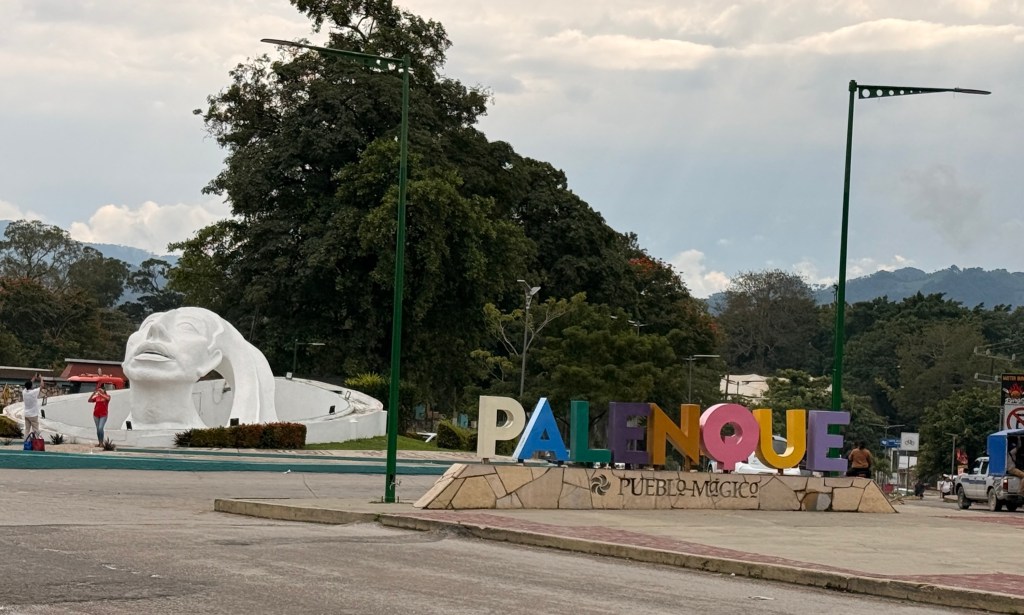
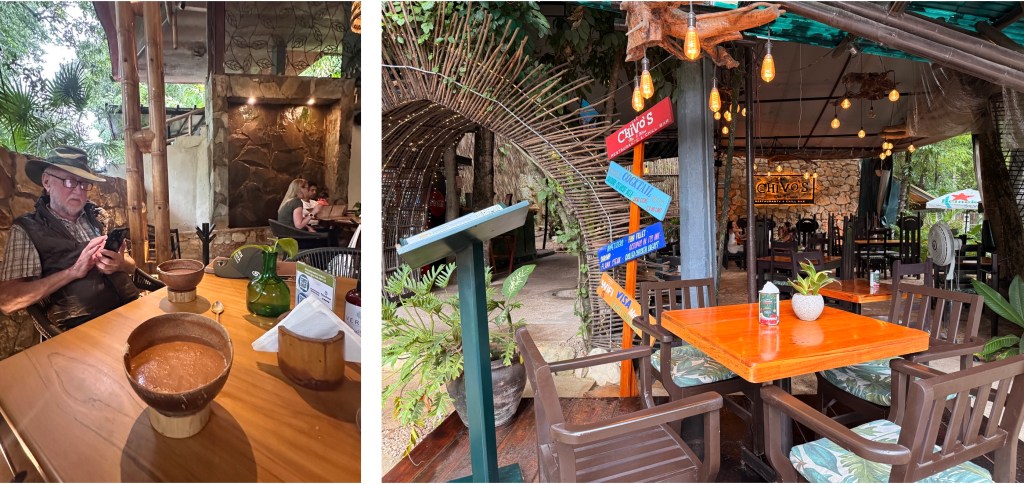
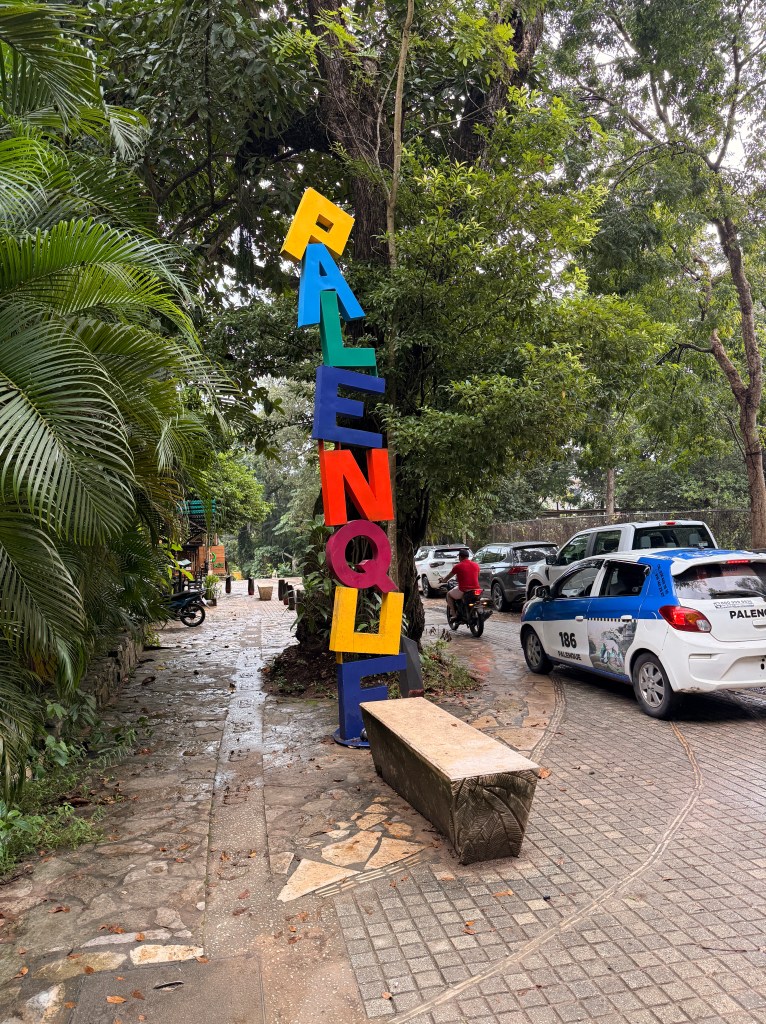
With Tren Maya tickets now in our pockets, we have the taxi driver drop us off in the town of Palenque itself for a look around. It’s a rainy day and the town is mostly uninteresting; but the forested Avenida la Cañada, branching off the main road at the big roundabout, looks like the right place for good drink and dining. We duck out of a downpour into the open-air Cafe Jade for hot bowls of soup as the rain pounds on the palapa roof overhead.

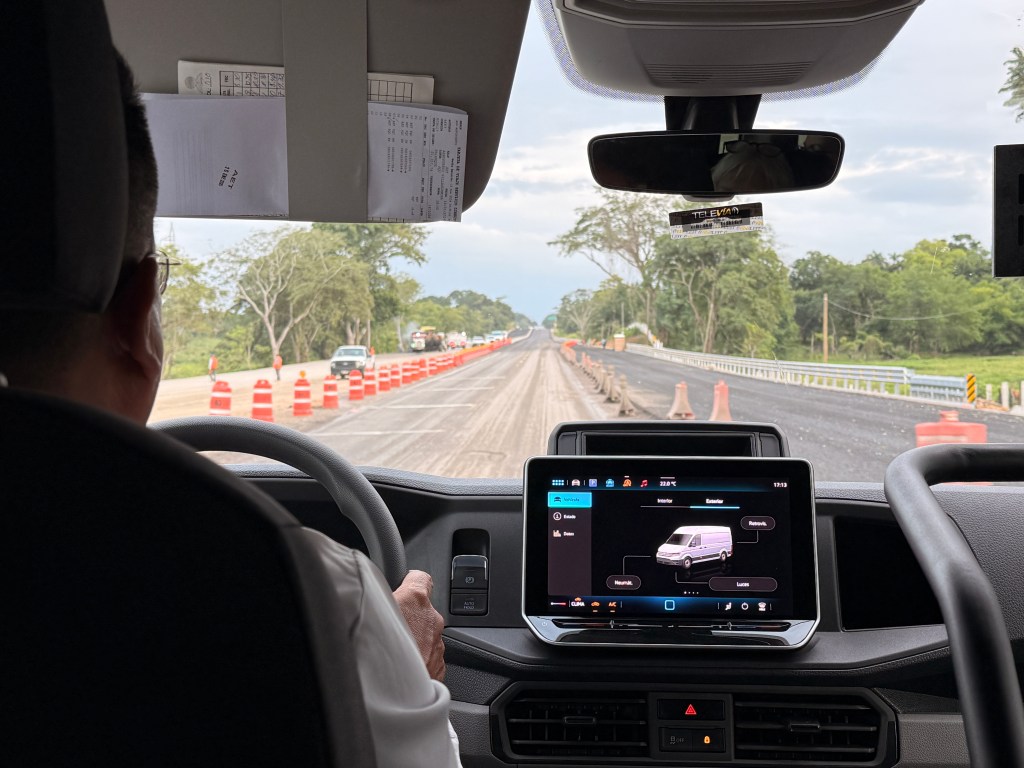
We sign on for a day trip deep into the dense Lacandón jungle, and we’ll finally visit the beautiful falls at Misol Ha and Agua Azul that we’ve heard much about in the past. The narrow road follows a curving landscape through tiny villages, and the bus has a swaying motion that seems in rhythm with the ancient towering forest around us. The quiet lifestyle, and the wilderness that shelters it, seem endless.
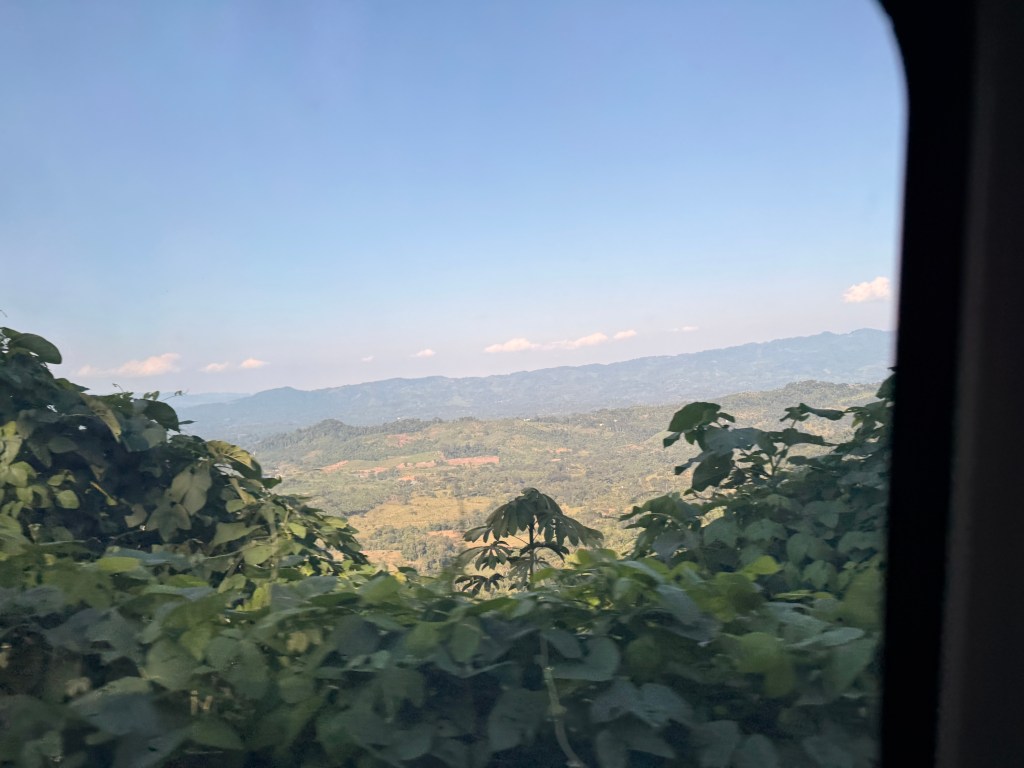
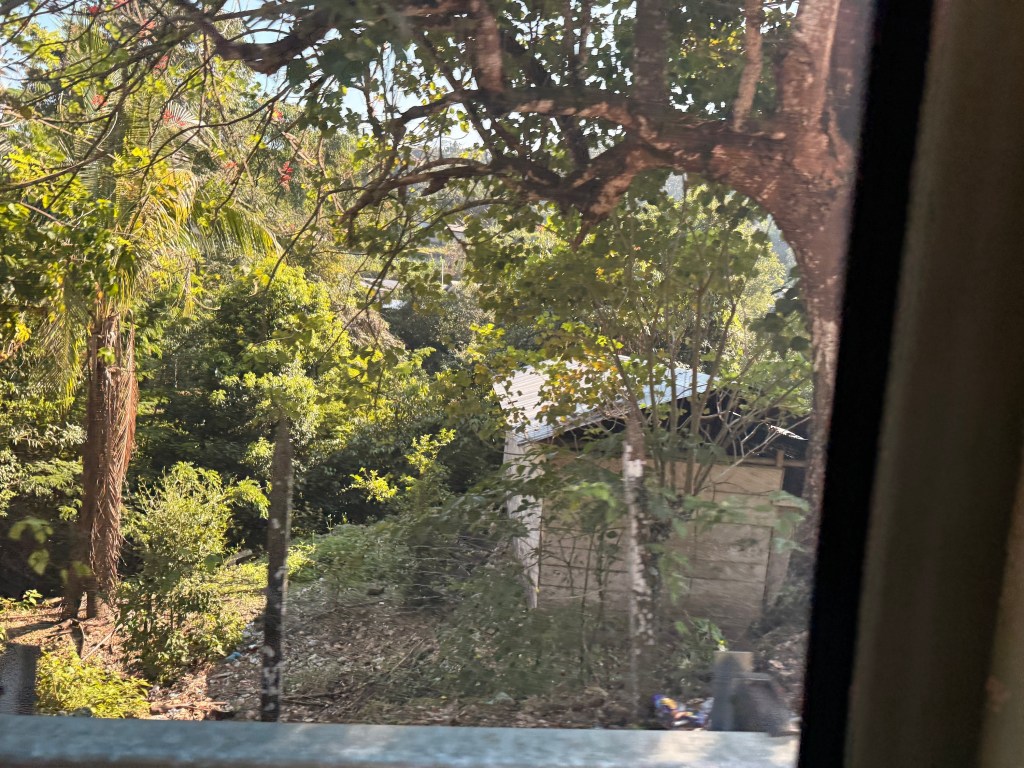
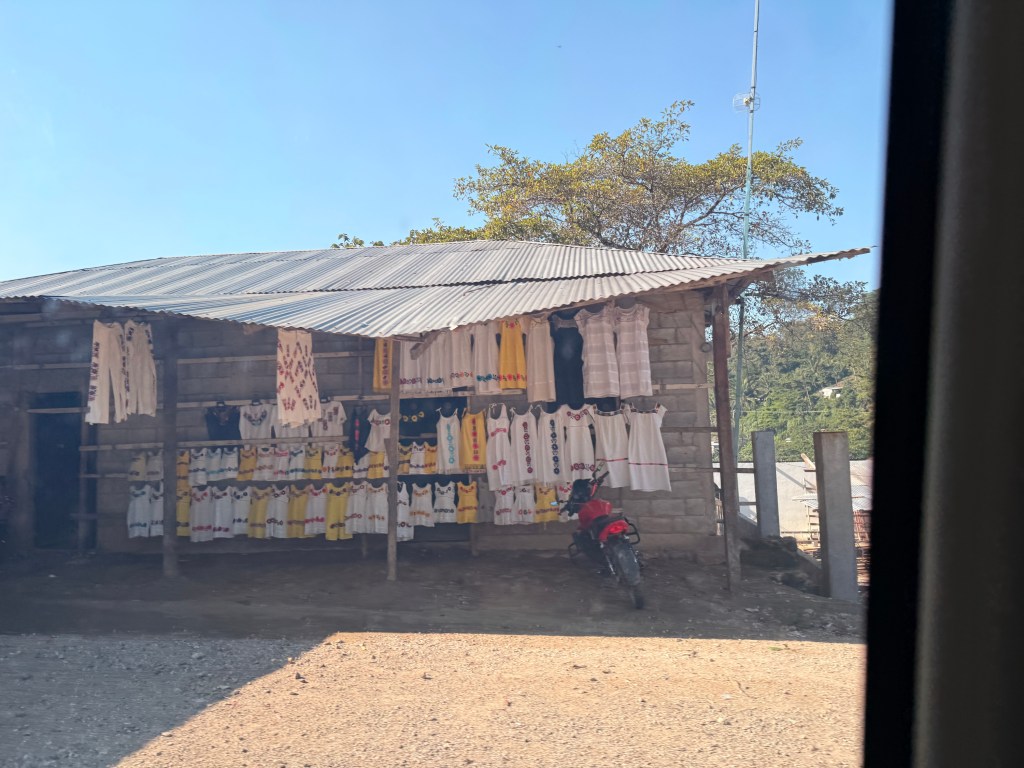
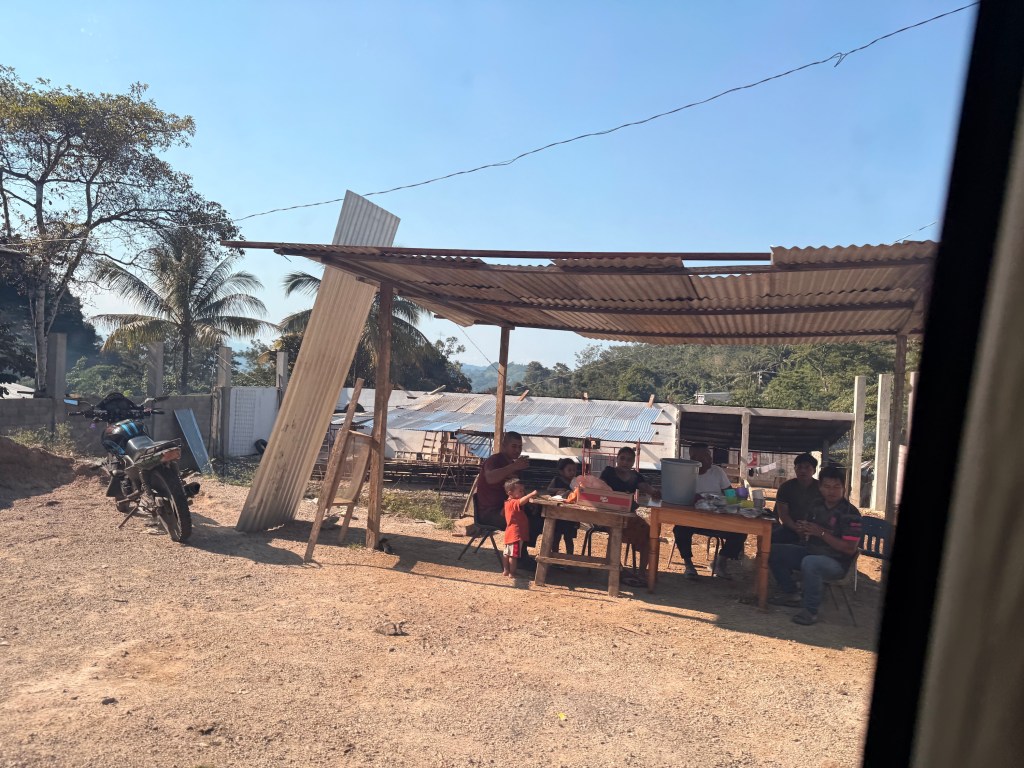
Then we come upon an army of huge trucks and heavy machinery slashing through these ancient hills in a massive road-building project that cuts a new route directly through the forest. This is a major new highway that, after 20 years of delays, will connect Palenque and the new Tren Maya station more directly to San Cristobal de las Casas. There are still protests against this new highway from traditional villagers, and allegations that the recent vote of approval was rigged. But this is clearly a major project, and the sudden industrial brutality of it brings us back from our fantasies of a vast and hidden tropical redoubt, and into the realities of modern life.
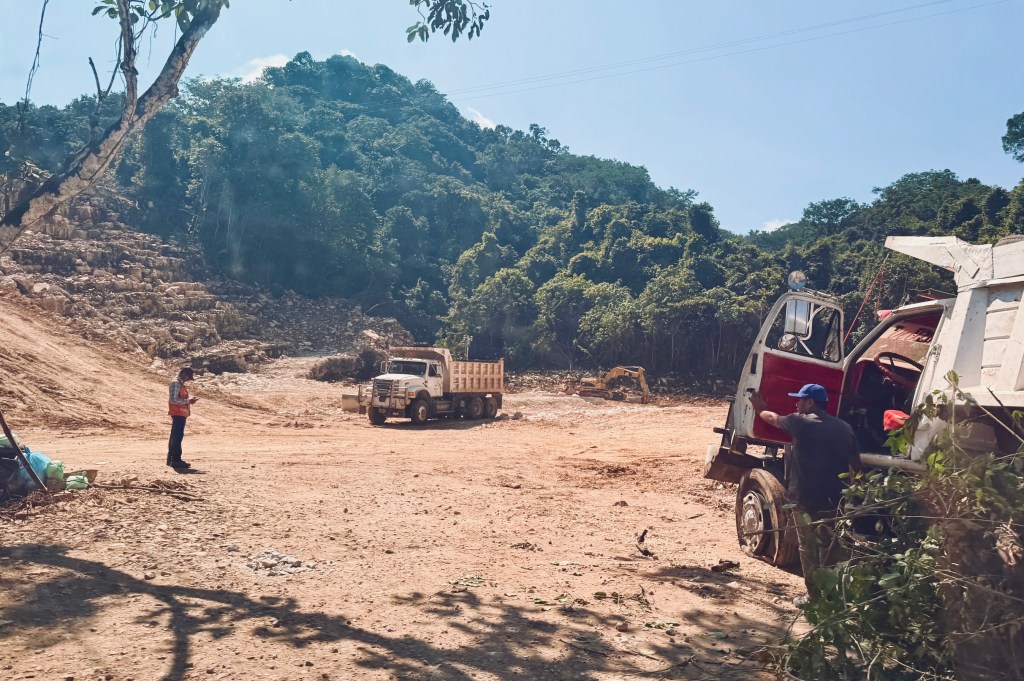
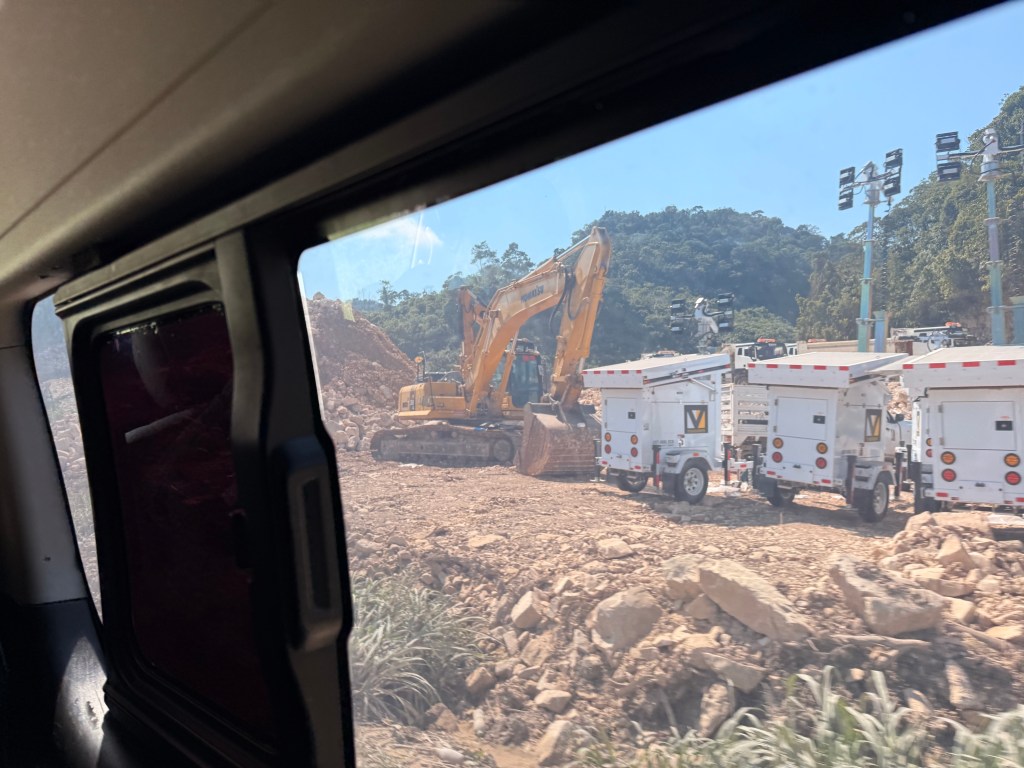
This new road is part of a larger plan by the Mexican government to connect important archeological sites throughout the Yucatán and bring economic prosperity to these southern states. According to the Chiapas state government site, it will remain a mostly two-lane road, but straighter and wider, with an extra truck lane on long uphill grades and runouts to allow for brake failures on the downgrades. It is expected to reduce travel time between Palenque and San Cristobal by several hours, and provide access to villages along the way. According to reports, there is support among tourism business interests, and although funding for the complete project still appears to be unclear, it’s now well underway.
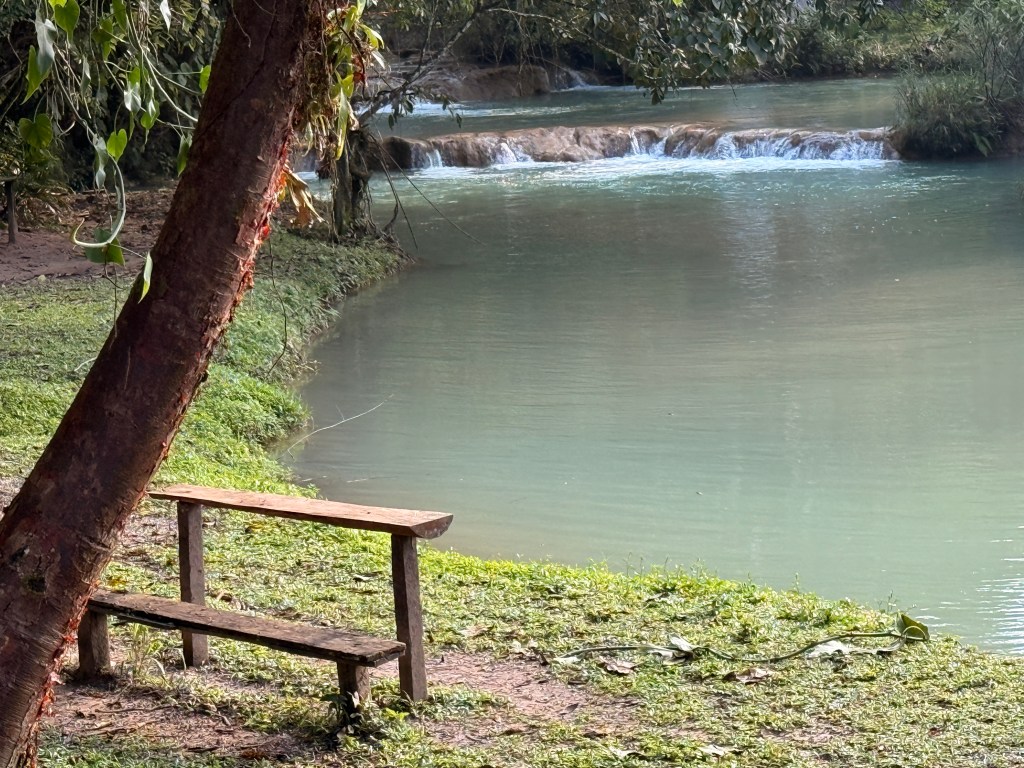
We leave the butchered landscape behind, returning to the sanctity of the jungle and the tall lacy falls at Misol Ha. And it’s a beautiful sight as it spills into a large pool in the jungle. There’s a tenuous pathway for getting closer to the falls, but it seems an ill-advised challenge for my recently-acquired knee replacement. So I stay behind to avoid that extra joy of being drenched behind the falls. I’ll just absorb the view from across the river.

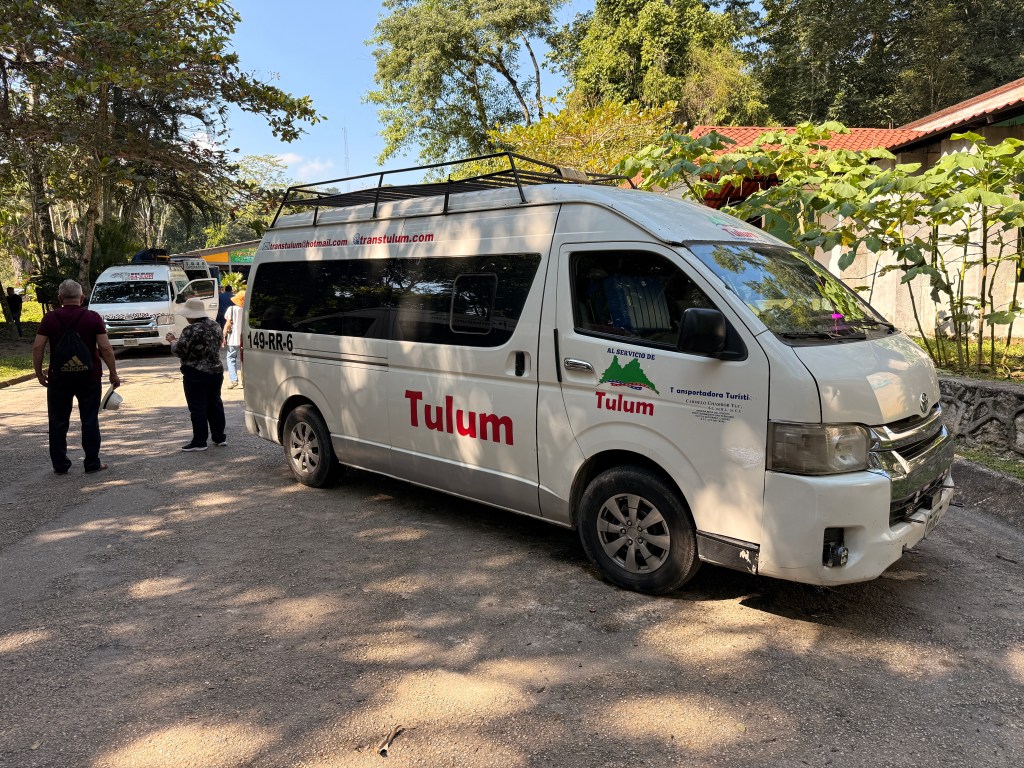
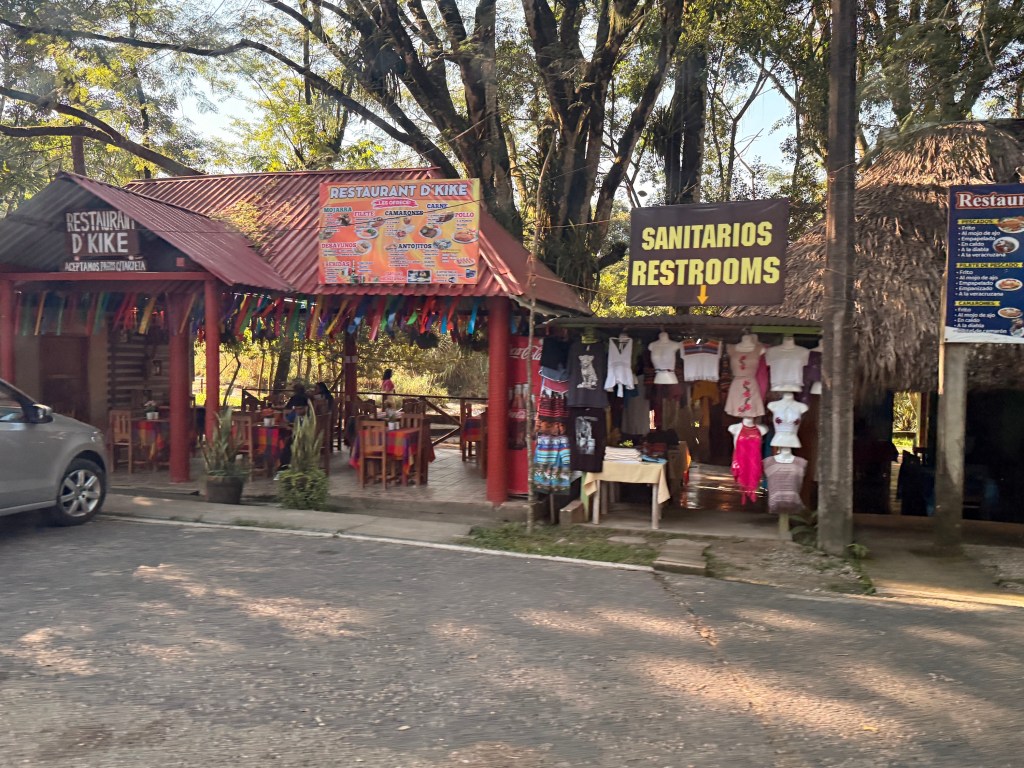
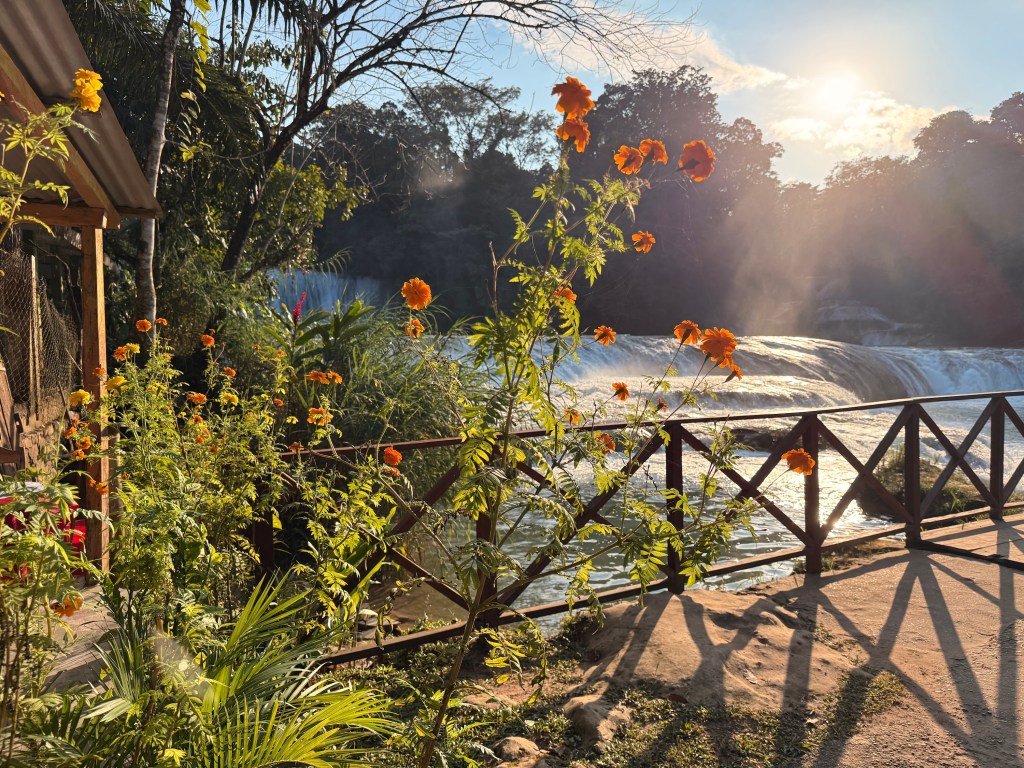
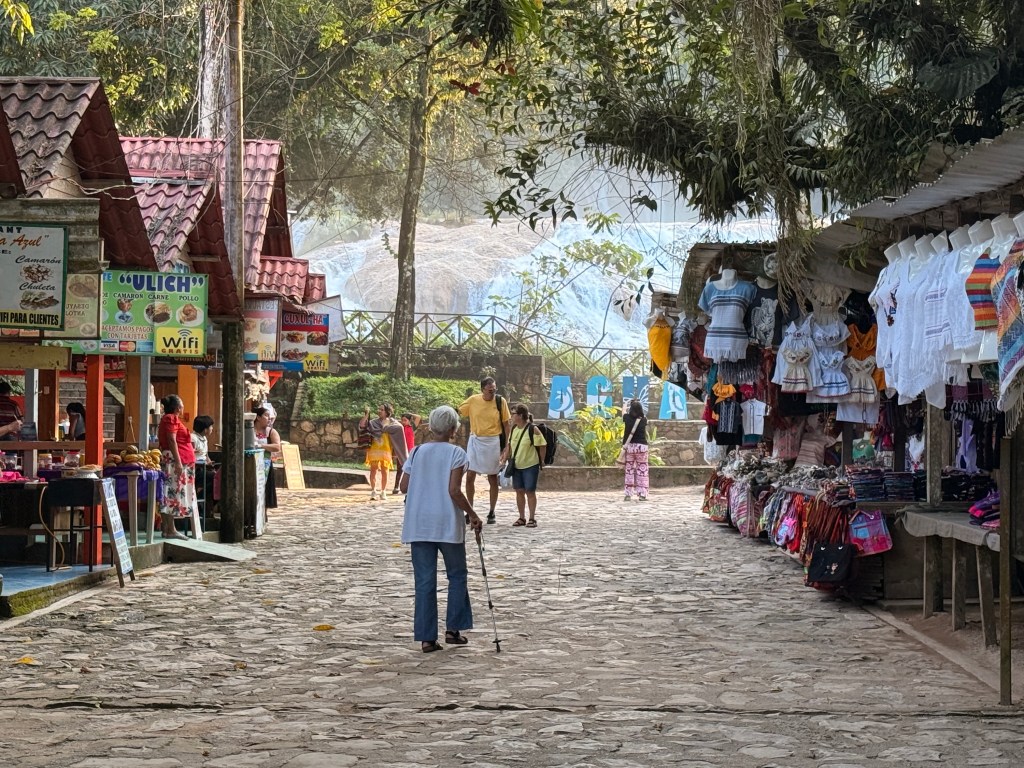
Then we’re off to our next stop, a tourist village at the base of the wide cascading waters of Agua Azul. This is where many other small tour buses from Tulum and San Cristobal and Palenque converge daily with their tourist loads for a lunch break and a visit to the falls. The sound of water tumbling down the rocks is a dramatic backdrop to the quiet tourist street that ends right at its base.

On our last night we find a pair of Brits at the hotel to wander around town with us for some dinner. It’s a fine evening and we make a late return to the Villa Mercedes.
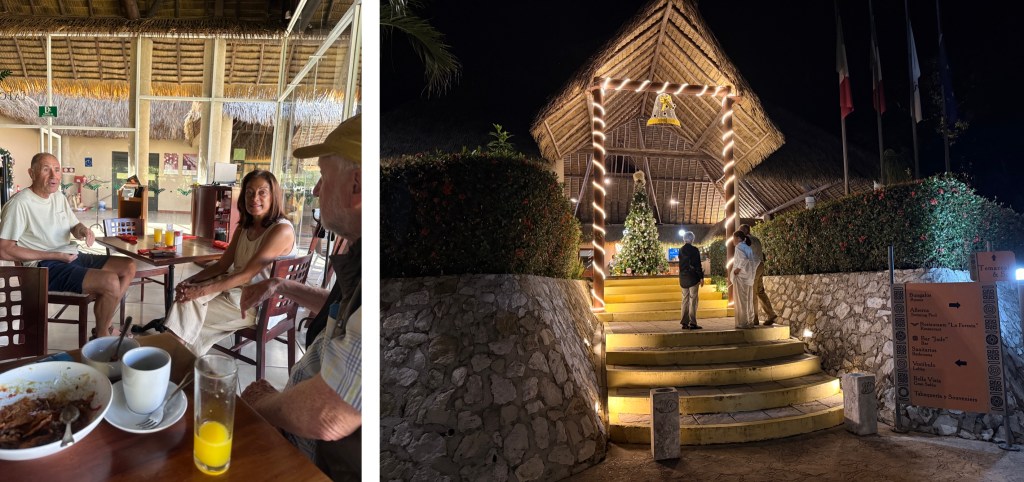
And in the morning we’ll finally board the new Tren Maya that we came here to experience, as we make our way to Mérida. See you there. — PRW


THANKS! The read took me all the way through dinner!
LikeLike
Thanks, Evey. It’s always so great to know you are traveling with us! — C TIERRA DE TORTUGAS, SA de CV Avenida Mar de Cortés #2645Bahía de Kino, Sonora, MXCP 83340Tel 662-242-0122 WORDPRESS DISPATCHES:https://wilkeskinsmandispatches.com/blog
LikeLike
My, oh my, your travels are always so interesting and a great way to help us remember the vastness and uniqueness of different parts of our world. Bless you for sharing your experiences with us less traveled. Enjoyed it very much. Love, Jesse and Mary
Sent from my iPhone
LikeLike
This is the first time I noticed a comment section – great idea. I so much enjoy your travel missives. Thank you for sharing.
LikeLike
Oh, my, another trip I want to take. I’m considering a month or two around Merida then into the Palenque area in January. Not sure I will do it, but that’s one of my possibilities.
I love that your hotel was so close to the jungle. IN the jungle!
LikeLike