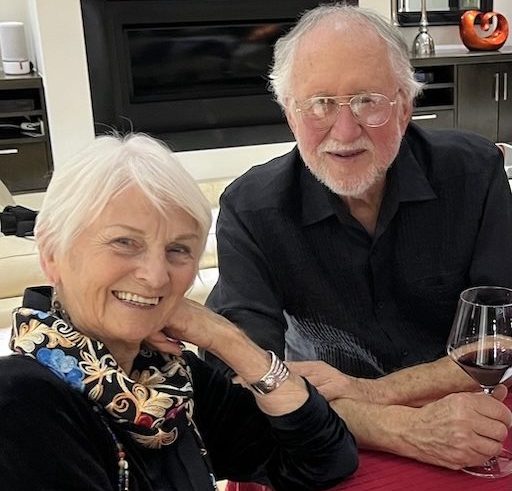
October 1 – 6, 2024
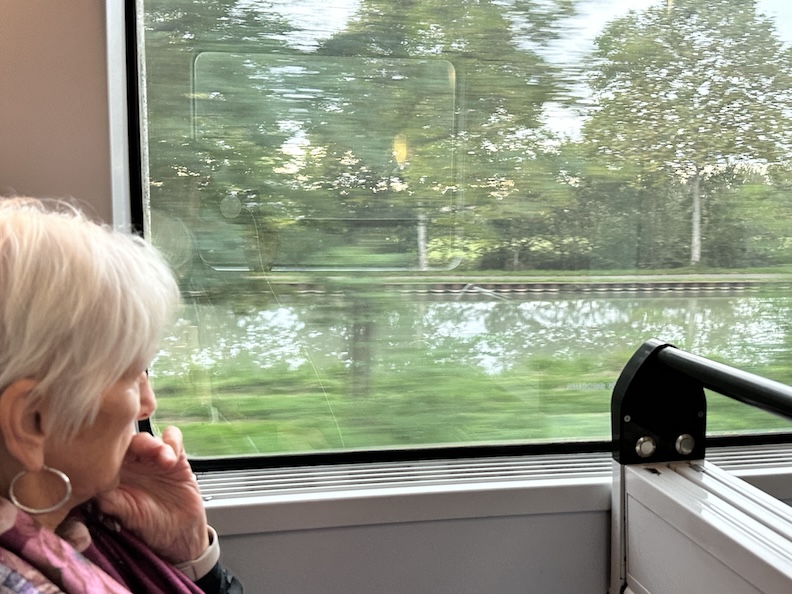
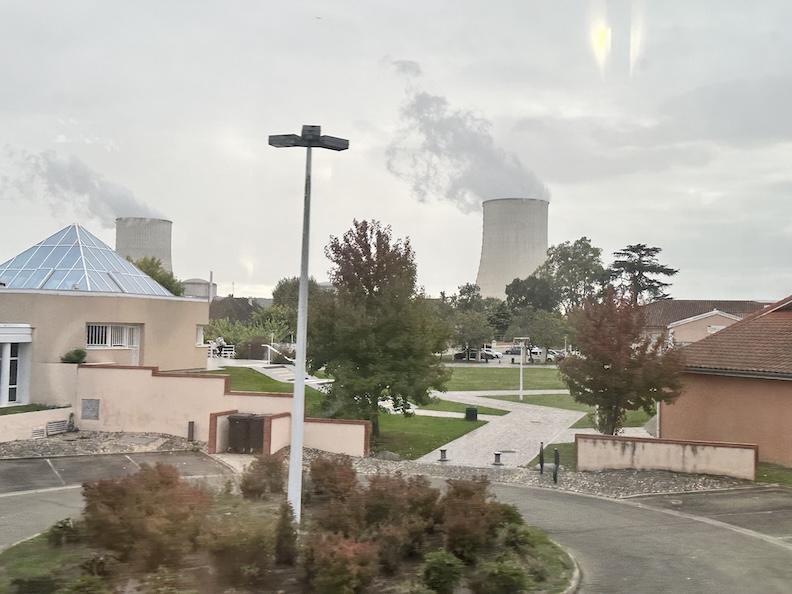
It’s a gorgeous fall day as our train departs Perpignan and the balmy Mediterranean coast for the Atlantic city of Bordeaux. Pretty farms and small villages pass by our window, and they seem to suggest we should return someday to enjoy more of their fresh produce, savory cheeses, and outstanding wine. That’s no doubt a fine idea for another time.
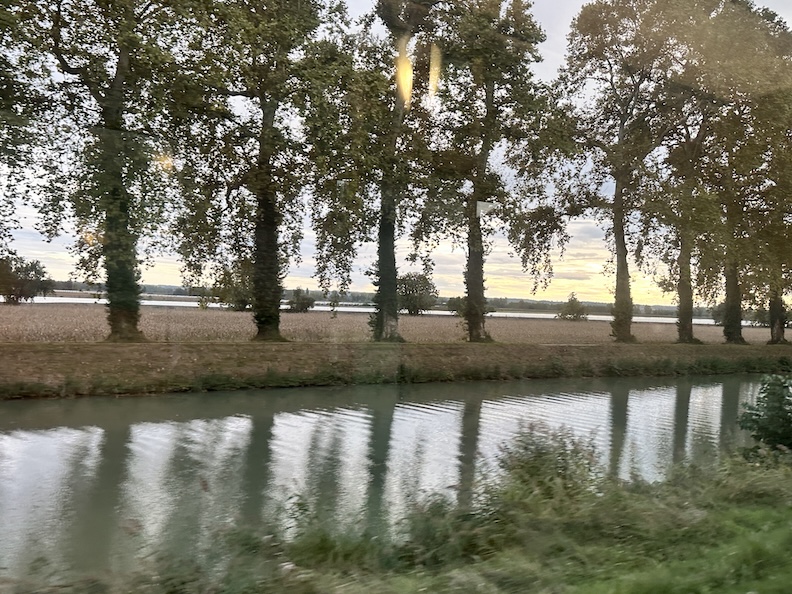
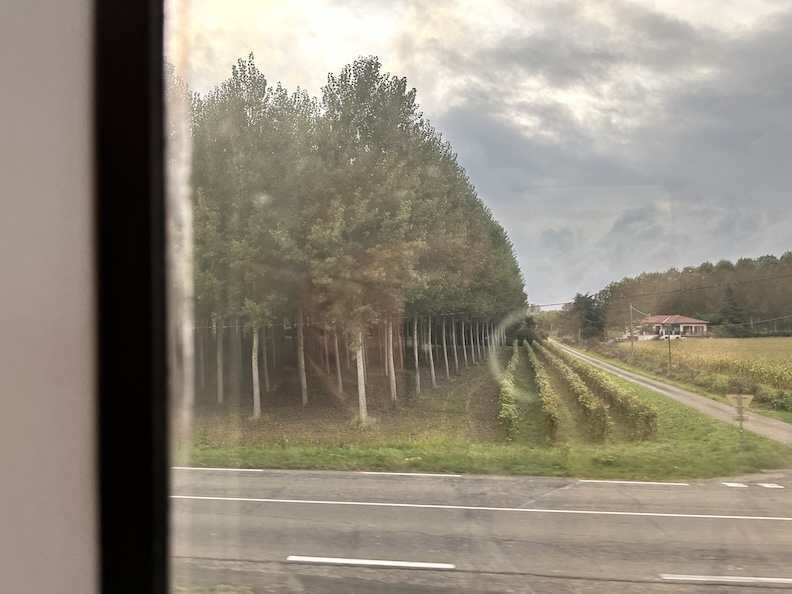
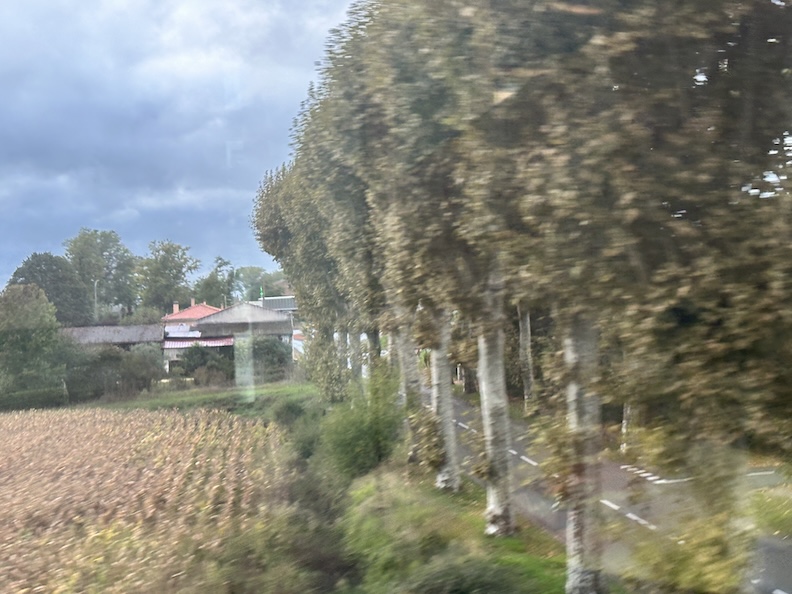
After a while the train follows the placid tree-lined banks of the Canal des Deux Mers, an engineering wonder, built from 1666 to 1681, as a hookup between the Canal du Midi and the Canal de Garonne to finally connect the Atlantic Ocean with the Mediterranean. It was a longtime dream that became a characteristically ambitious project under the reign of Louis XIV, the “Sun King.”
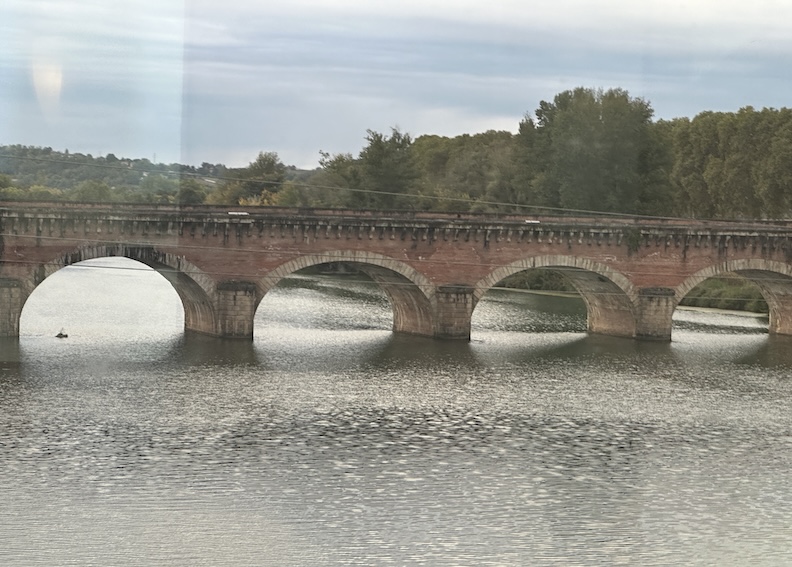
The idea had intrigued various leaders dating back to Caesar Augustus and Charlemagne. In 1516 Francois I enticed the brilliant but aging Leonardo Da Vinci to live out his days in France, and they may also have discussed the project. Such a waterway had many potential advantages, as it could expand the development of French commerce and agriculture in the Languedoc region north of the Pyrenees and improve their access to lucrative markets, while French ships could bypass that dangerous month-long passage around the Iberian Peninsula. It was also a way to deprive the King of Spain of shipping taxes and revenues, while avoiding bands of pirates sailing from ports along the Barbary Coast of North Africa.
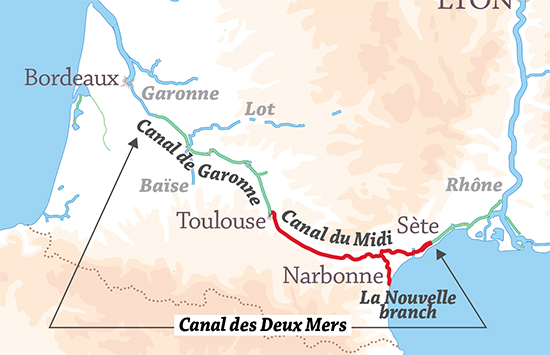
So when Pierre-Paul Riquet, an enterprising local collector of ‘salt taxes,’ brought the first feasible proposal for such a canal to the royal court, the Sun King was soon convinced and willing to authorize its construction. The problem that none of the many earlier designers had solved was how to provide adequate water for the operation of locks passing over the highest point of the watershed separating the Atlantic and the Mediterranean. But Riquet spent considerable time studying the local hydrology and found a solution by using various streams of the Montagne Noire, a large massif just north of the canal route.
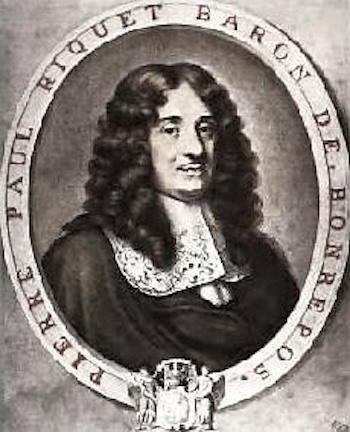
It took 15 years for 12,000 workers, wielding picks and shovels and baskets, to build the canal in an era when important concepts of hydraulic engineering were still in their infancy. Women from nearby Pyrenean villages used traditional ancient Roman-era techniques to build many of the water-conveying structures that were essential to the success of the project. The Canal seems to have worked well for the next 177 years until the Bordeaux-Sète railway line opened in 1858 and connected the Atlantic to the Mediterranean by steam power, making the Canal obsolete.
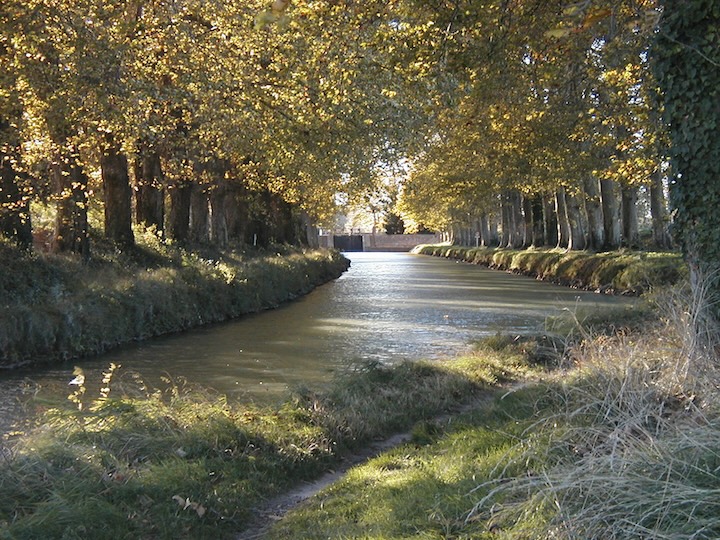
Today the famous Canal is a gorgeous shady waterway for pleasure boaters and fishermen, with pathways for cyclists and runners. And it all looks very appealing from our train windows as we draw nearer to our debarkation at Bordeaux’s Gare Saint-Jean.
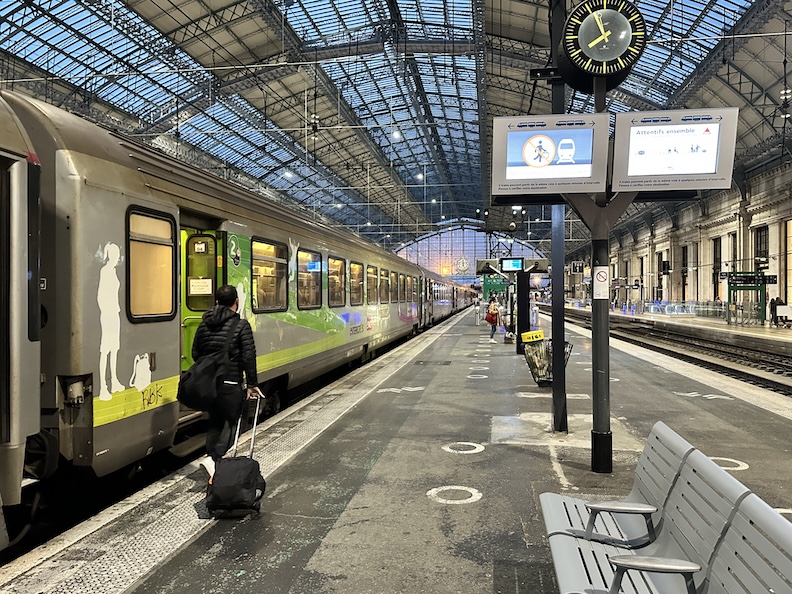
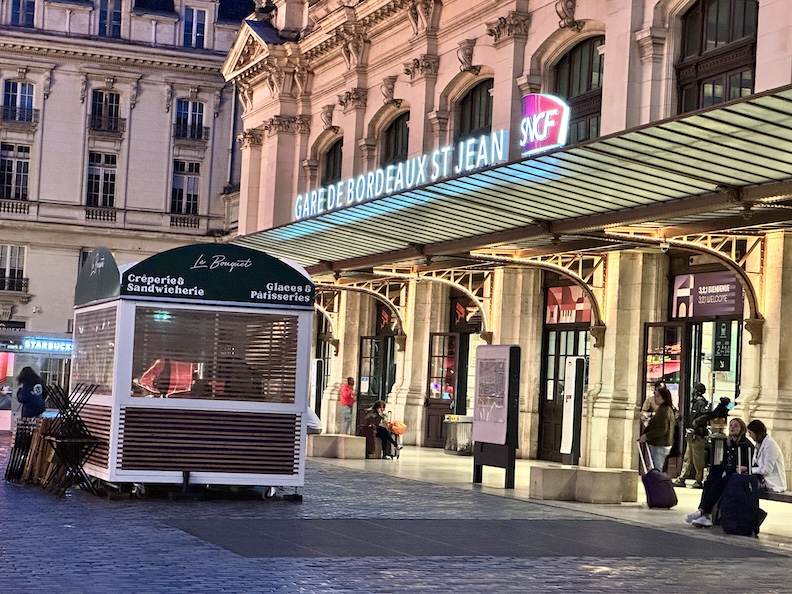
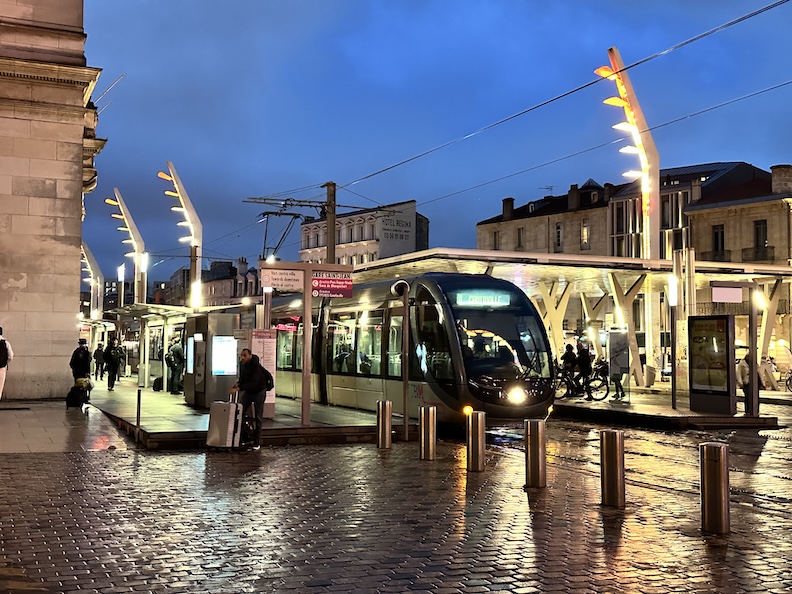
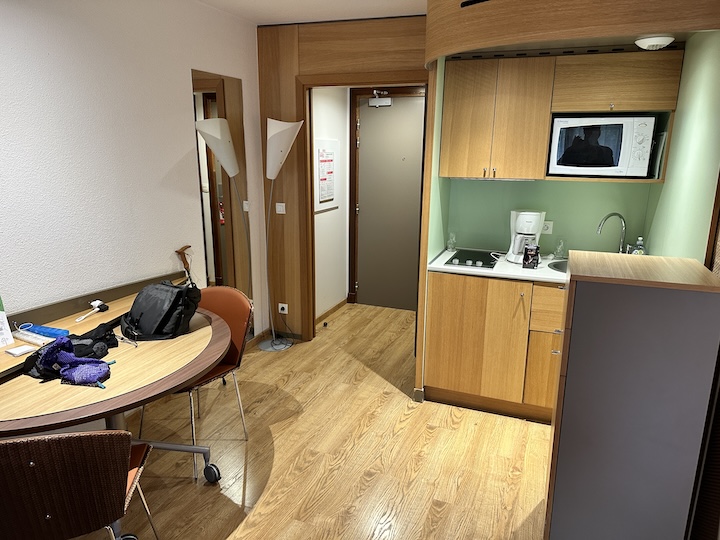
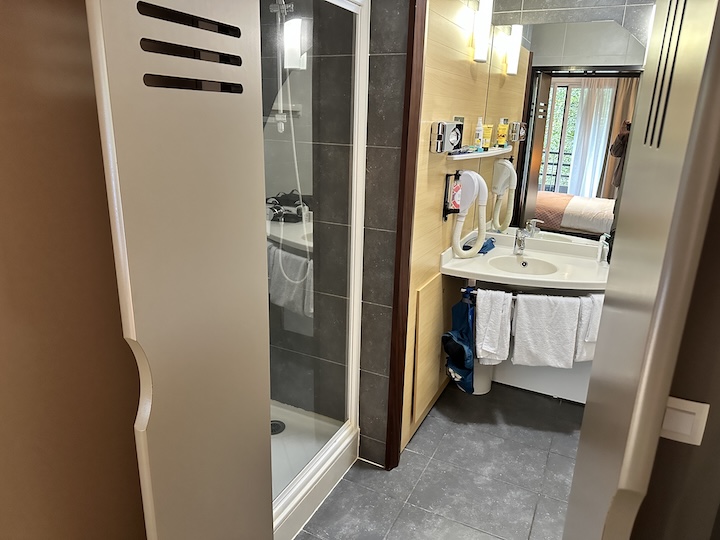
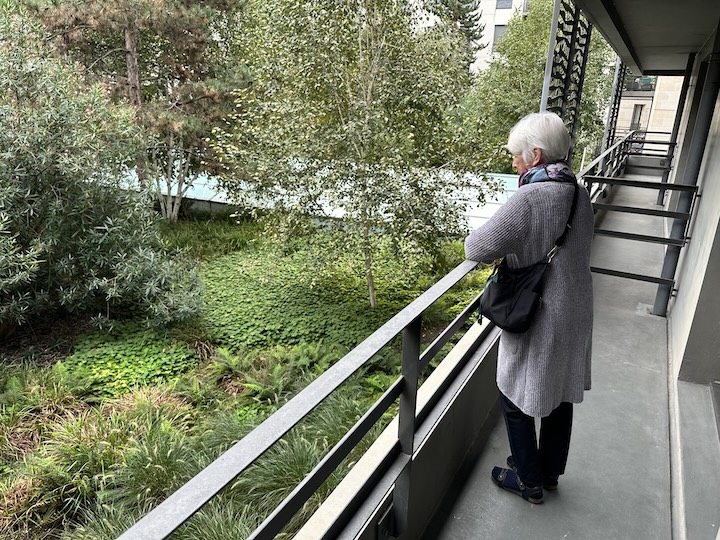
We arrive in Bordeaux as the evening sets, and we take a cab to a comfortable room at the Aparthotel Adagio by the Place Gambetta. It’s a modern purpose-built hotel, with clean and simple suites near a good tram line in the center of town. And we won’t be doing an Airbnb thing, taking lodging away from the locals.
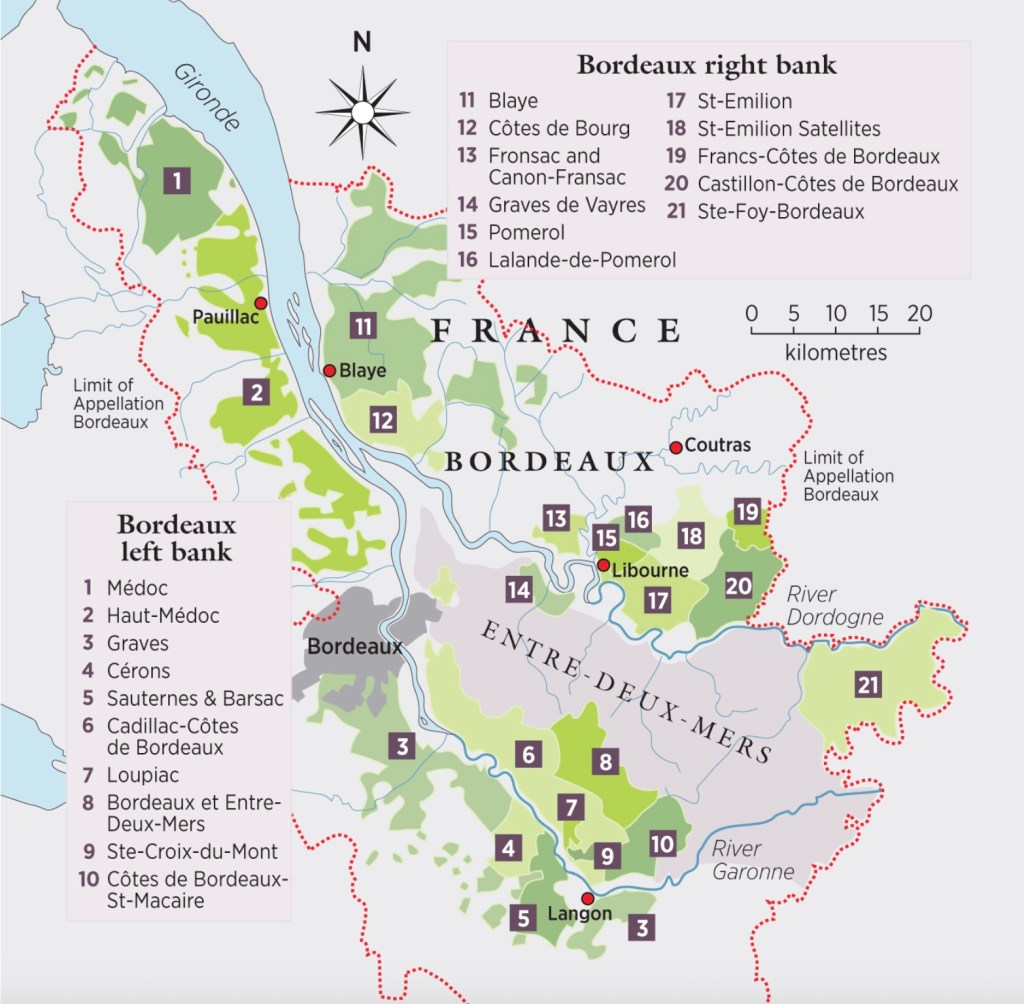
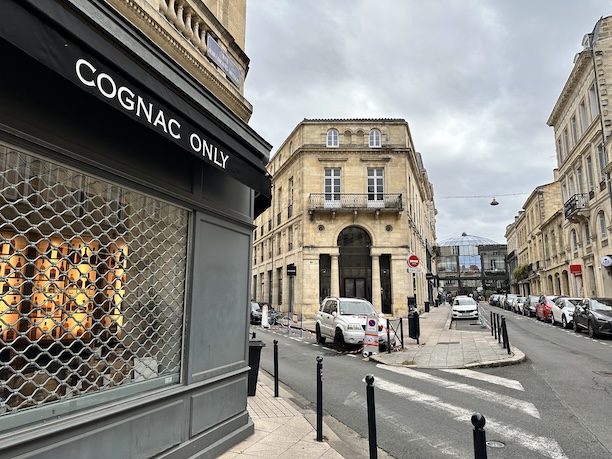
A visit to southwestern France means easy access to famous local attractions involving food, wine, and fine cognac. The actual town of Cognac is only about an hour and a half north of here by train, and it’s certainly a temptation to visit the venerable old houses of Martell, Rémy Martin, and Hennessy. The city of Bordeaux lies near the base of the Médoc, a long fertile tongue of land that separates the stormy Bay of Biscay from the protected waters of the Gironde estuary. The famous Chateau Lafite Rothschild, Château Latour, and Château Mouton Rothschild are located on that fertile strip of land. And the wineries of “Entre deux Mers” (‘Between two Seas’) are between two rivers just to the east of Bordeaux. It’s a golden opportunity for lots of side jaunts – but we’ll be so involved with exploring Bordeaux that we’ll actually manage to do none of that.
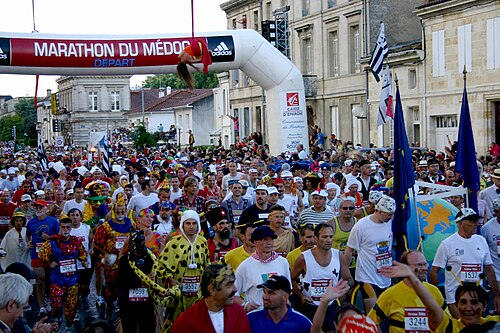
We won’t even get to the festivities surrounding the rollicking Marathon du Médoc in nearby Pauillac, which is known as the longest marathon in the world due to the many stops for wine tasting and the 50 or so musical orchestras along the route. It would seem that speed is not of the essence for the participants, who mostly show up in costume and seem to heavily favor a hearty joie de vivre instead.
The fact is, we’re nearing the end of a four-month Euro jaunt, we’ve already seen an awful lot of the continent, and our brains are now a bit clogged with many fine adventures. So we’ll just content ourselves with getting to know the city of Bordeaux, instead of running around the countryside. We’ll save all those other attractions for another day.
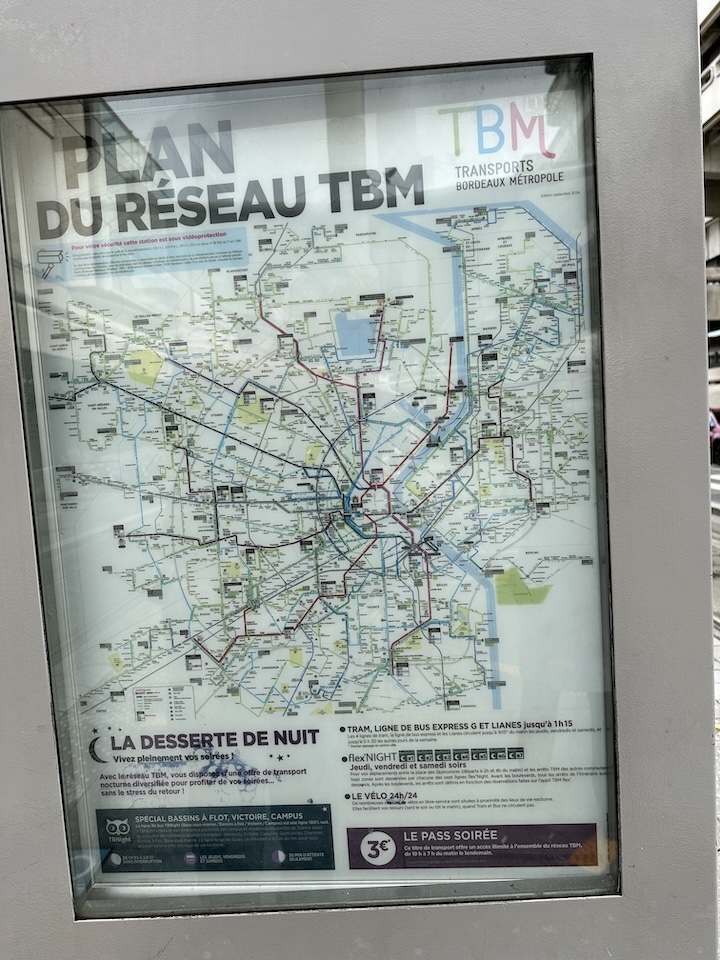
We’ve often mentioned (maybe too often!) the ease of local public transportation. But after a quick glance at Bordeaux’s confusing ‘Plan du Réseau’ (Network Plan), we decided we’d better stick to the local tram lines for a low-cost tour of the city.
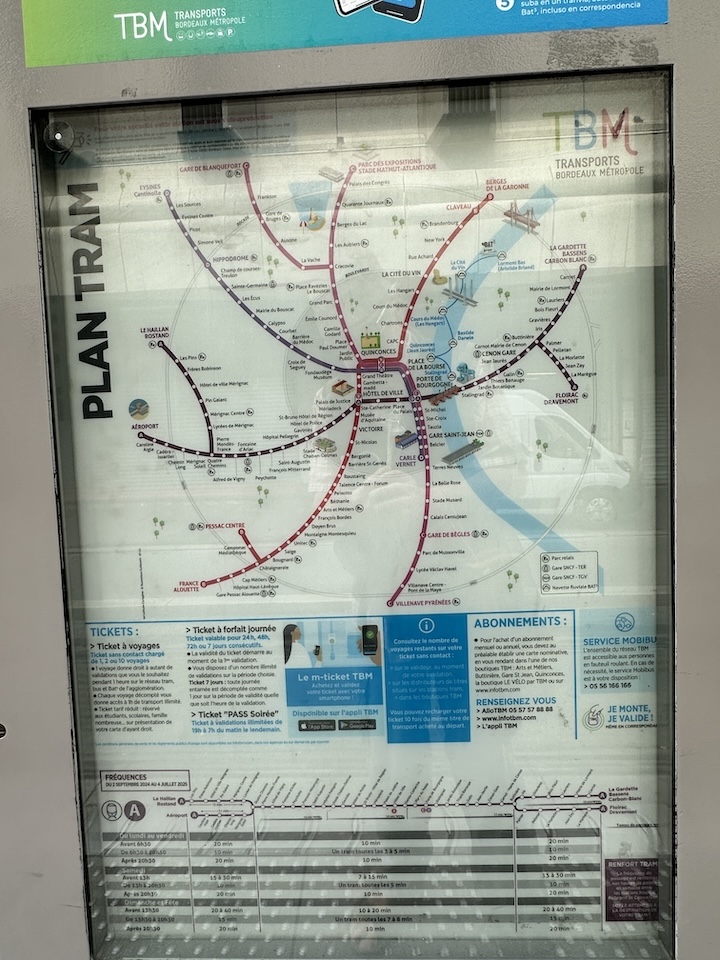
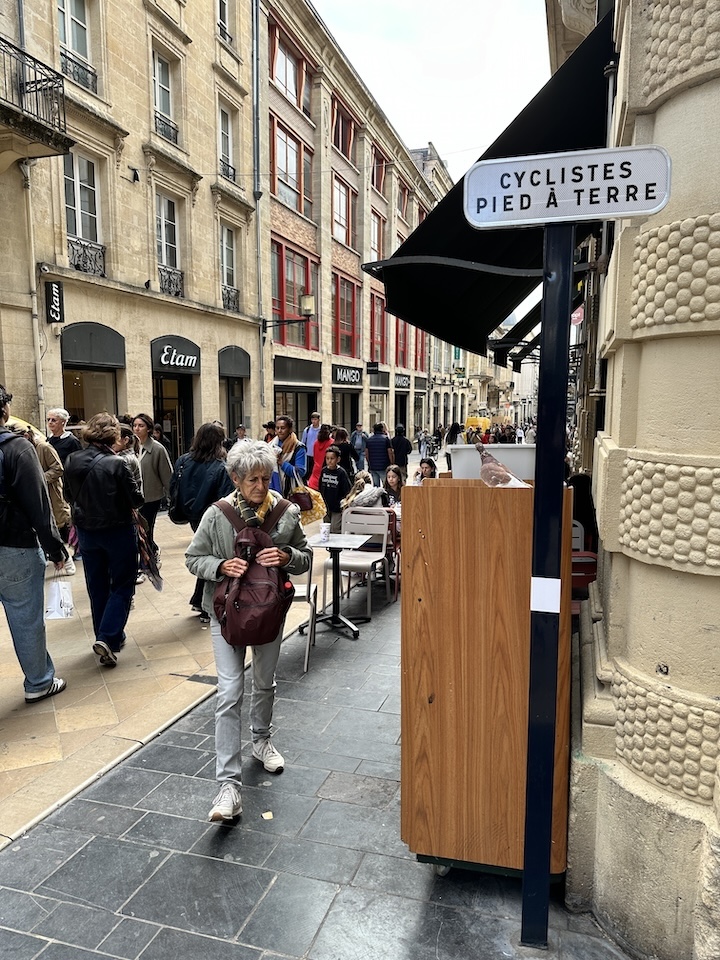
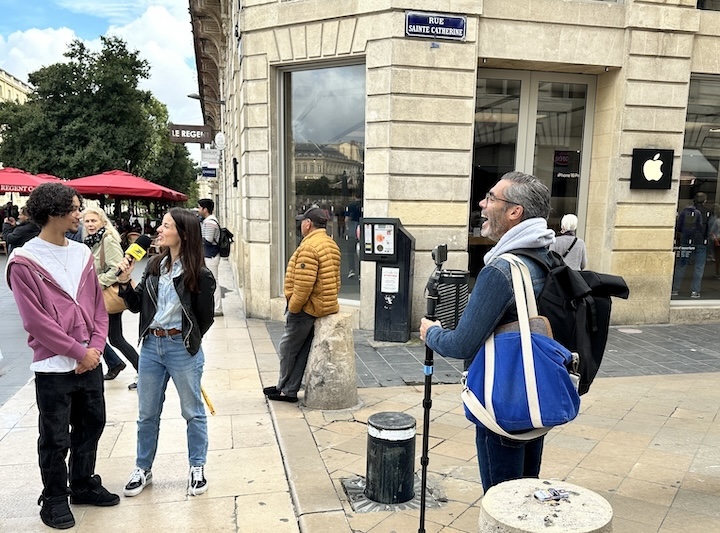
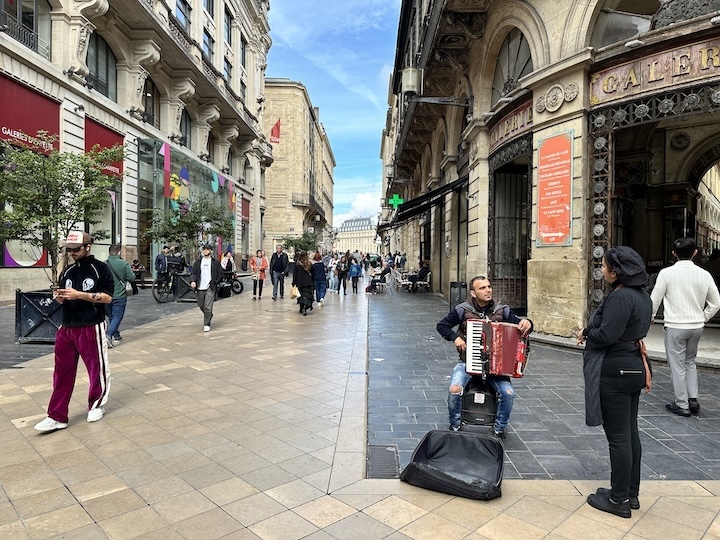
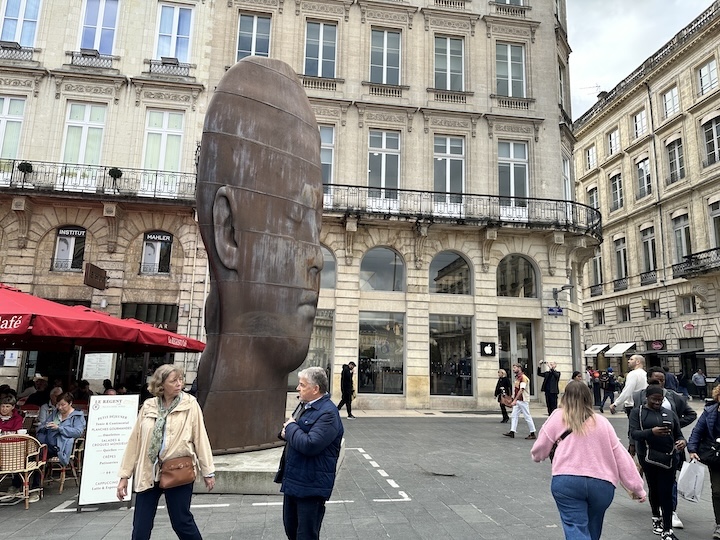
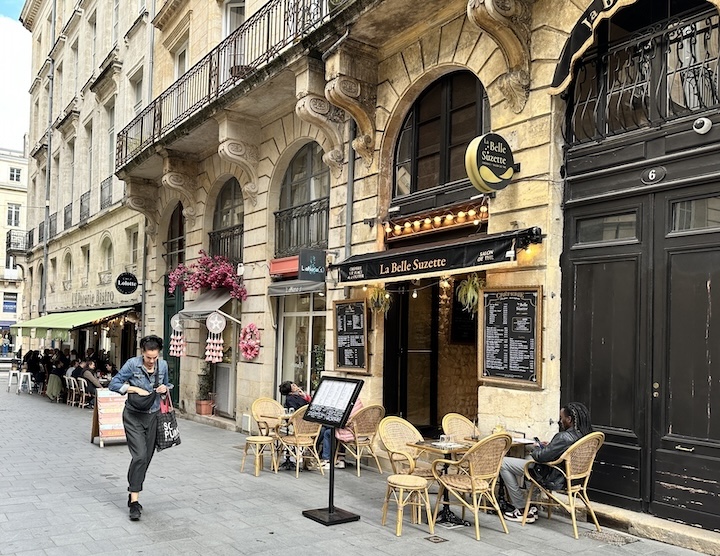
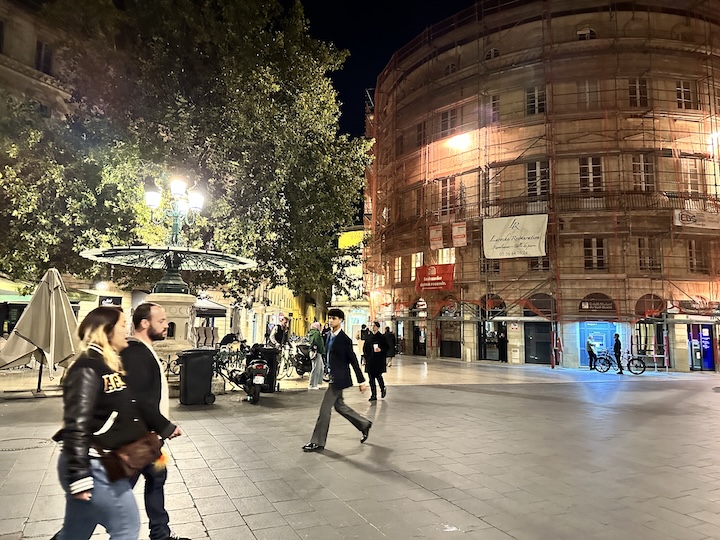
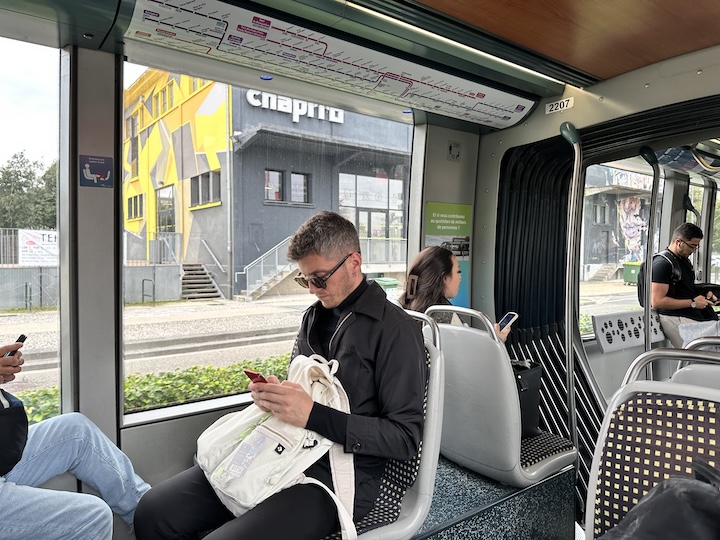
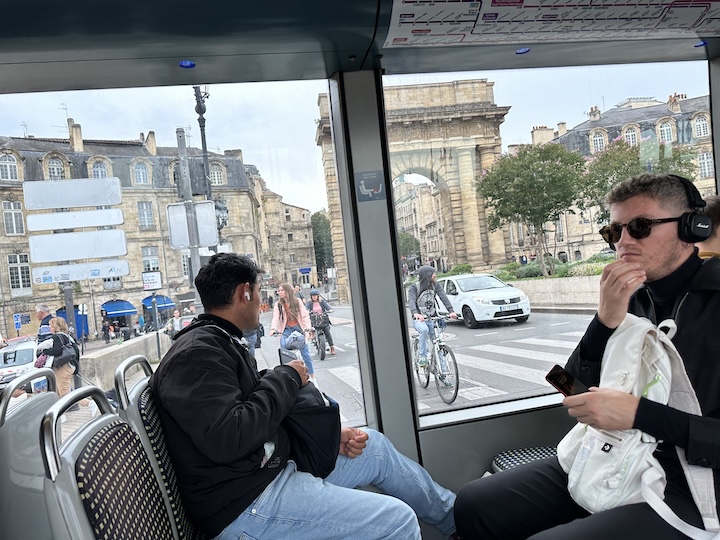
And soon our tram rolls past the city’s fine classical Opera Hall. It’s in the beautiful old center of town right by the Apple Store, where some guy is involved in a street interview. This is a pedestrian-friendly district full of historic and Neo-classical buildings which is currently the largest UNESCO-listed urban World Heritage site. There’s a rich mixture of street art, fancy shops, and charming sidewalk cafes where we can absorb some of the busy street life and atmosphere that engulfs us. We stop to share a sandwich, and then buy tickets for an upcoming orchestral evening.
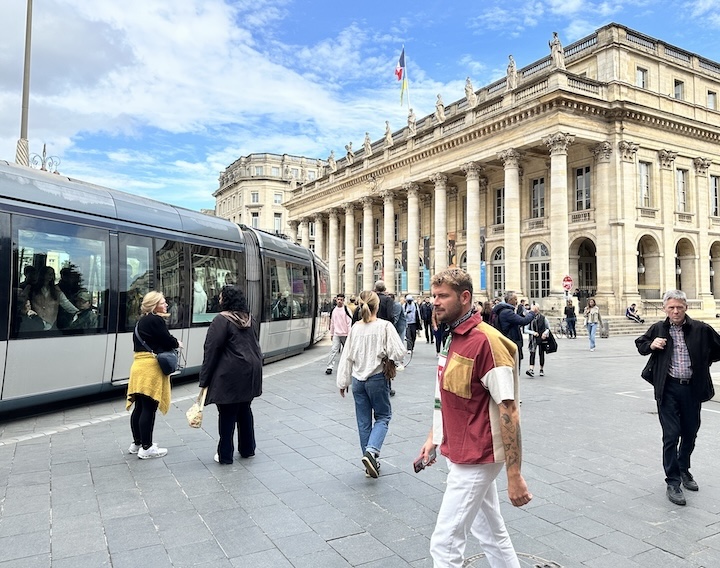
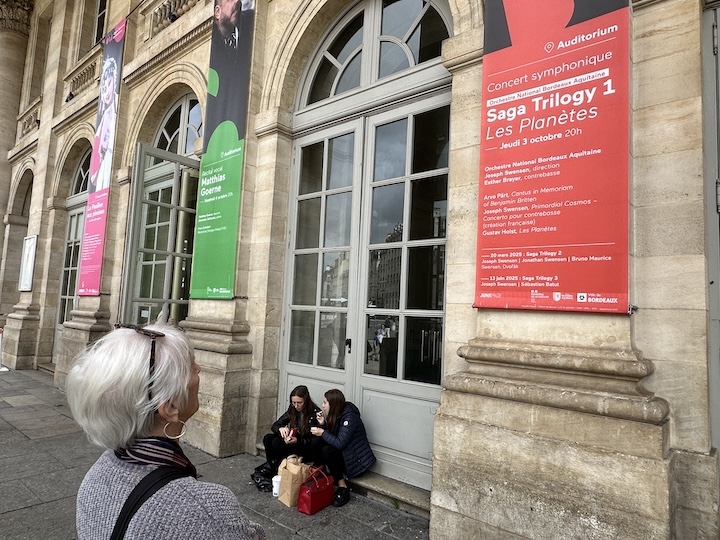
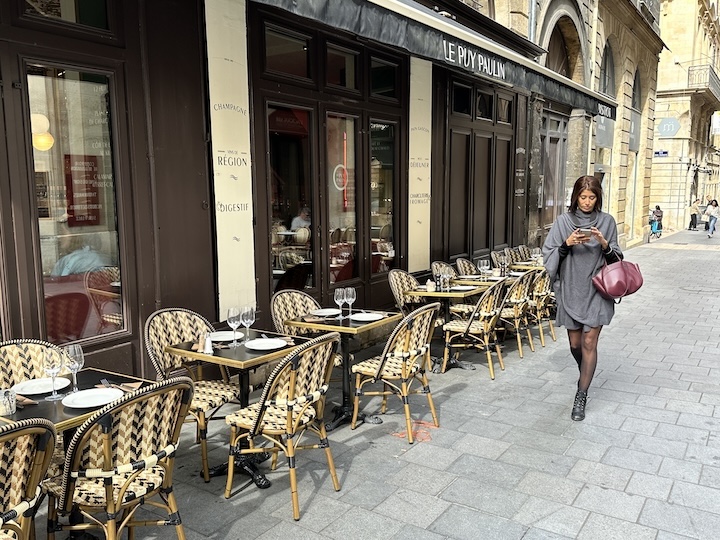
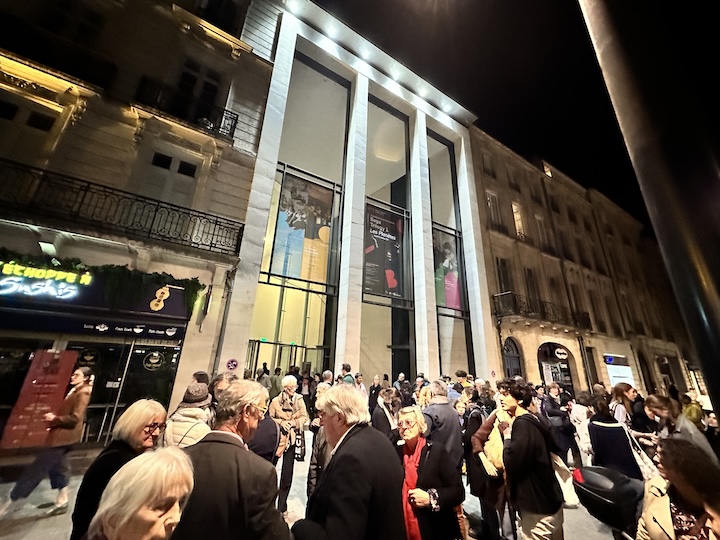
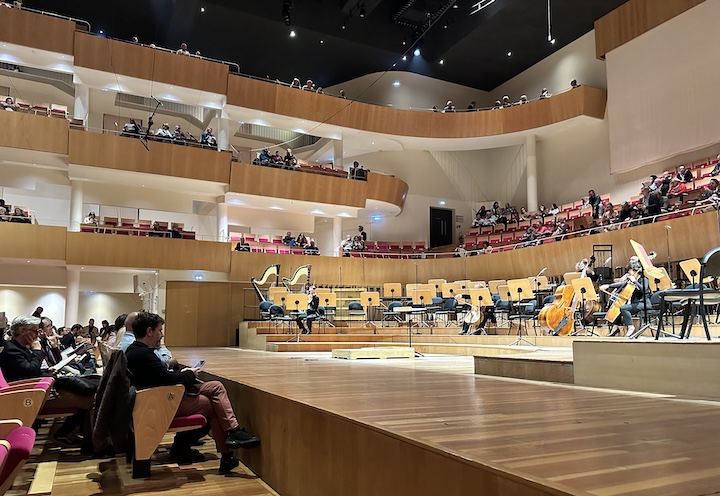
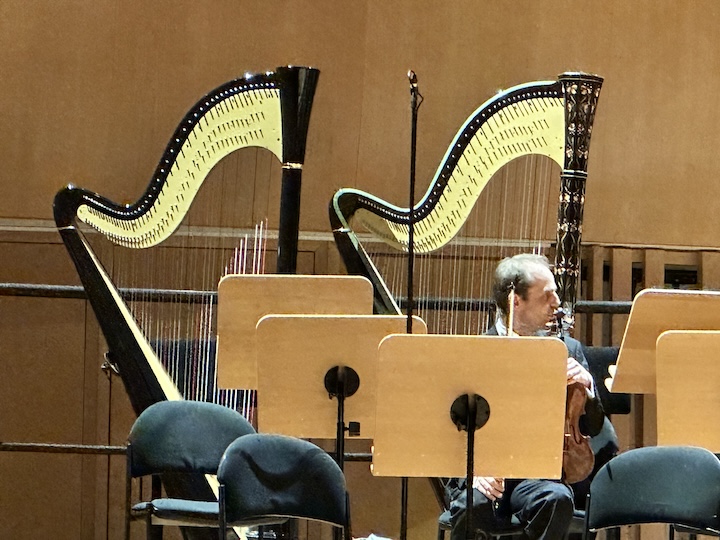
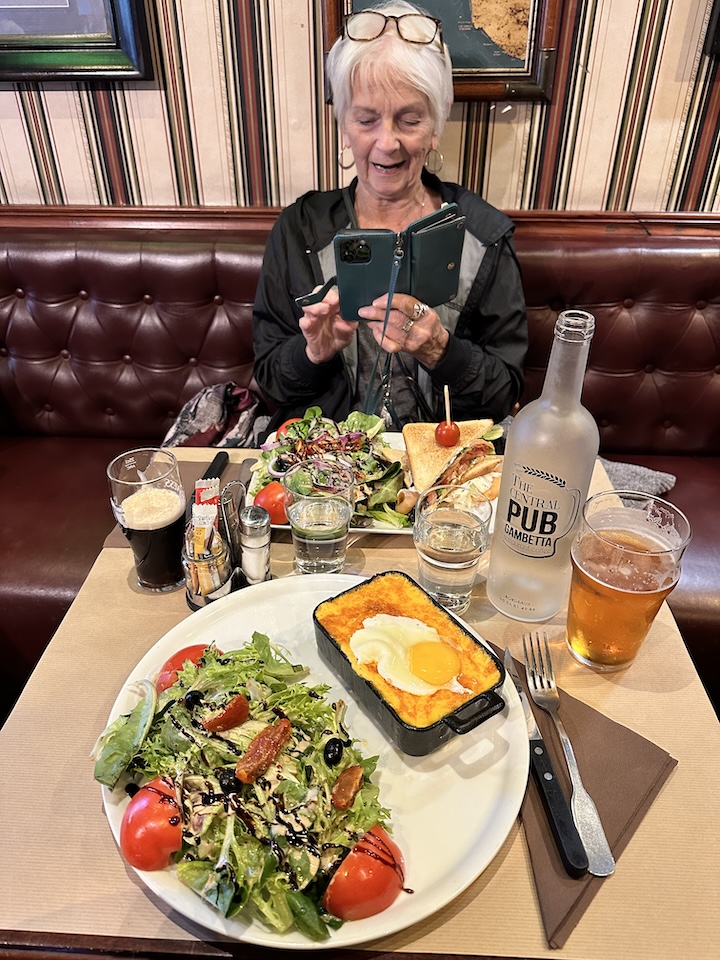
But later we realize the orchestral evening is actually to be held at a more modern nearby venue. Ah well, it’s important to read the fine print. But we had a grand evening anyway – along with a good meal at a local bistro and some of that famous regional wine .
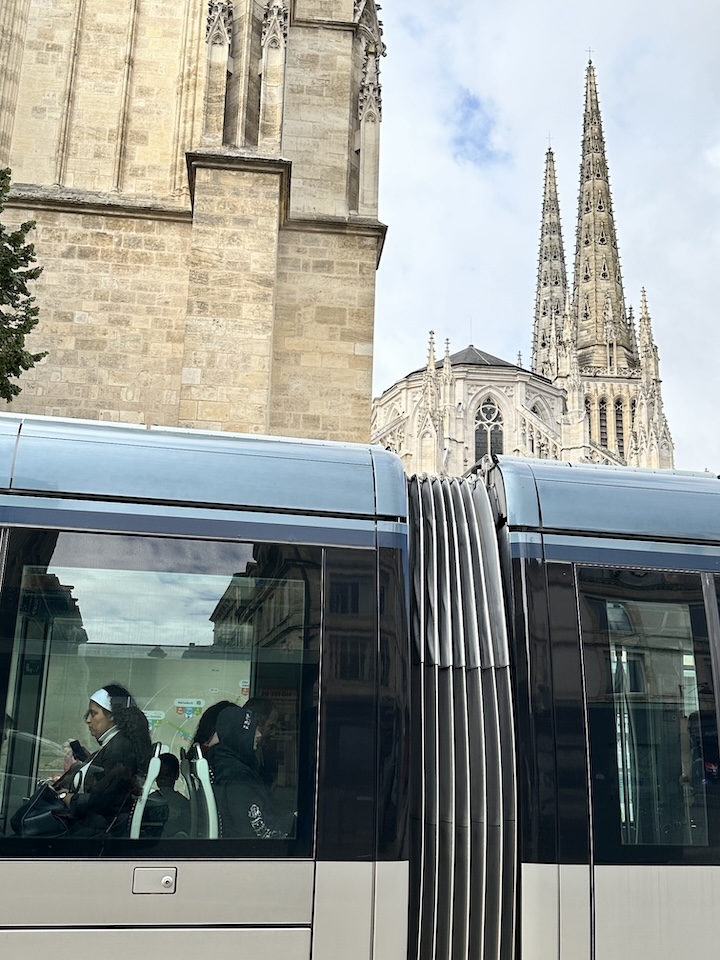
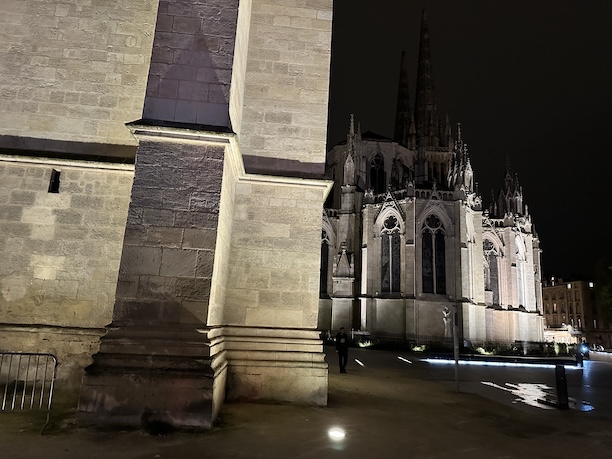
On another day we’re off to explore more of the city, and I’m captivated by the sight of a nun on the tram as we pass the Gothic towers of the Cathédrale St-André, dating from 1096. Some things are timeless, even in an era when efficient mass transit has replaced the charm of horse-drawn carts on manure-strewn streets.
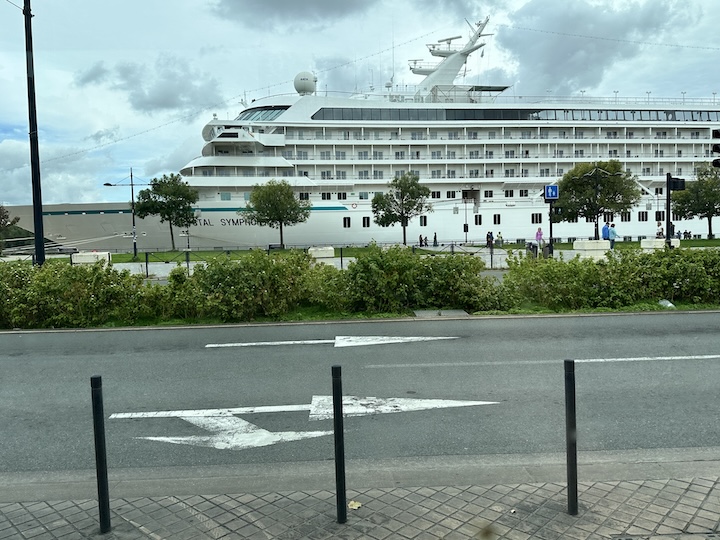
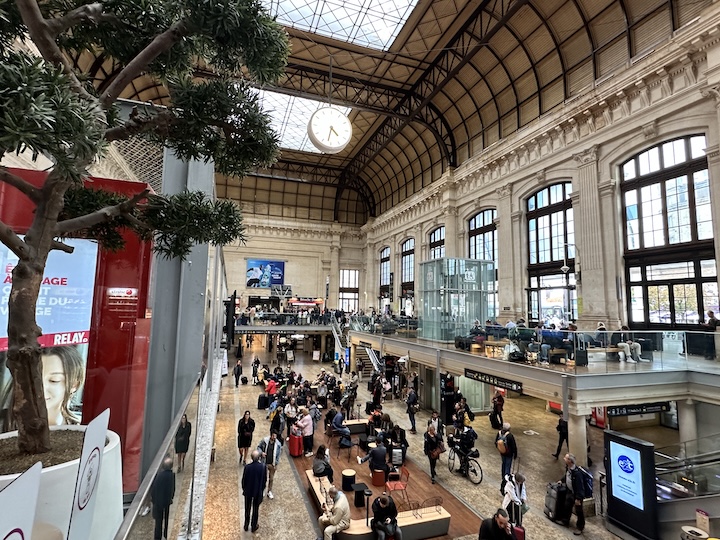
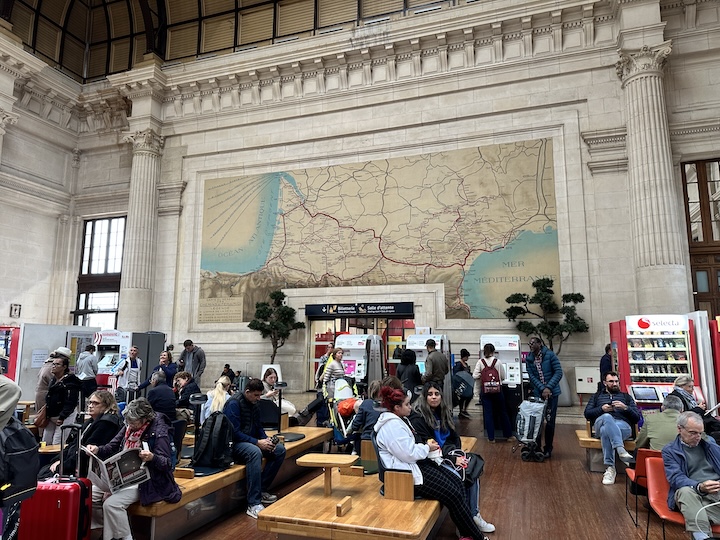
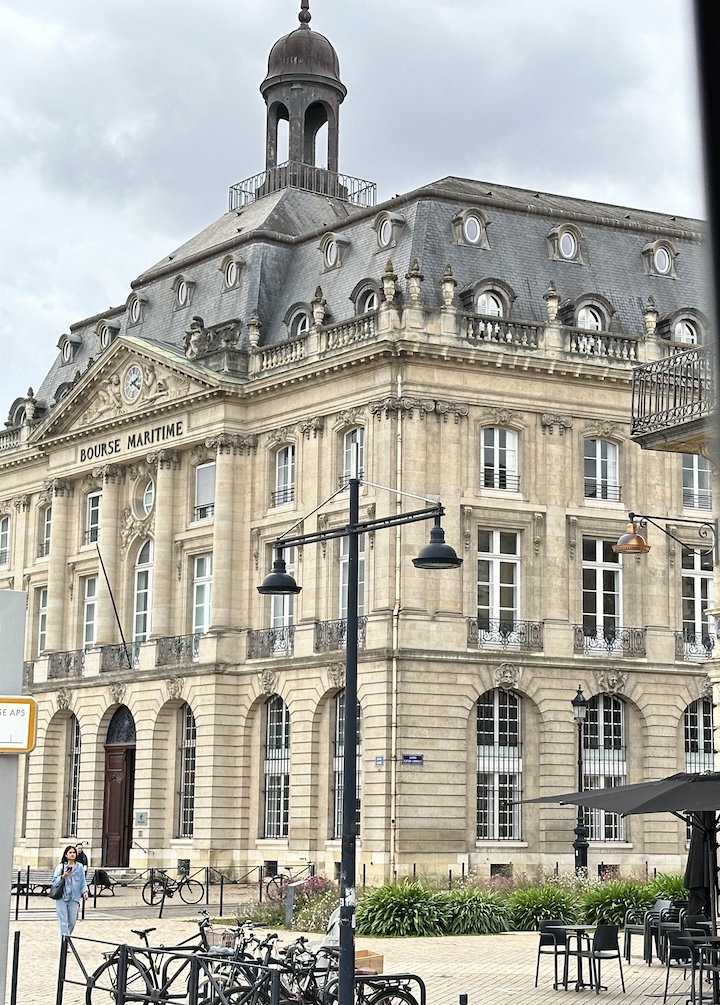
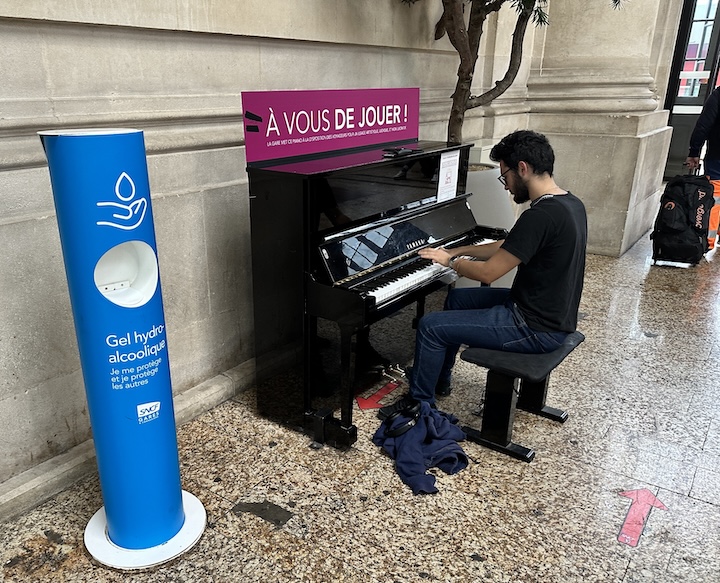
Today we pass the docks where the cruise ships are located, and we pass the classic old Bourse Maritime on our way back to visit the Gare St-Jean to buy the train tickets we’ll need in just a few days as our Euro 2024 trip finally winds down. There’s someone at the piano, of course, and you can trace the famous Bordeaux to Sète train line up there on a huge map at one end of the grand hall. But we’ll be taking the train heading north instead, toward Paris.
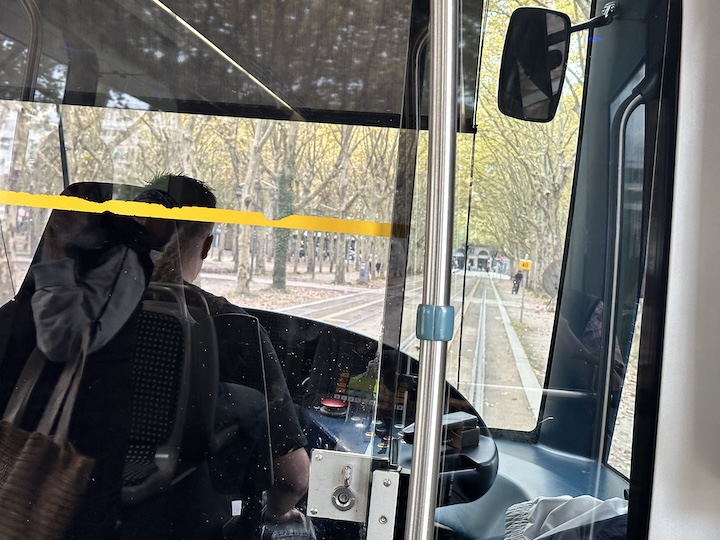
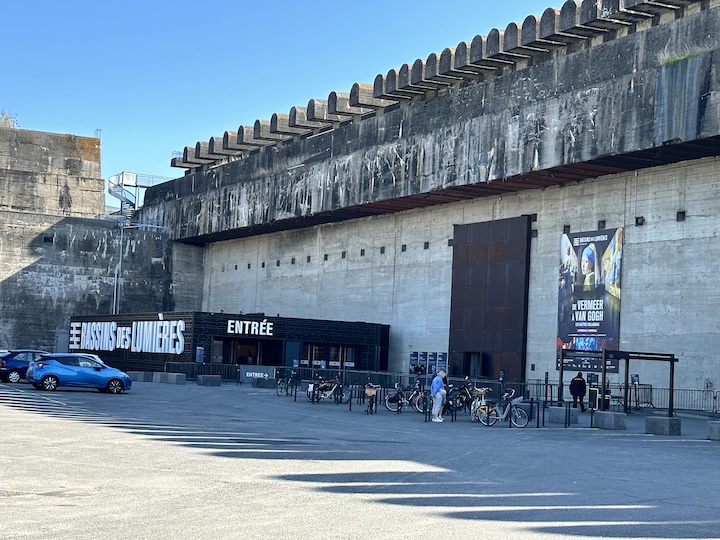
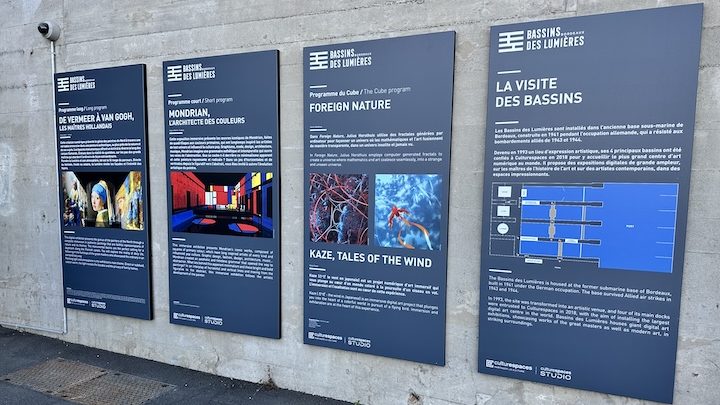
The tram makes its way onward through the streets of Bordeaux, to the new immersive art show at the Bassin, the city’s large yacht basin. These new immersive art shows are an artistic and musical treat for the senses, similar to those ‘laser light shows’ we recall from the 1960s, and designed to attract a modern audience that’s more attuned to video games. But this one was so dark inside that I kept stumbling over the people ahead of me, and finally I needed to duck out by the way we came in – against the protestations of the staff.
It’s a wonderfully bright day just outside the door, and a fine place to admire the many fine yachts at their moorings. There’s also a memorial to the patriots of the Spanish Civil War who fought for freedom against Franco’s forces. Their defeat led to decades of oppression in Spain and are a reminder to all of us that freedom is a precious commodity.
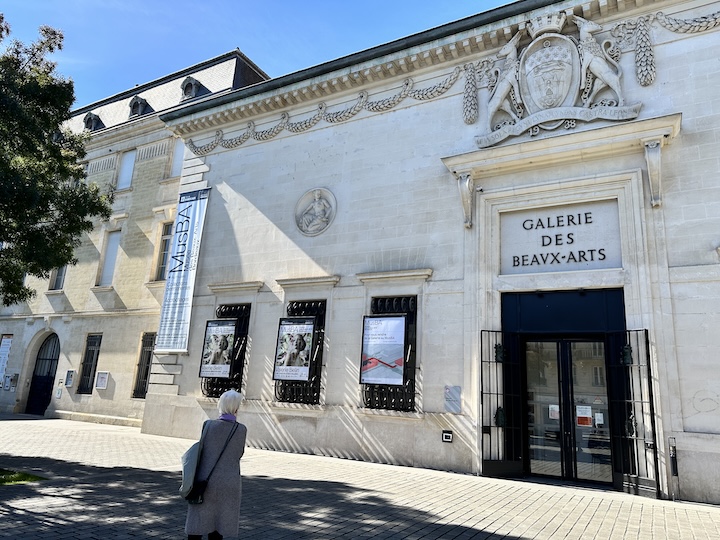
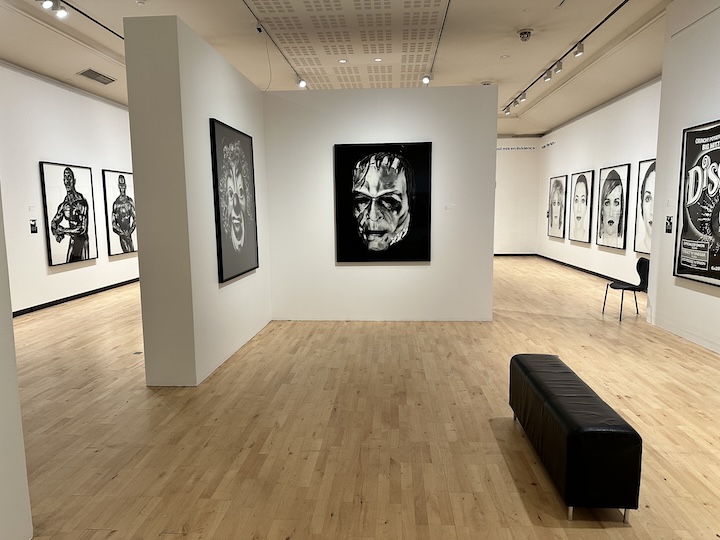
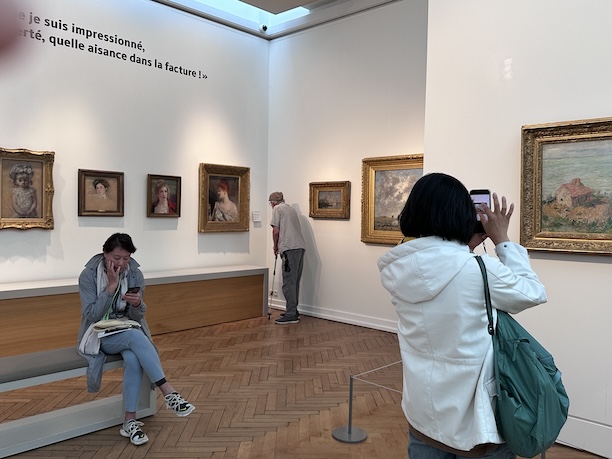
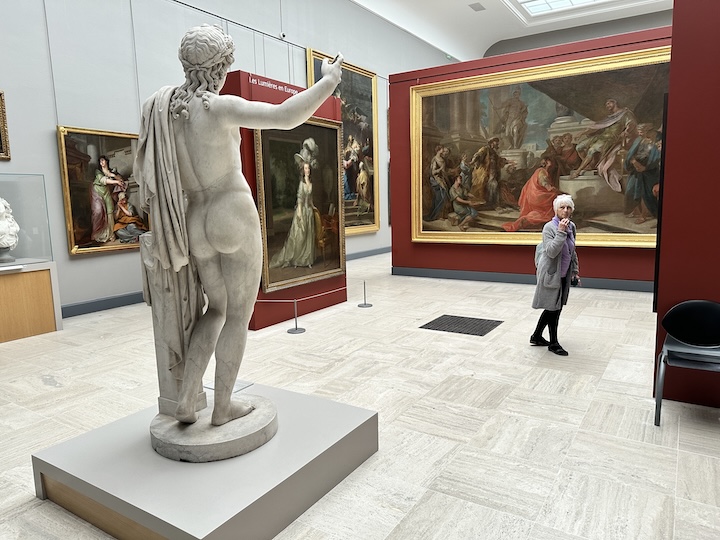
Bordeaux’s fine Galerie des Beaux-Arts is another fine attraction. We spend considerable time wandering through its extensive works, to maybe gain a few more insights into the long and fraught history of Europe. And the many finely-crafted paintings of sailing boats always have the ability to grab my attention.
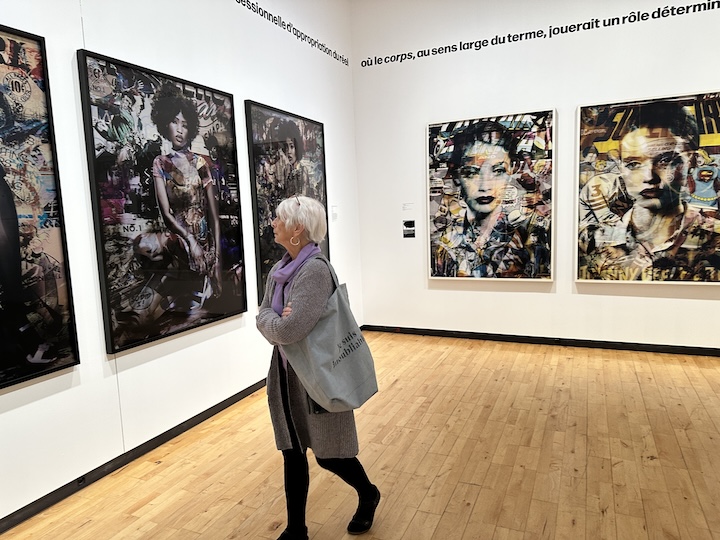
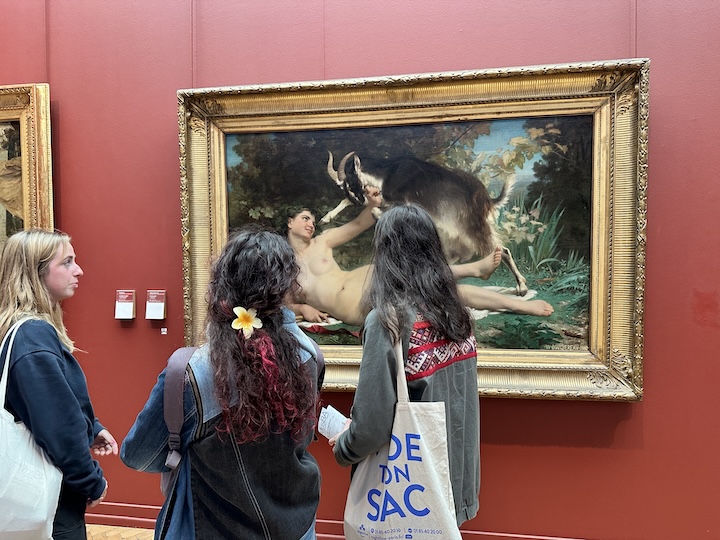
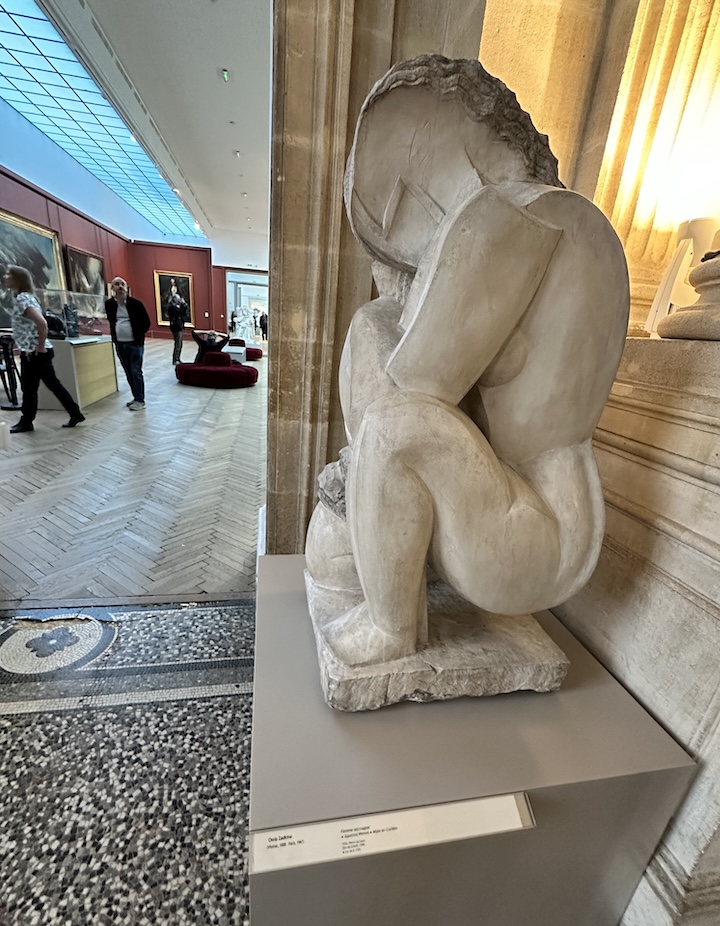
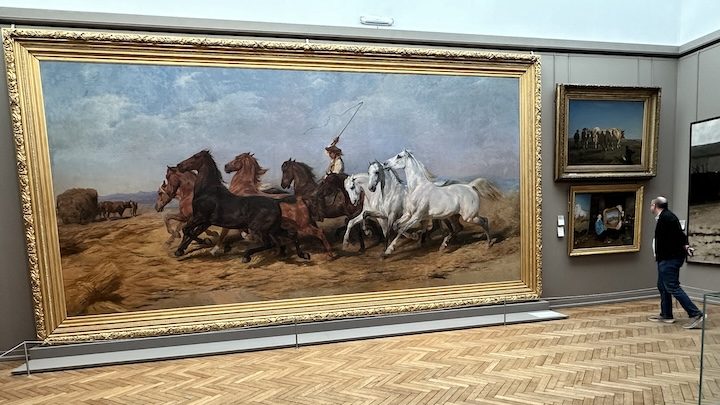
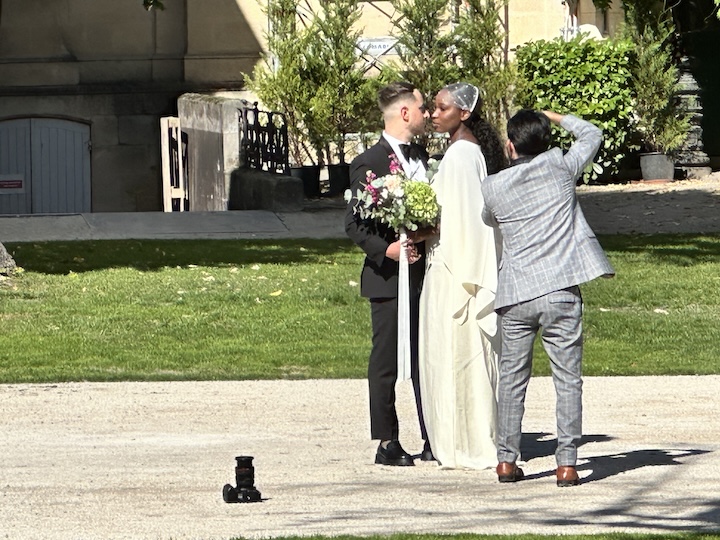
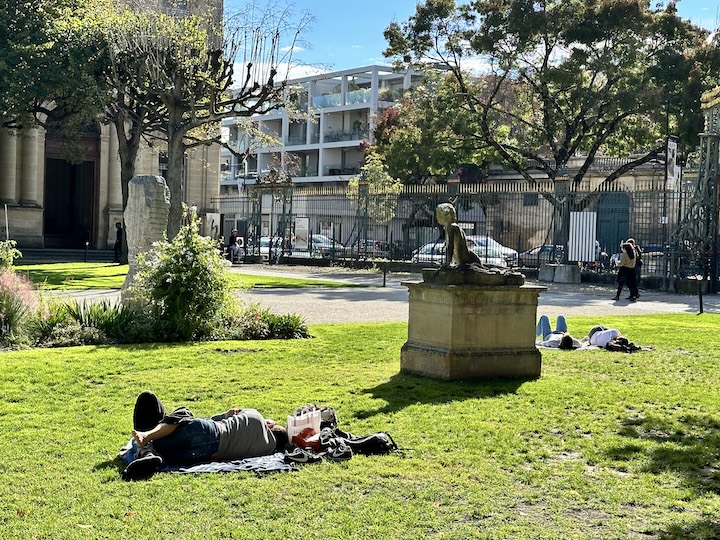
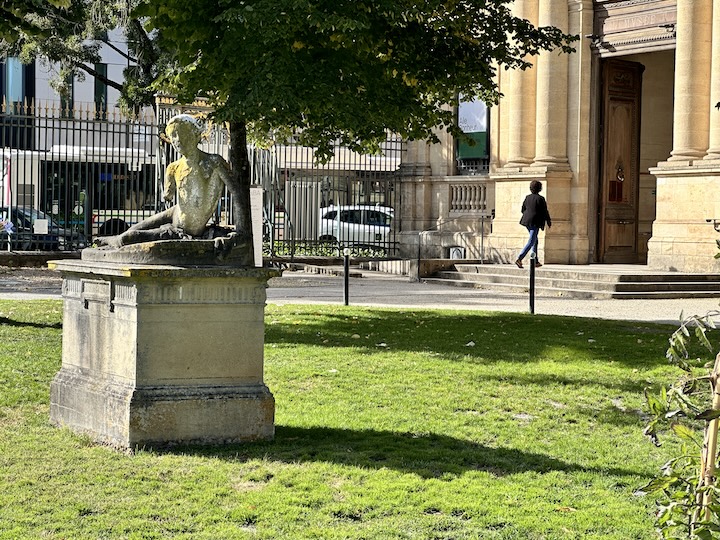
Just outside the door there are pleasures awaiting us through a wander into the sculpture garden. What appears to be a wedding shoot is underway. There are languid gold fish aplenty just hoping we might drop a crumb or two into the water. And a happy couple appear to be engaged in a pleasurable match of lawn-wrestling.
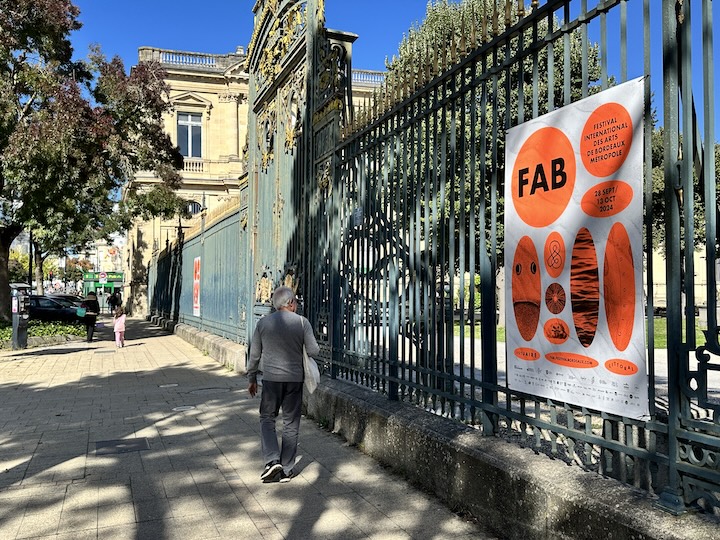

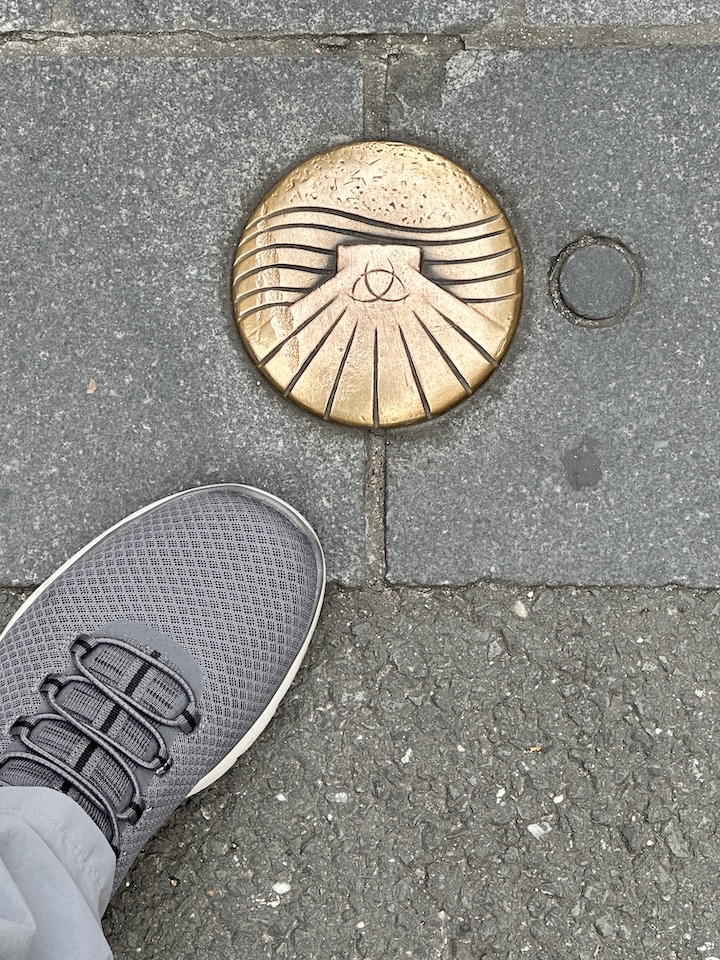
We emerge into the lengthening shadows of evening to find yet another bronze marker in the pavement for those avid souls who are inclined to hike off toward the Pyrenees and then onward to distant Santiago de Compostela in Spain.
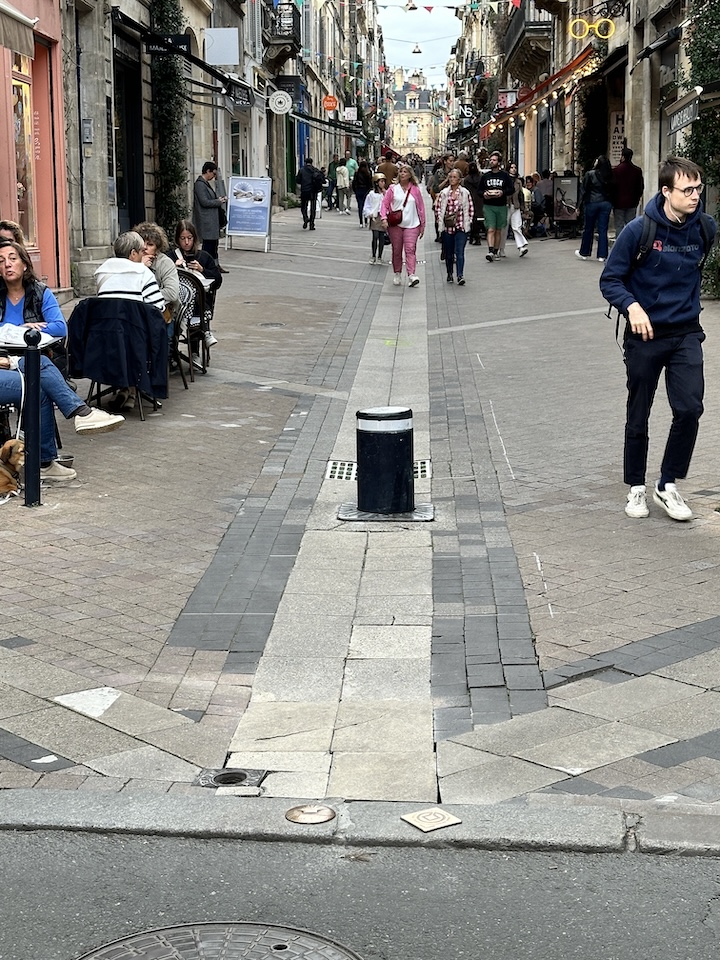
But we’ll content ourselves with a leisurely wander in search of a good evening’s repast, and a decent glass of wine, before making our way back through the nightly streetscape to our quiet lodging place.
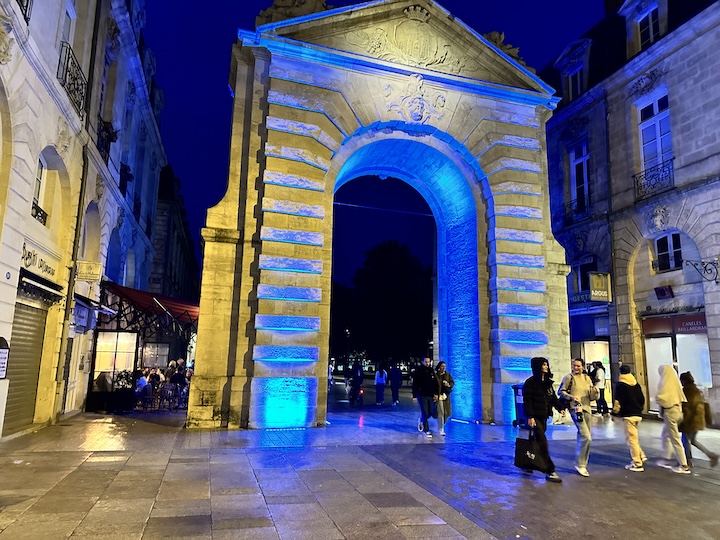
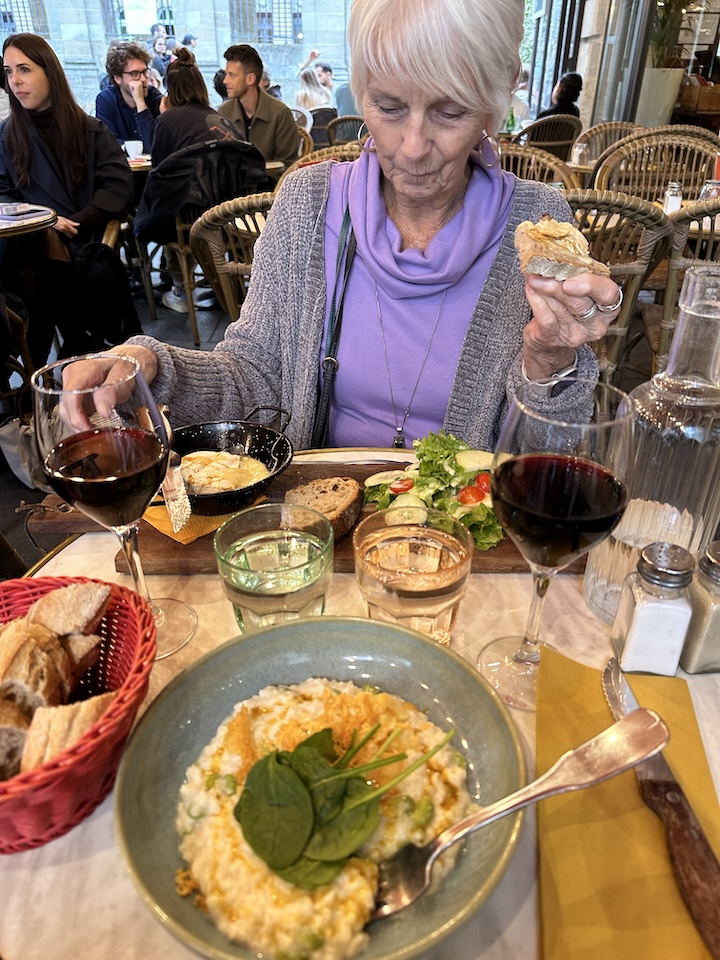
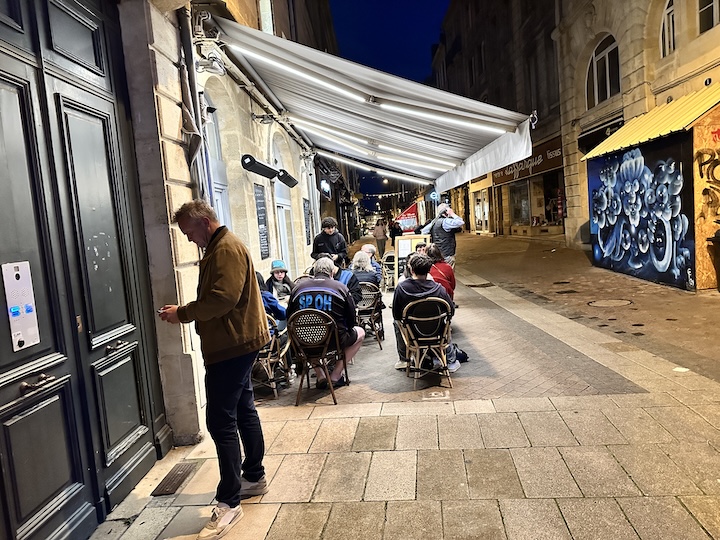
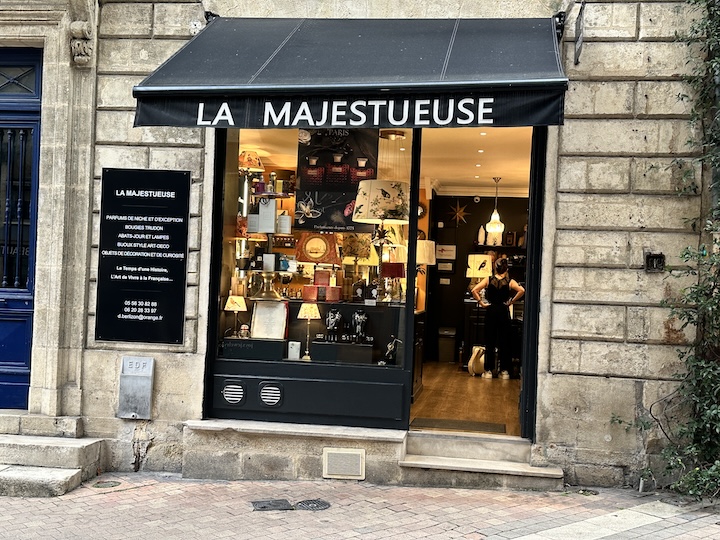
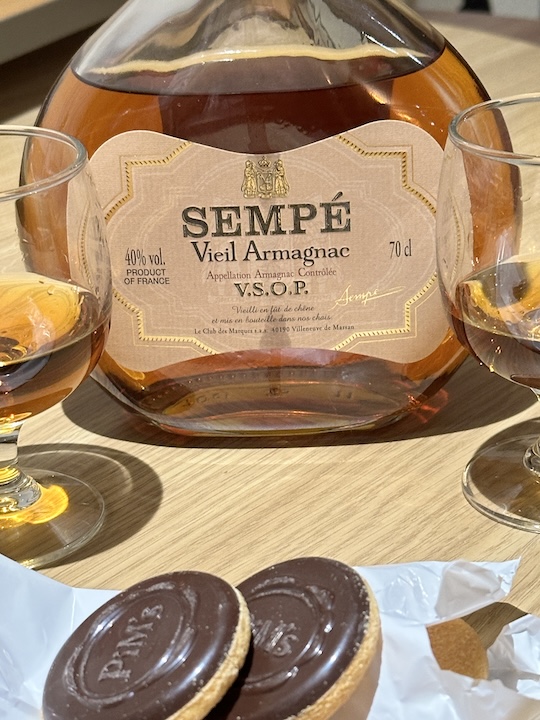
And back at the hotel we’ll enjoy a few cookies with a tot of fine golden Armagnac before collapsing into a good night’s rest.
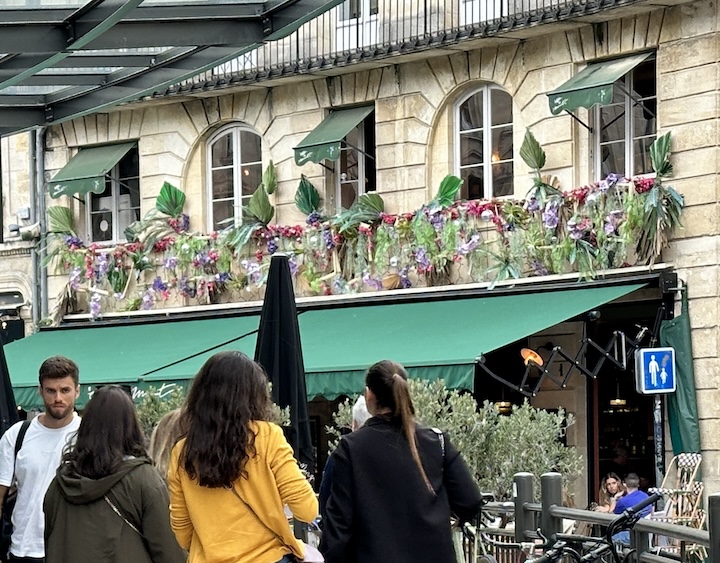
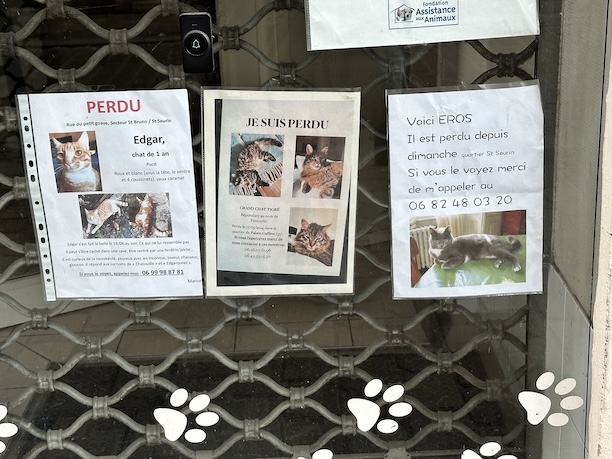
We spend our last full day exploring more of this diverse city, passing signs for an upcoming international film fest, enjoying the plant-filled balconies overlooking a fine coffee shop just below. The old Jewish section and its tragic memories remind us that European history also contains atrocities among all the beauty. And of course there’s a “Lost Cat” poster, as we’ve seen in almost every city we’ve ever visited.
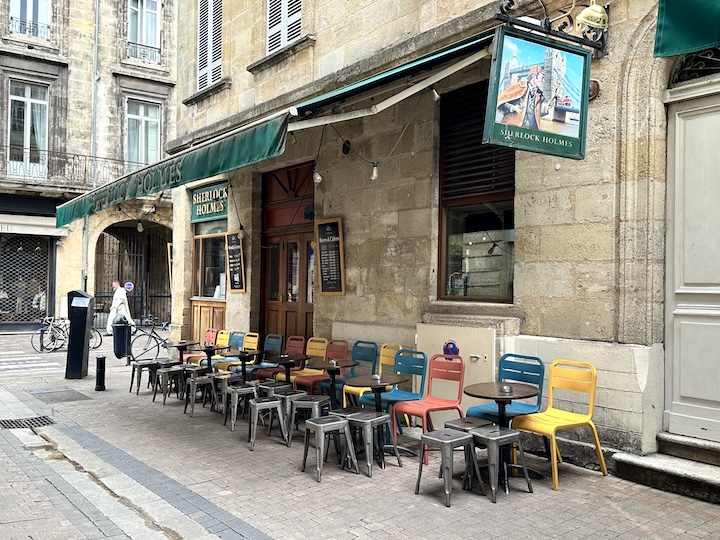
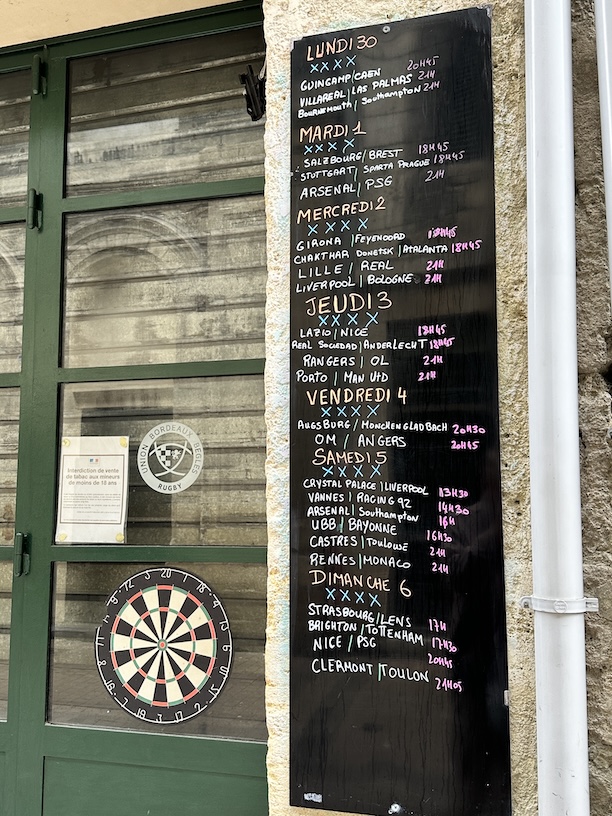
They even have a Sherlock Holmes pub, with a full listing of the coming week’s Euro-fútbol matches that will be playing on the big screens inside. What a nice way to enjoy a pint or two, and maybe a hearty shepherds pie. But it’s still morning and we’re not all-day boozers.
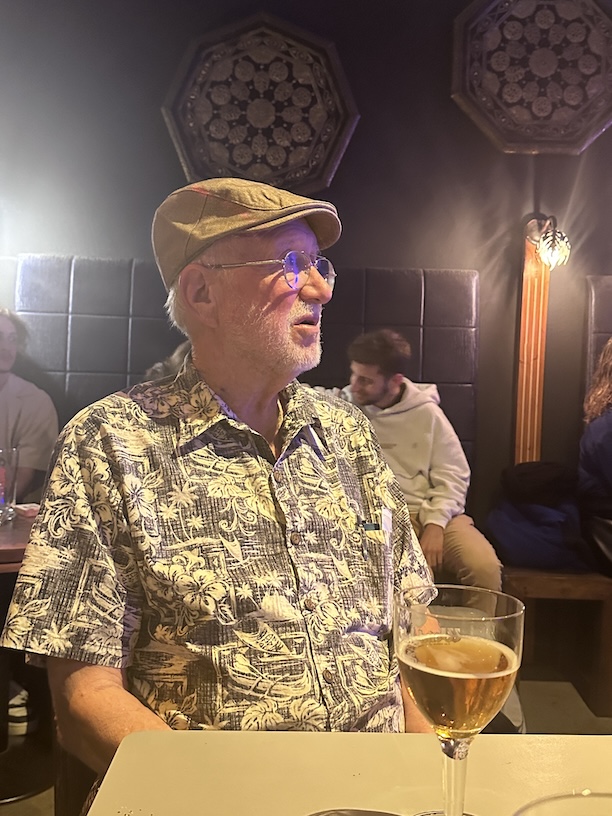
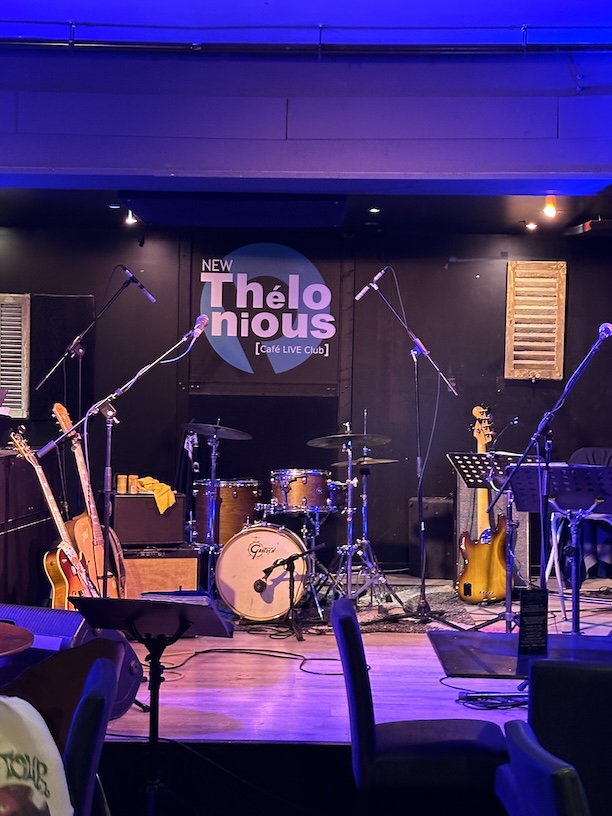
We’re wishing we had more time to spend in every one of the many places we’ve managed to visit on this trip. It’s such a big world out there and there’s so much still left to do. And this afternoon we’re making our way toward a local jazz bar called the New Thelonious Café LIVE Club. It’s a cool little joint on a back street near the port, and the music, inspired by the great Thelonious Monk, becomes an excellent part of our last evening in town.
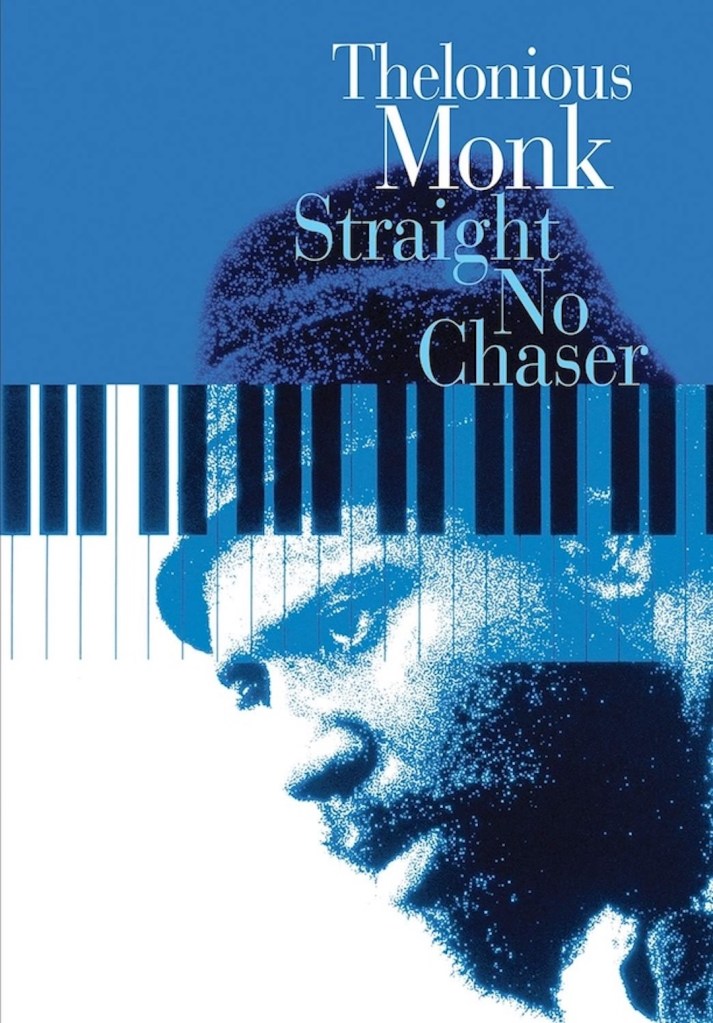
Monk had a unique and challenging vision for the piano and he was an innovator of atonality that led other jazz greats into their own inspired creations. He played with almost all of the most important jazz masters of the day, including Miles Davis, Dizzy Gillespie, John Coltrane and Charlie Parker, although he was not adept at self promotion and generally preferred to hang out in New York where he was most comfortable. He has been described as, “A brilliant composer and criminally underrated pianist whose sense of rhythm, space, and harmony made him one of the founders of modern jazz.” (Wikipedia). His 1944 piece, “Round Midnight” is the most recorded jazz number in history. And the 1988 movie, “Thelonious Monk: Straight, No Chaser,” produced by Clint Eastwood, is worth a watch for anyone who’s seriously interested in jazz.
In the morning we’re on the train again, and it will be about the longest travel day of our entire three month trip. There are frequent departures from Bordeaux to the Montparnasse station in Paris, where we’ll have to take the Métro across town to the Gare du Nord station.
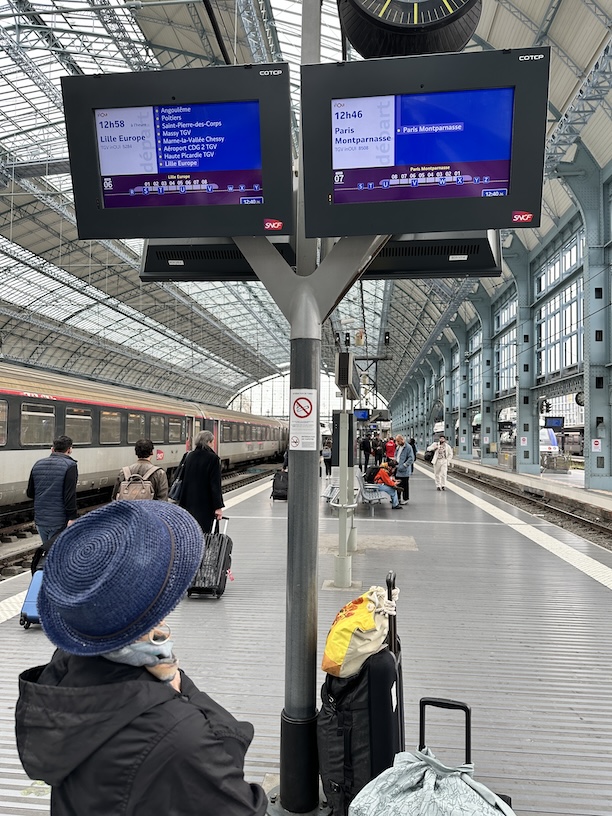
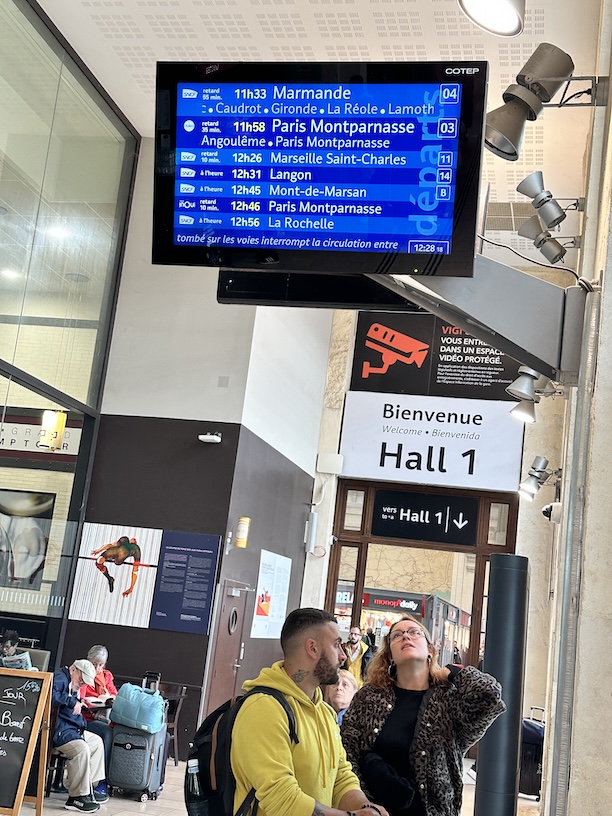
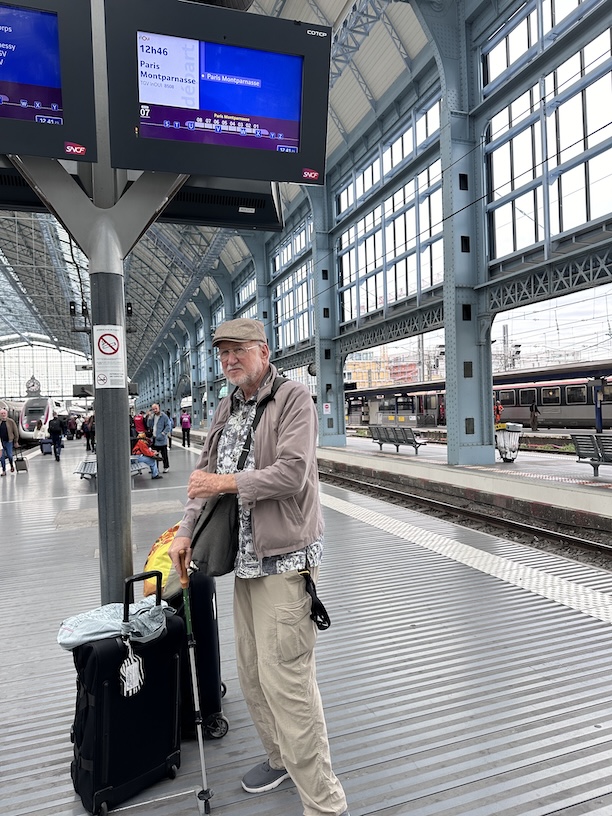
And from there we’ll catch a train to intriguing Rotterdam. It will be a long travel day, so please join us soon for the final stop on our 2024 Euro adventure! — PRW
 Wilkes/Kinsman dispatches
wow, love this presentation. Will be studying it for some time.
LikeLiked by 1 person