Sept 20-25, 2024
Dolceacqua has been a sweet and picturesque little town, and well worth the restful almost-week we spent there. But now we’re off for a different experience. We’re heading to the ancient university city of Montpellier, in southern France.
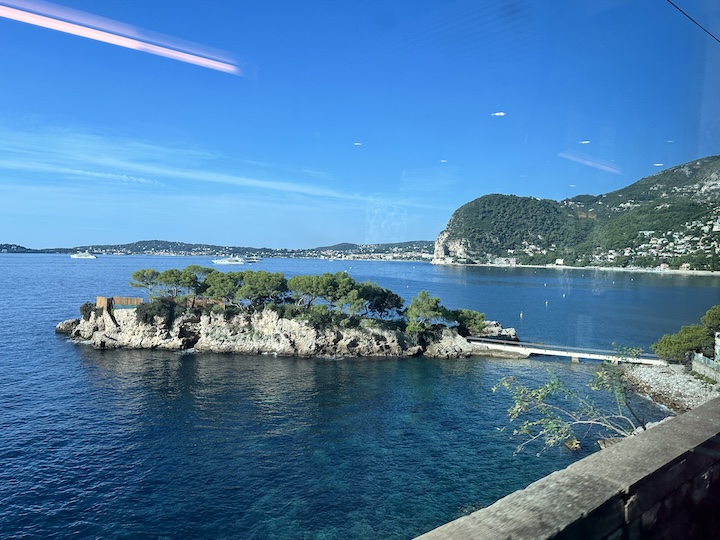
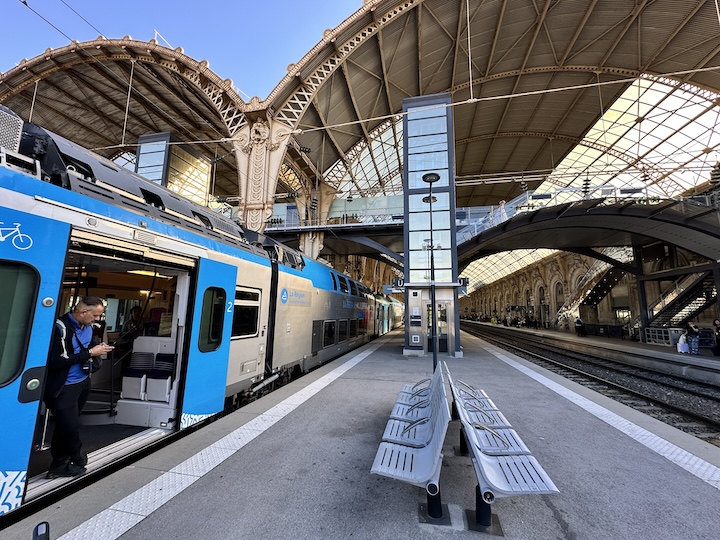
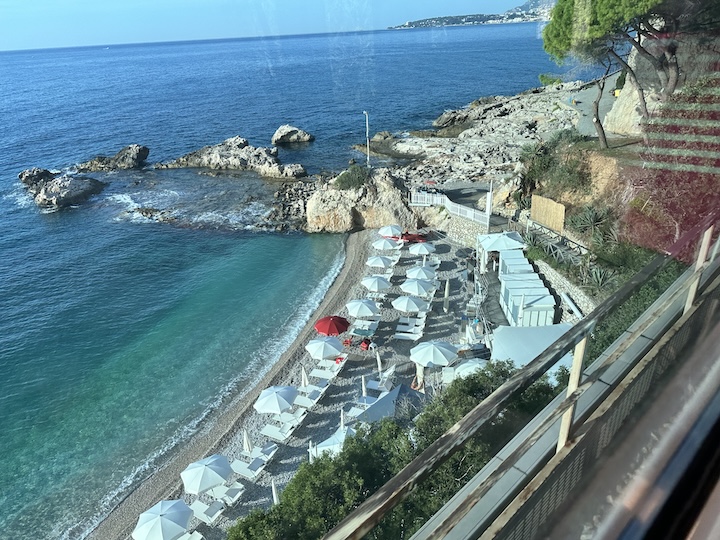
The rocky Ligurian coast of Northern Italy passes by our train windows, and soon we’ve crossed over the French border to make a change at the station in Nice.
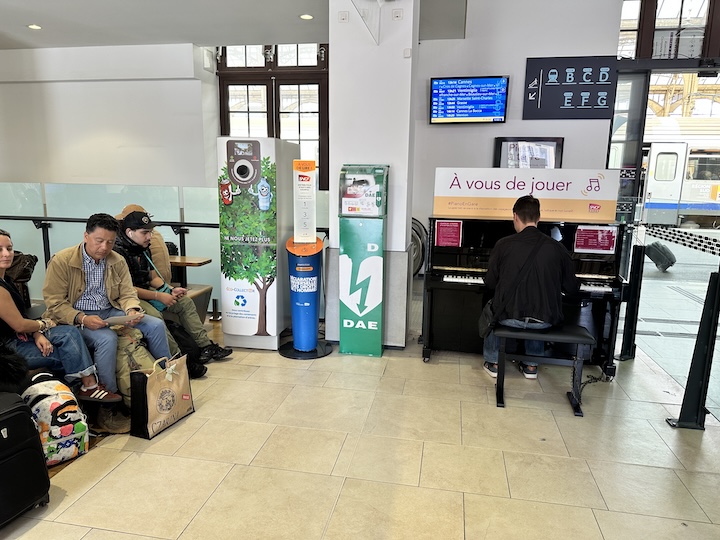
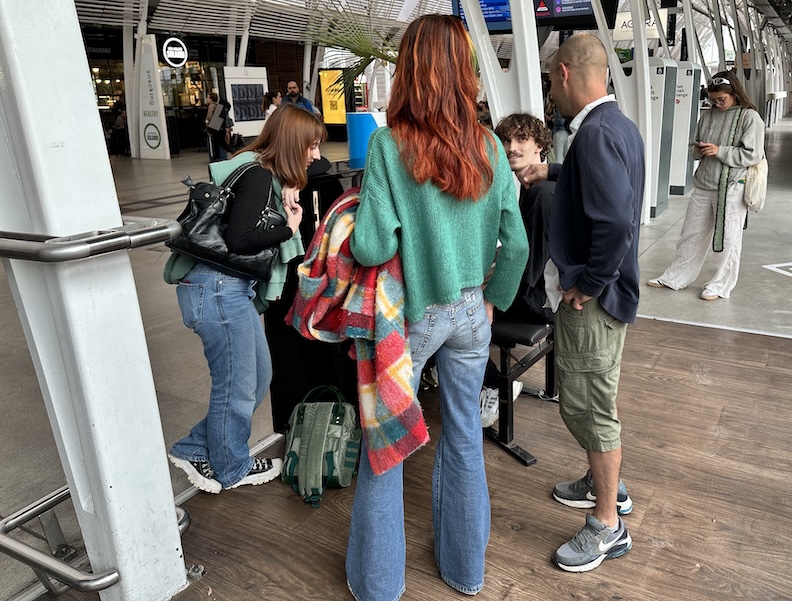
We can usually count on a talented person to take a seat at one of the public pianos that are thoughtfully provided in many Euro stations, And there is so much musical talent among the young people in Europe that they fill the place with fine music. The sign above the piano translates as, “It’s up to you.” (‘To bring this piano to life,’ I guess.)
It’s a day-long train ride from Nice to Montpellier, with a change in Marseilles, and soon we’ve crossed the Rhône river, racing past the old unused train station in Beaucaire. It brings back fond memories of a month we spent in that small riverside town several years ago.
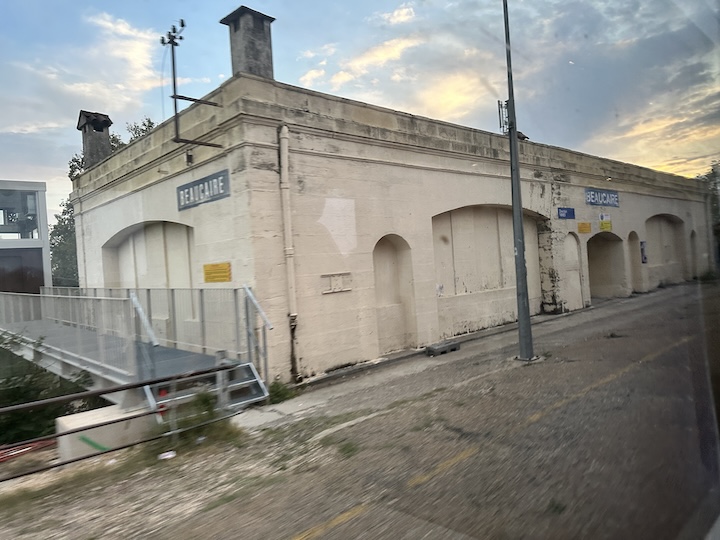
Our dispatch from Beaucaire (& Marseilles) I is included in the Past Dispatches Archive on this site: 45. Summer 2016 – Paris. Beaucaire 1 & 2. August 2016.
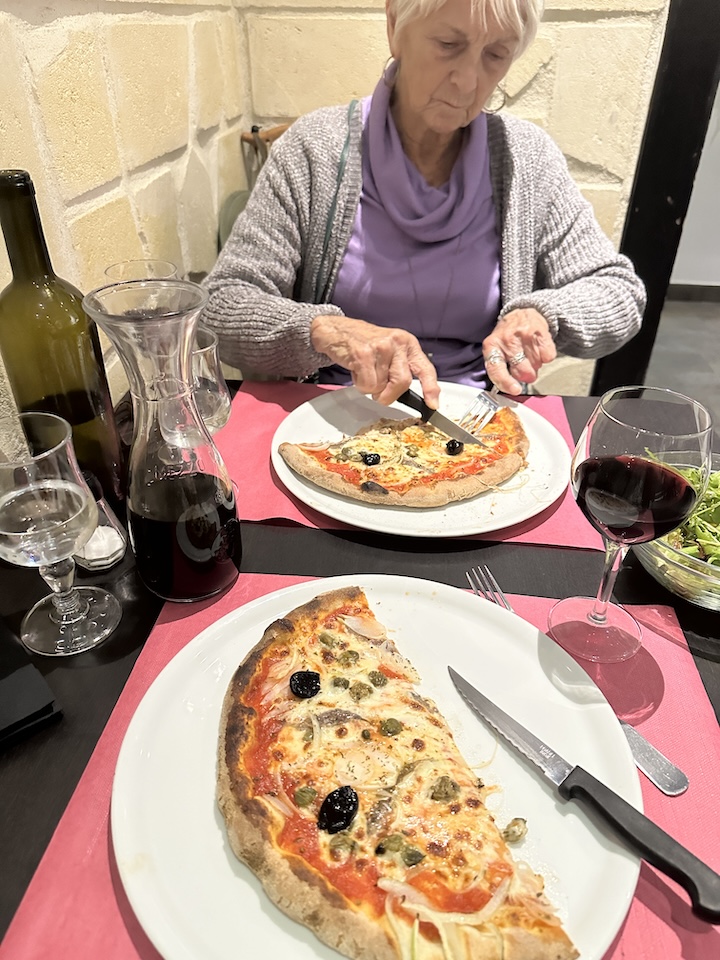
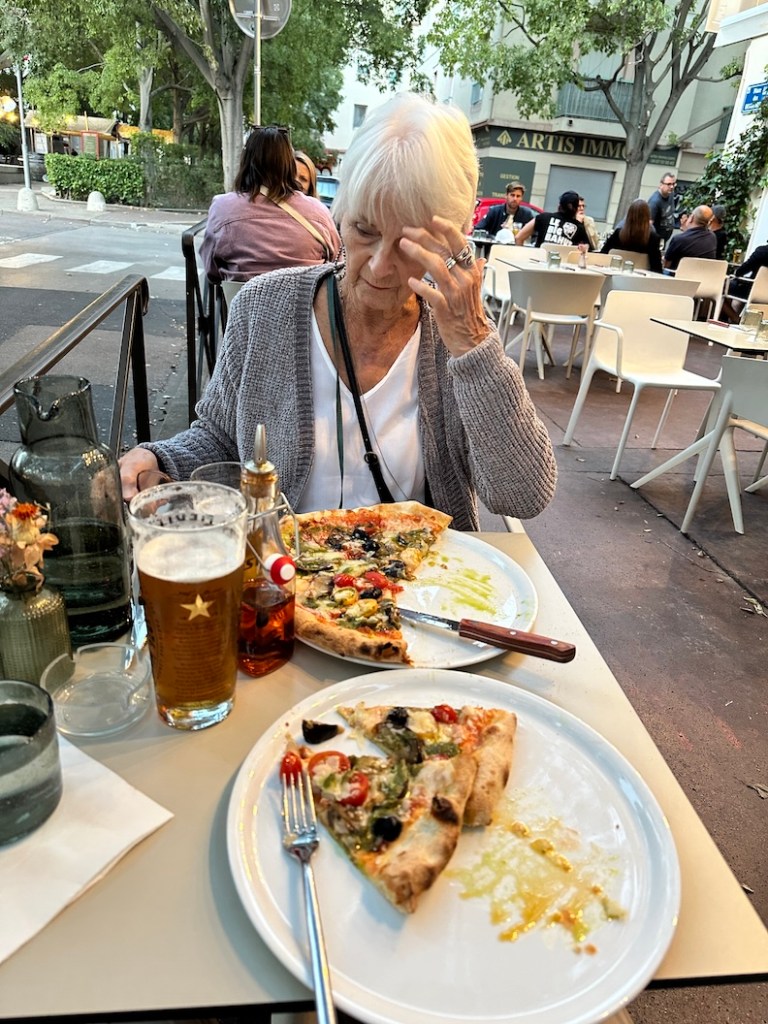
We arrive at Montpellier in the early evening to a very nice apartment in a quiet neighborhood. Soon we’ve found a friendly nearby eatery called Chez Vincent to share tables with the locals and enjoy an excellent pizza. There’s also an ample pichet of local wine to brighten the night.
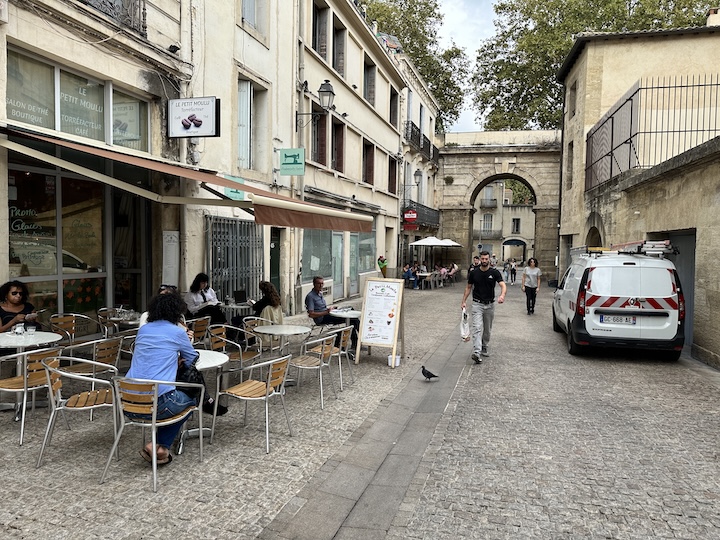
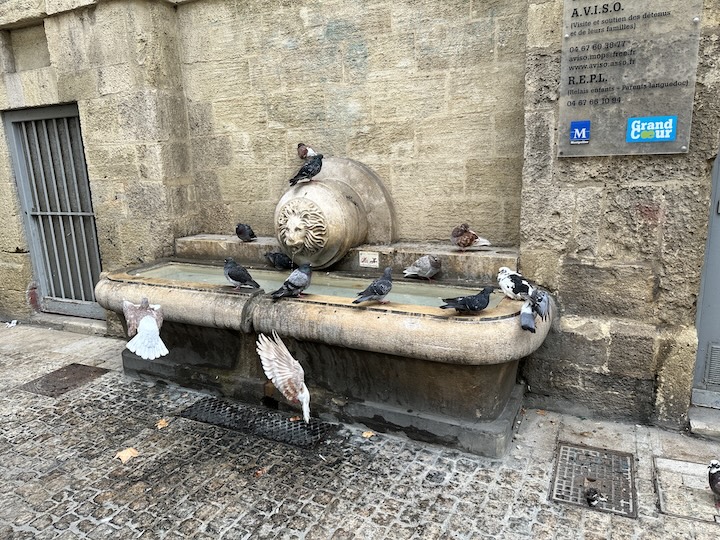
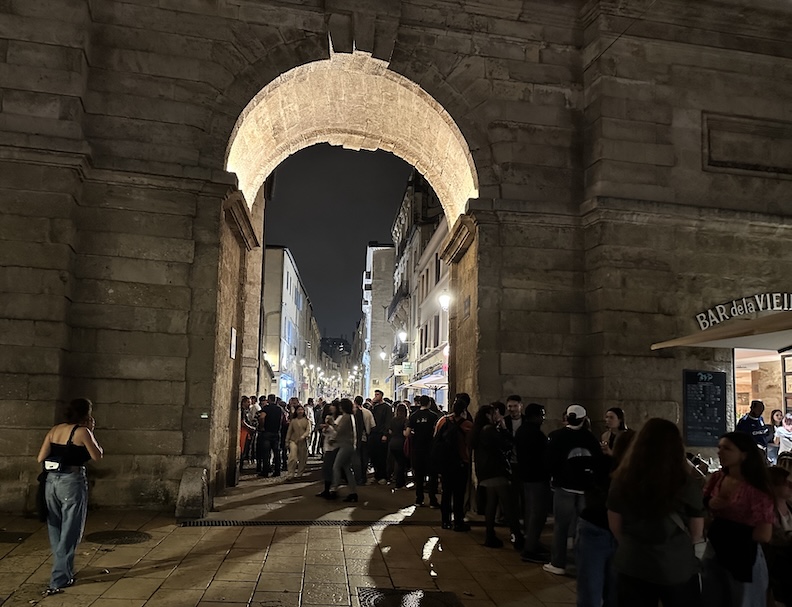
Montpellier is home to one of the oldest universities in Europe, dating to its official first statutes issued by the abbot Conrad of Urach in 1220. We like university towns for their reasonable rentals, easy public transportation, good food, youthful energy, and varied cultural activities, so it’s time we stopped in Montpellier. And in the morning we’re off through the old stone entry archway in search of a student-haunted coffee shop – one that also offers fine pastry.
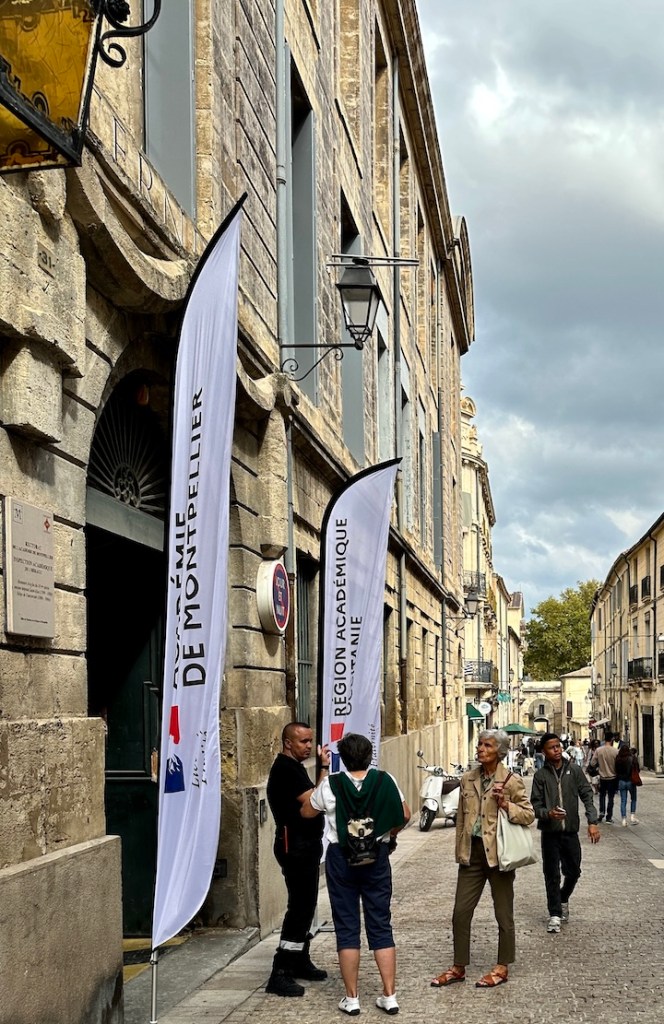
Evidence of higher level teaching in Montpellier actually goes back centuries earlier than the official date of 1220. It’s even likely that the schools of liberal arts date from the ancient Gallo-Roman tradition following masters of rhetoric. The school of law was founded in 1160 by Placentinus, from the University of Bologna. And the school of medicine dates to scholars from Muslim Spain as early as 1137; it’s considered the world’s oldest medical school still in operation.
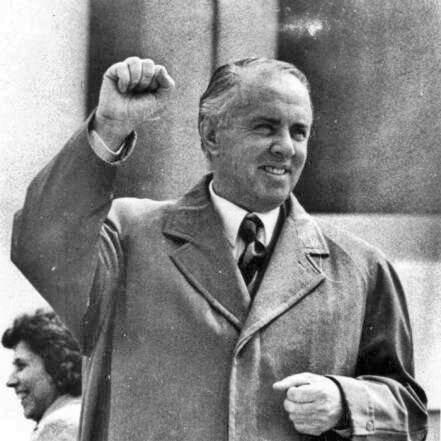
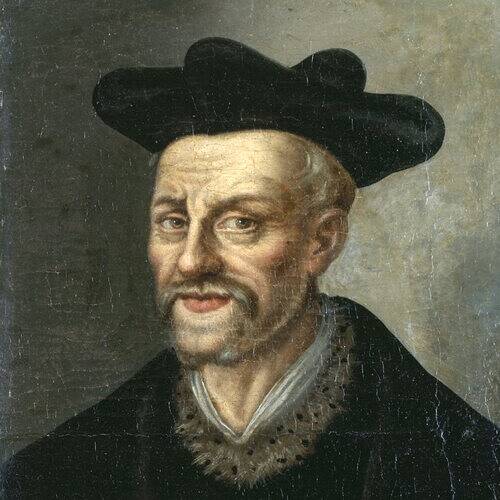
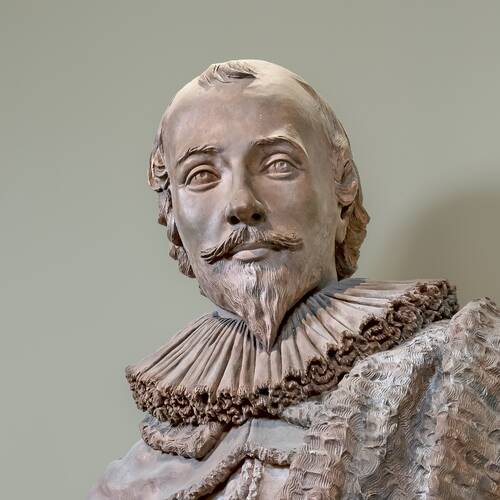
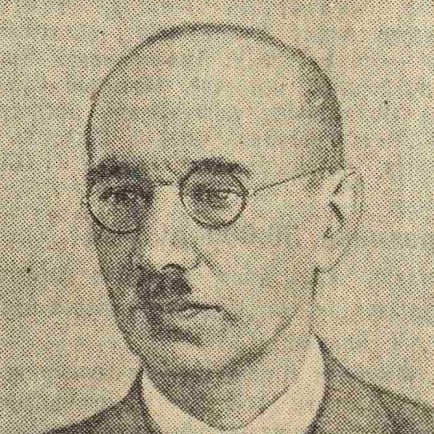
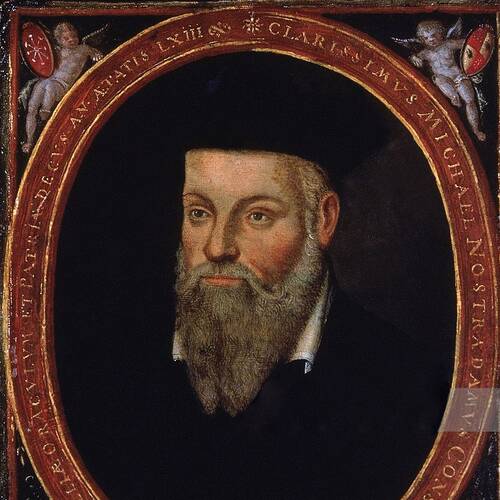
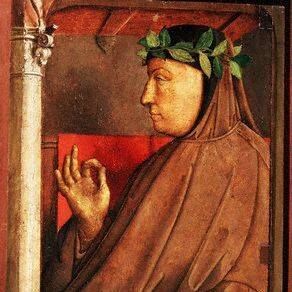

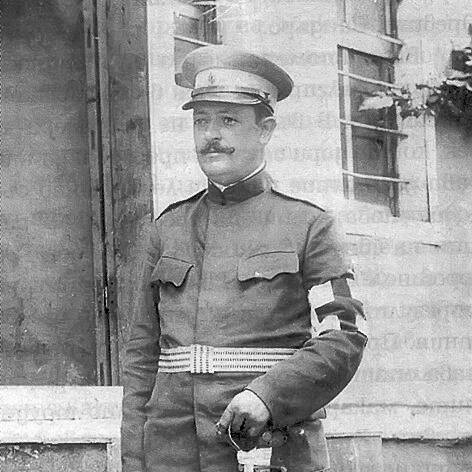
Some of the university’s more noteworthy graduates and teachers have been Nostradamus, Petrarch, Rabelais – and the infamous Guillaume de Nogaret, who conspired to arrest Pope Boniface XII. He was later counselor to both Pope Urban V, and the antipope (!) Benedict XIII.
Other famous graduates include Enver Hoxha, the longtime dictator of Albania; Sahle-Work Zewde, the first woman President of Ethiopia; Mikhail Gurevich, designer of MiG aircraft for the USSR; and Stamen Grigorov, who discovered the Lactobacillus bulgaricus used in the making of yogurt.
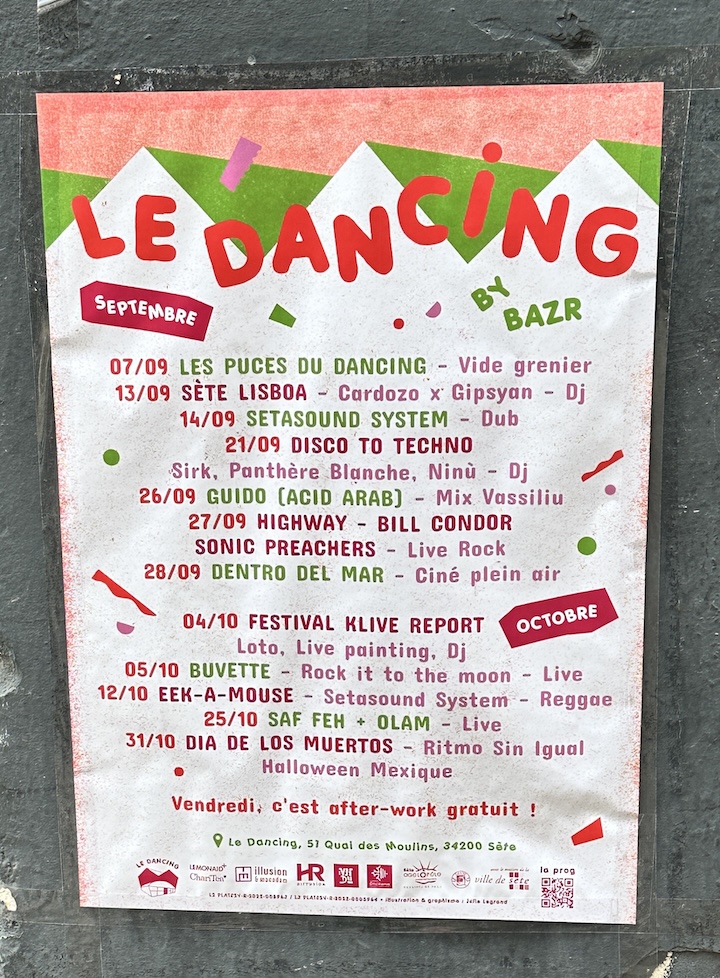
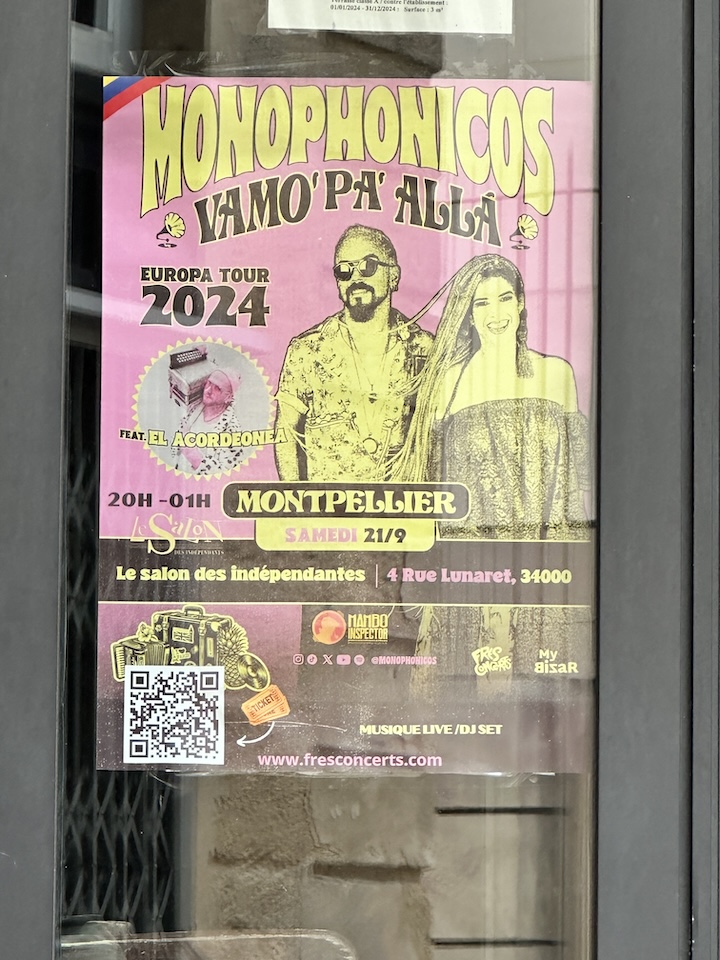
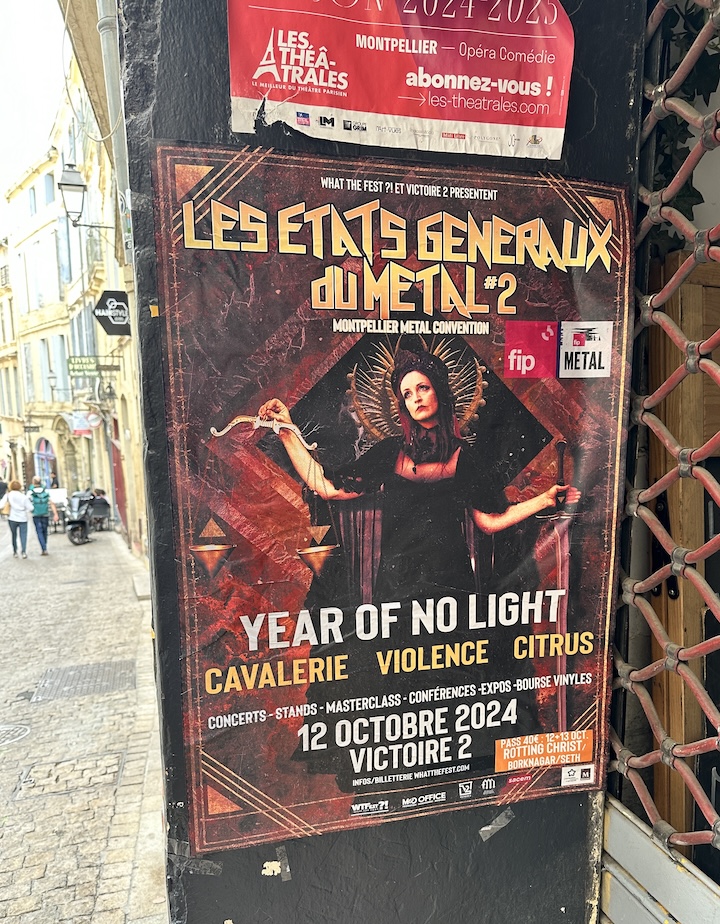
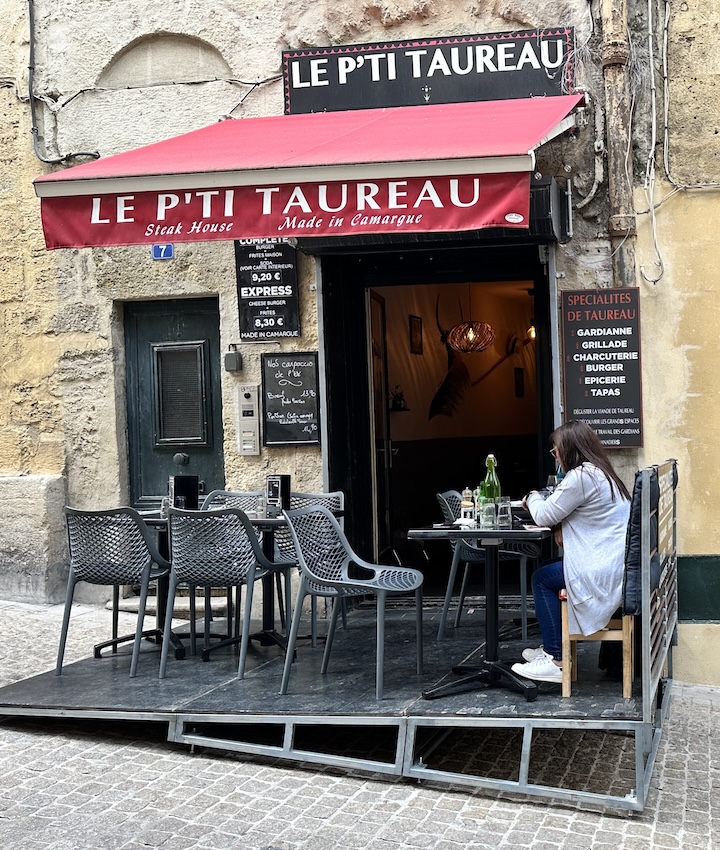
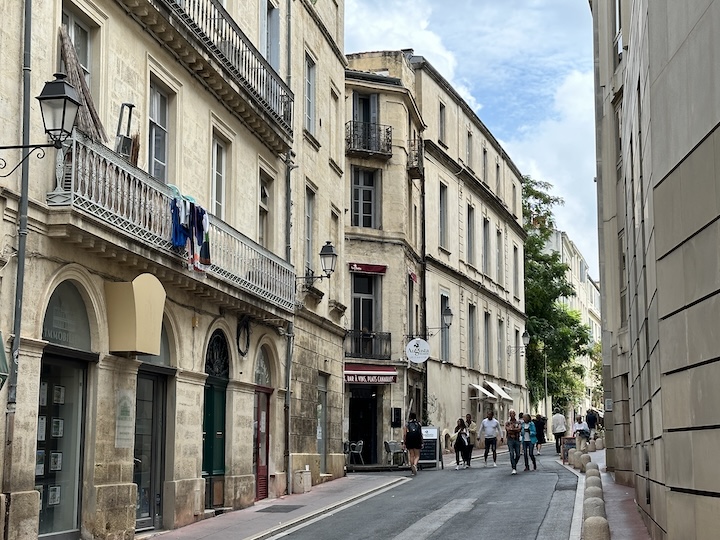
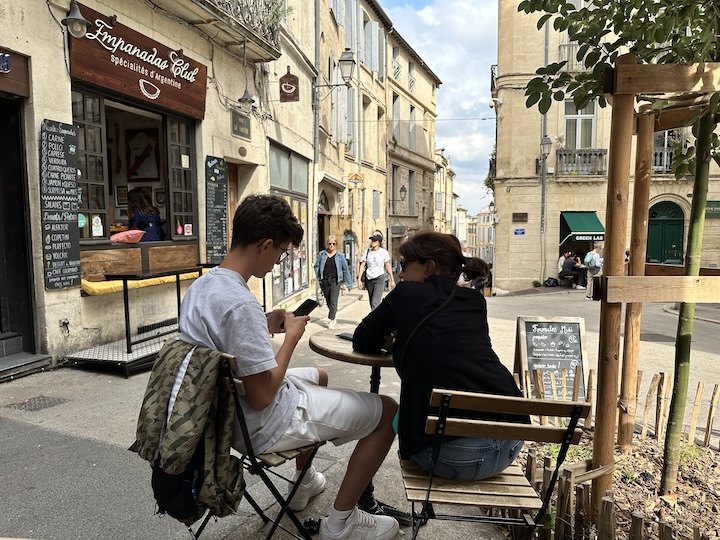
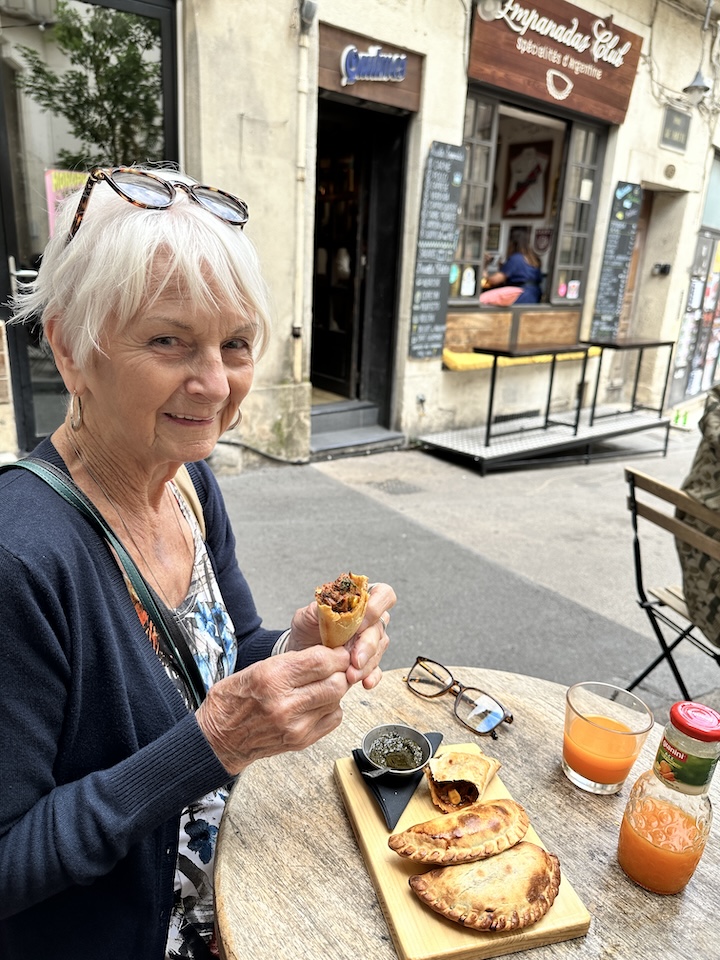
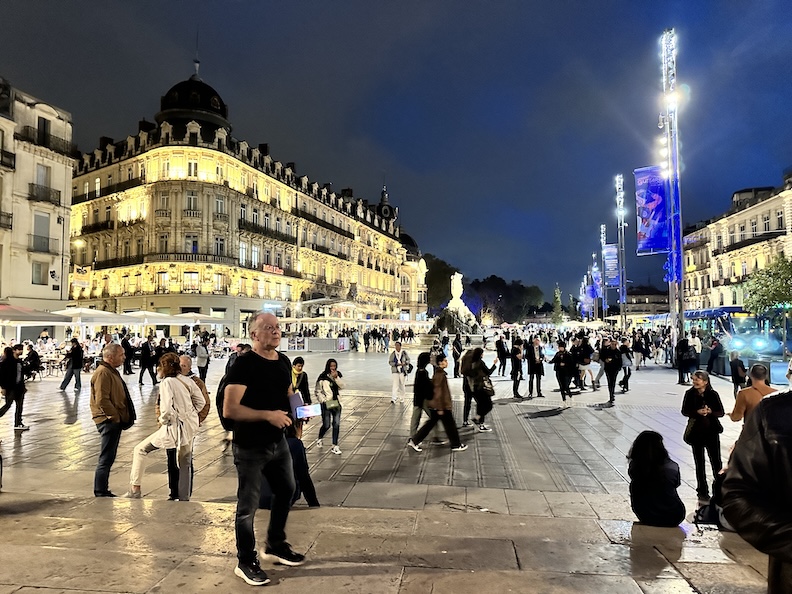
There’s no actual mountain in Montpellier, although the name might suggest otherwise, but the narrow streets of the old university district climb a large hill to the broad open Place de la Comédie at the top. And there are plenty of enticing eateries along the way. In the morning we had coffee and a pastry at the bottom of the hill, and the scent of Argentine empanadas along the Rue Foch soon convinced us that we were hungry again.
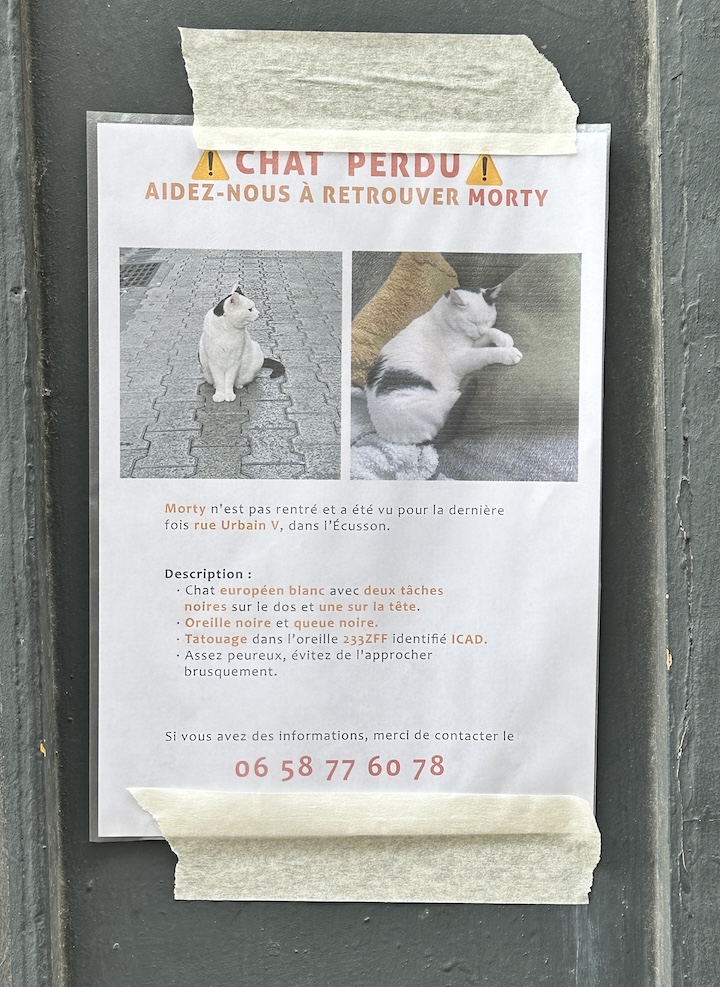
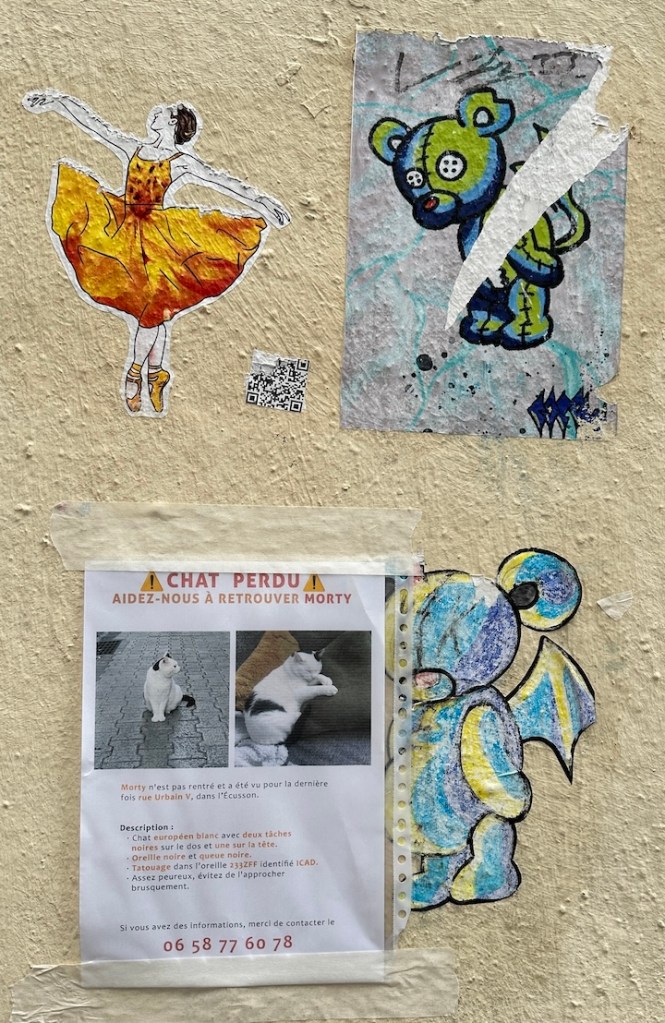
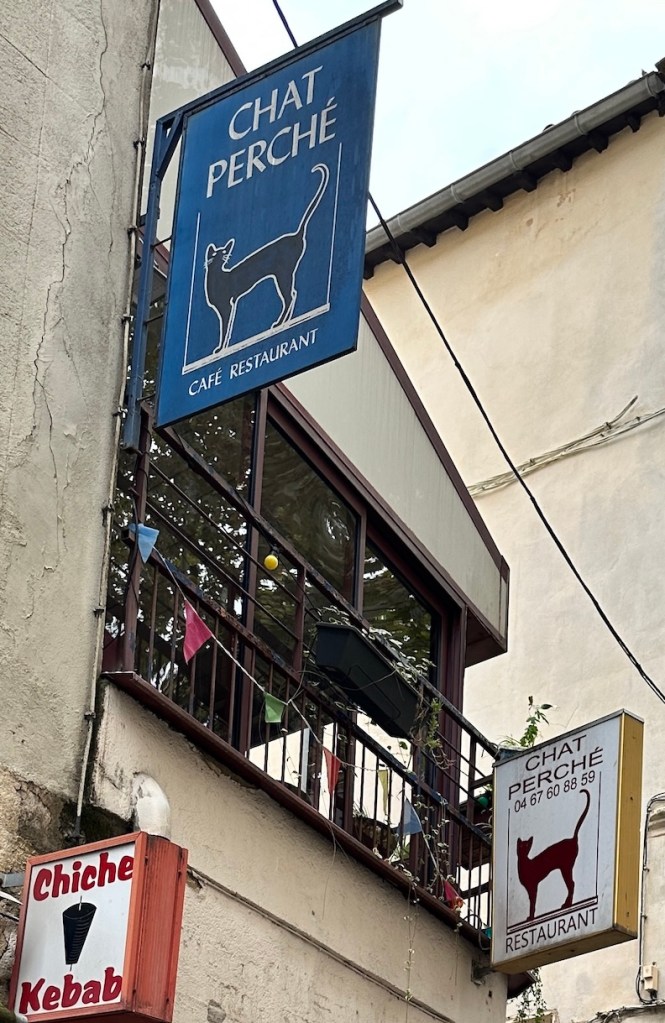
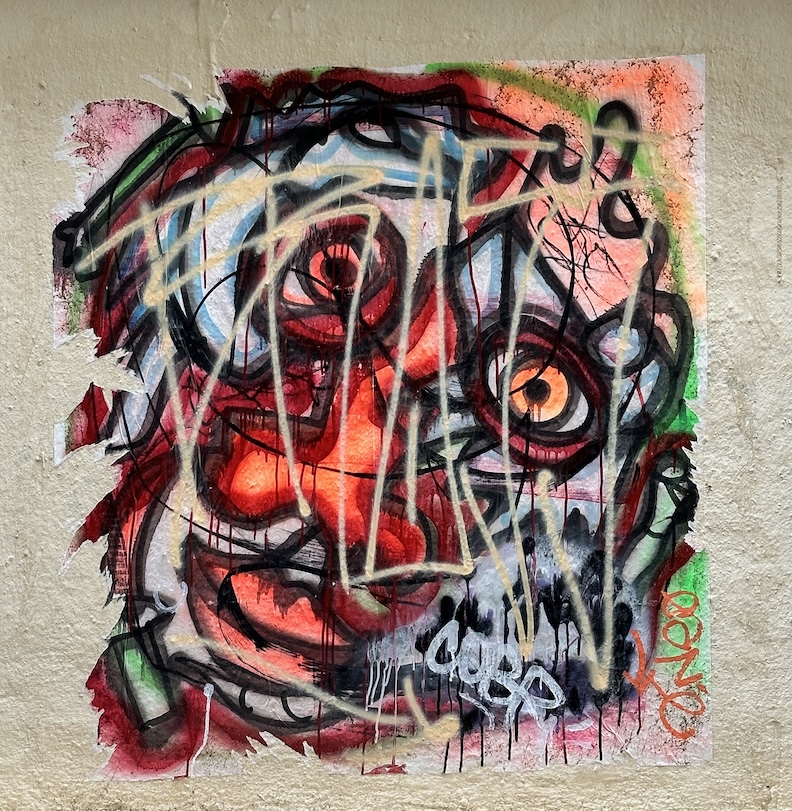
We spend the rest of the day exploring the ‘mountain’ and its many narrow streets with their interesting examples of wall art. And of course there’s a poster for a lost cat named Morty in this old university district.
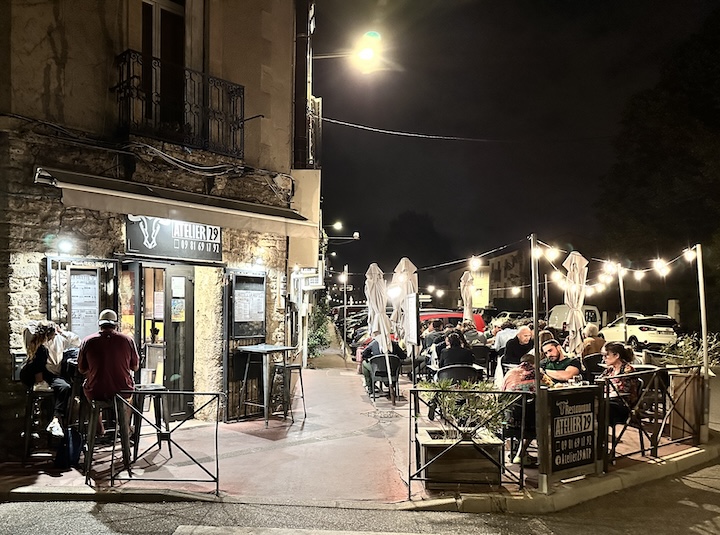
At the end of day, as nighttime finally blankets the town, the lights of a bistro named Atelier 29 beckon to us and we are like moths to the flame. And a delicious flame it is, with lots of grilled vegetables. For those who ask, “Ou est le bain?” (“Where’s the Bathroom?”), there’s a door at the back wall labeled “C’est ici” (“It’s here!”).

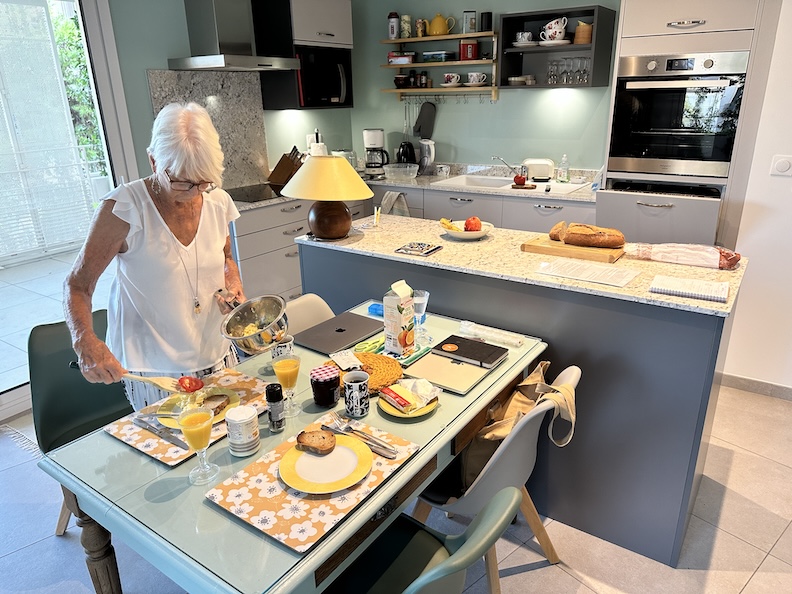
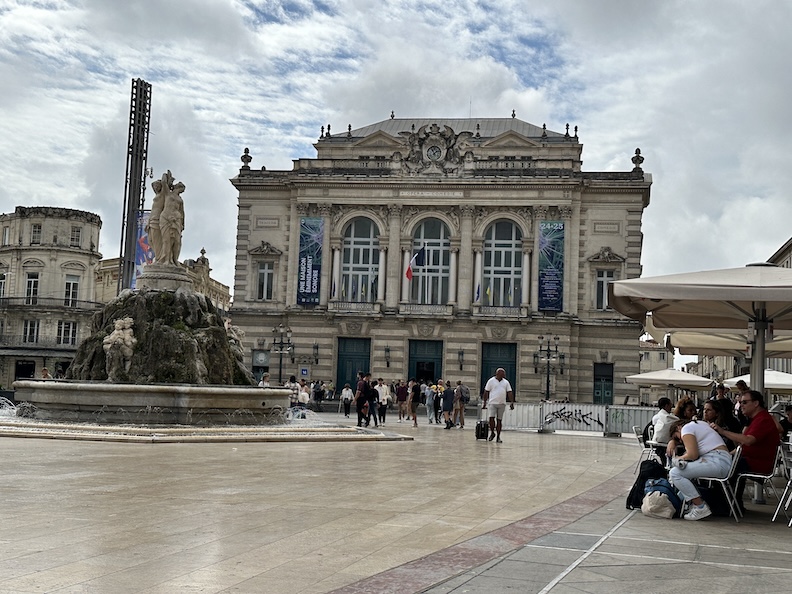
In the morning we enjoy a simple breakfast in our nice flat before we hop a tram for a cheap tour of the city. The tram takes us along tree-lined streets and across the Place de la Comédie, and we make a brief stop at the train station to get tickets to our next destination down the coast. And to enjoy some more of that good piano music we find in the train stations of Europe.
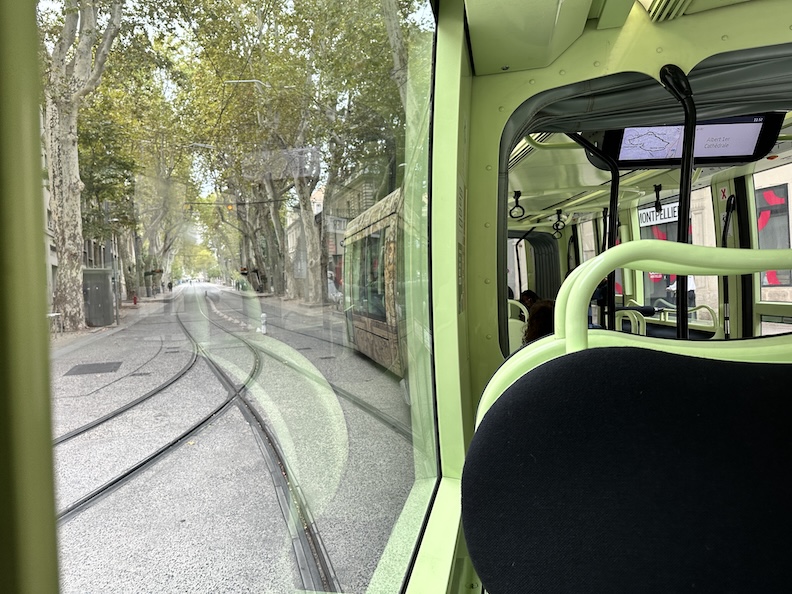
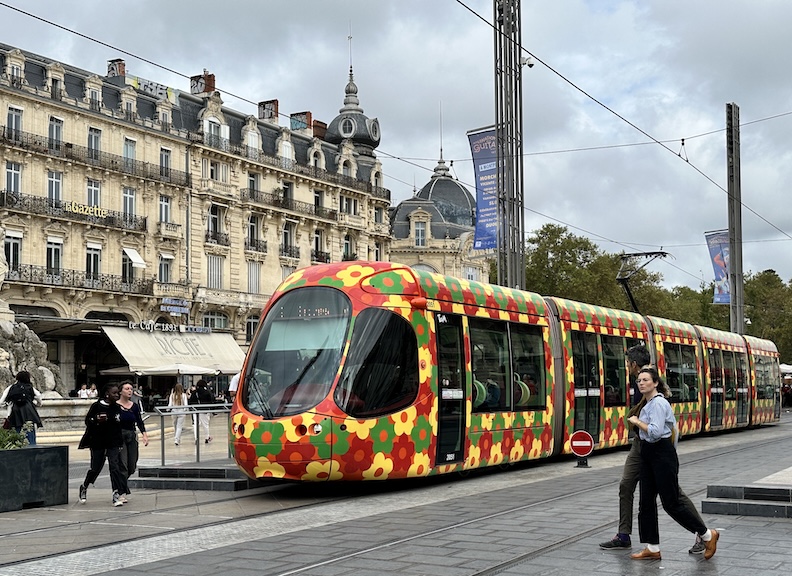
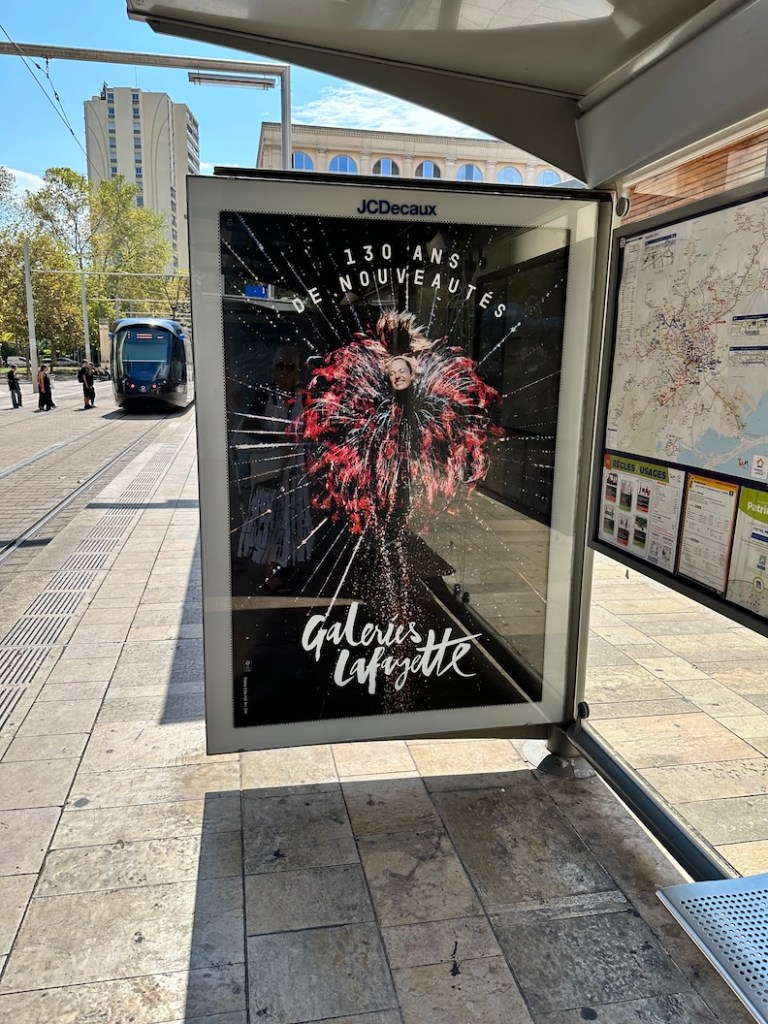
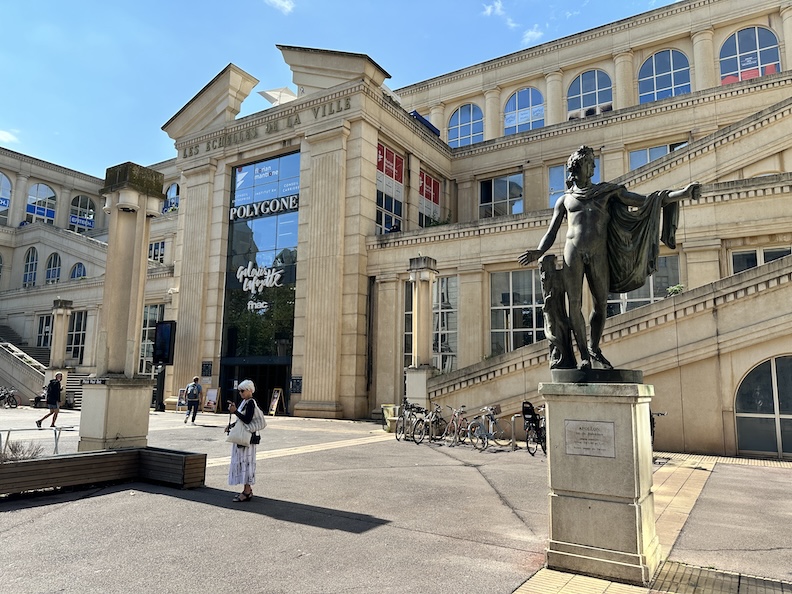
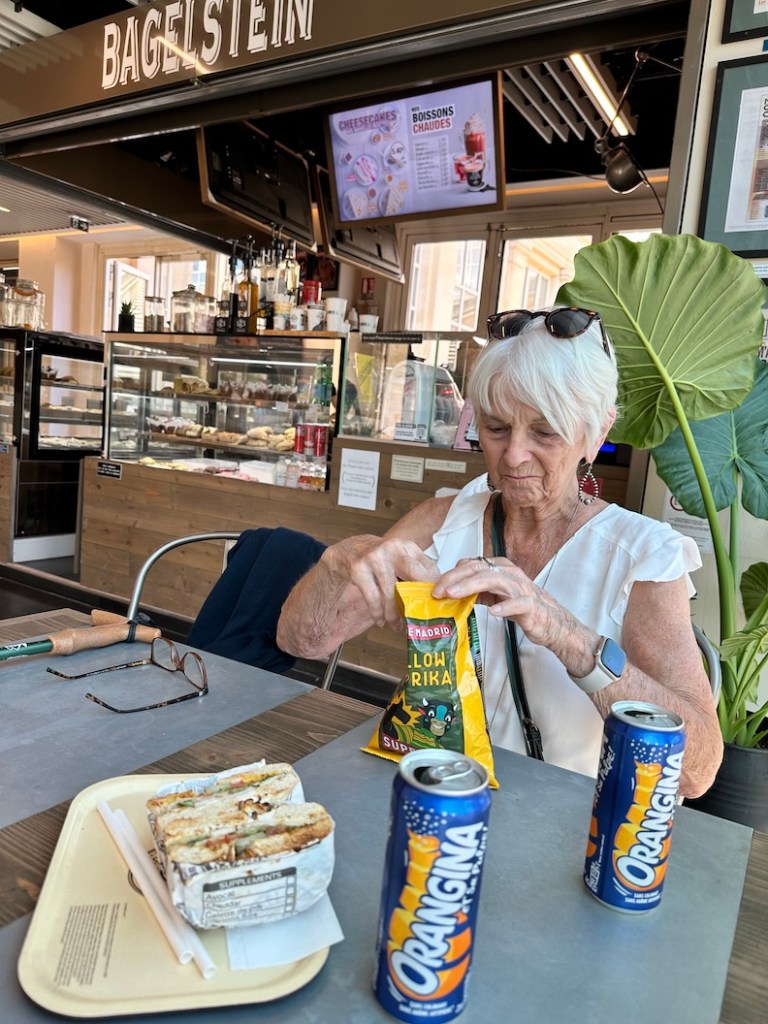
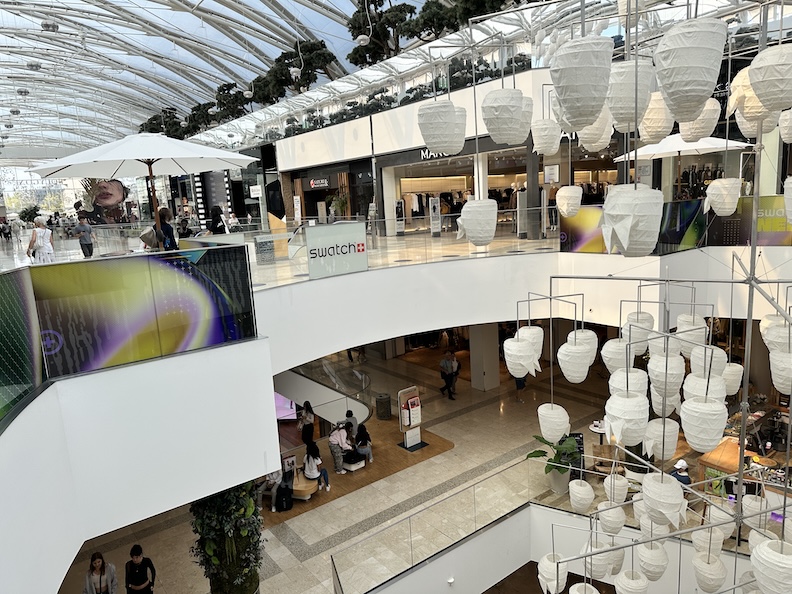
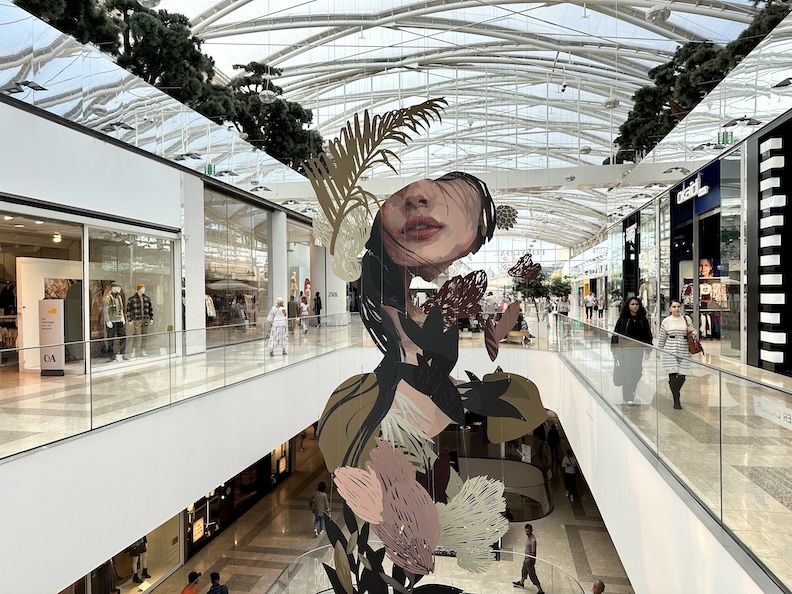
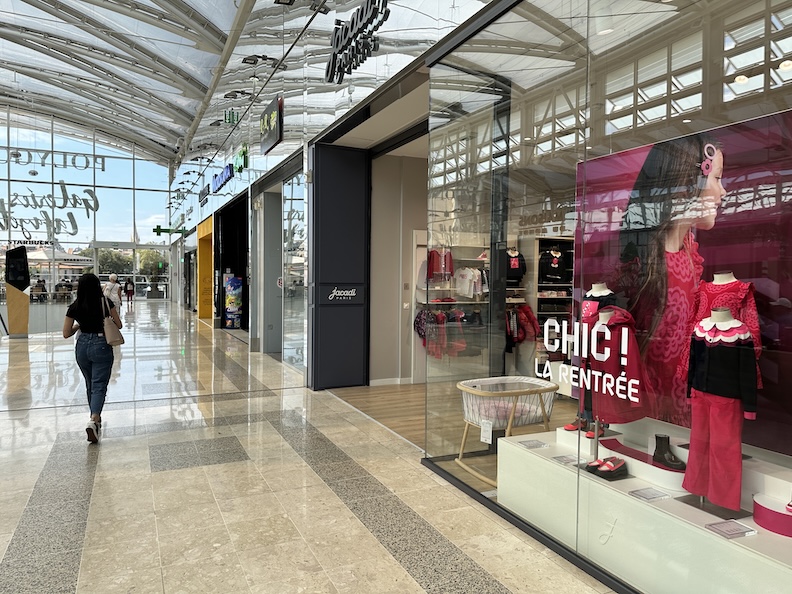
Our next tram rambles onward into modern developments, where there’s an Apple Store and a Costco at the end of the line. The return puts us into the developing urban Quartier Antigone, where we hop off by the statue of Apollo for a bite of lunch at the huge Galleries Lafayette shopping center. It’s late September, so there are plenty of sales still underway for ‘La Rentrée,’ French society’s annual Fall ‘re-entry’ into the working world after the Summer holidays.
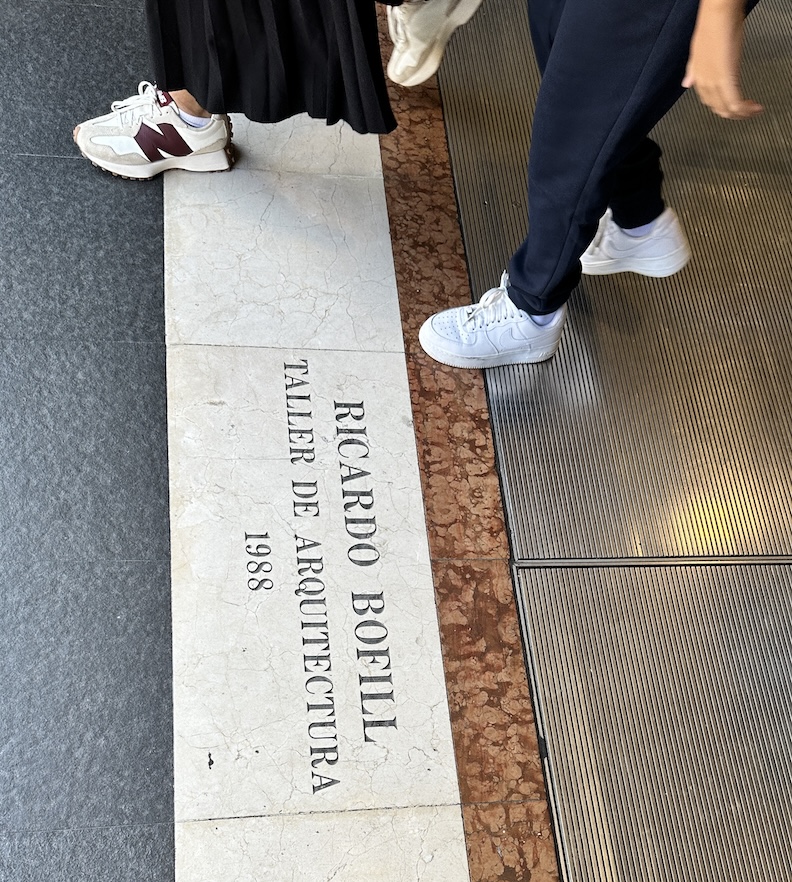
Just across the street is the ultra-classical Place du Nombre d’Or (Plaza of the Golden Mean), a mixed residential and commercial urban design project from 1999, by the noted Architect Ricardo Bofill, of Barcelona. He was an important modernist who was known for his ‘critical regionalism,’ an effort to correct the faceless and placeless lack of identity of the cold and sterile International Style. The broad entryway to the project leads to a quiet open walking space that’s sheltered from the noise of everything happening in the city. And there’s an eatery called “Pourquoi Pas” (“Why Not…”) that would certainly call to us if we hadn’t just had lunch.
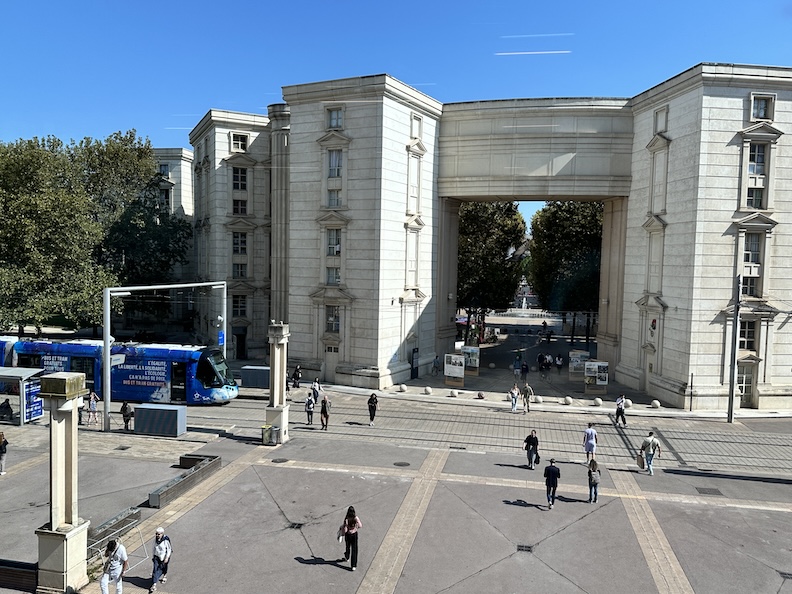
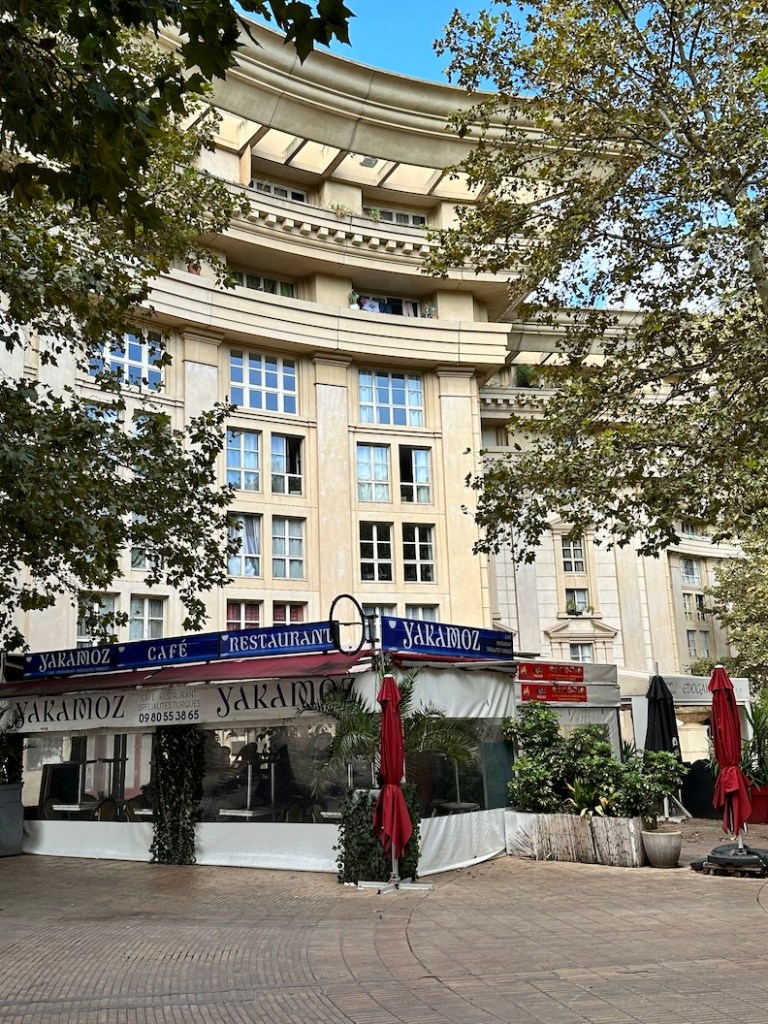
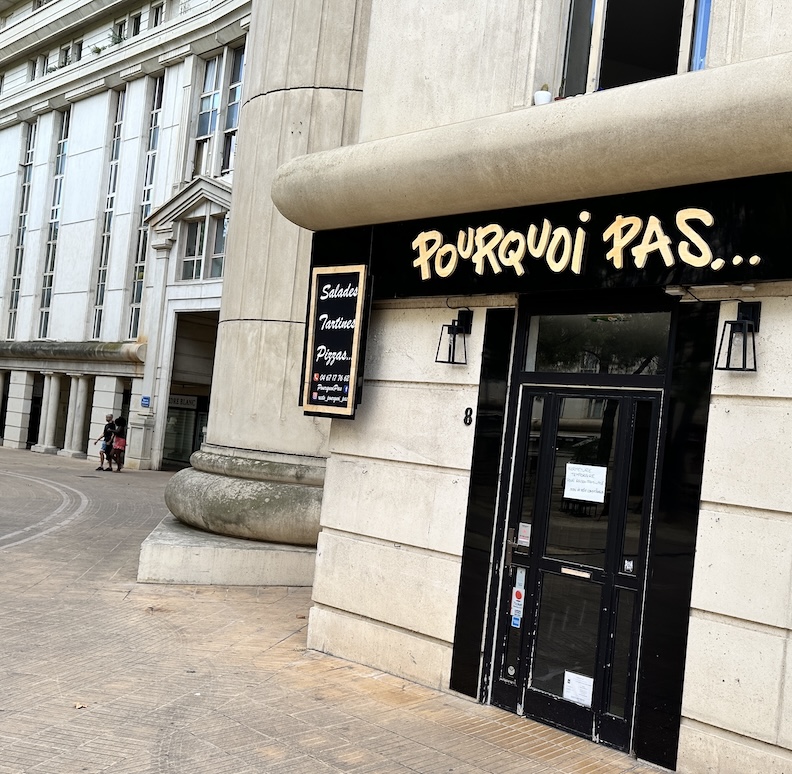
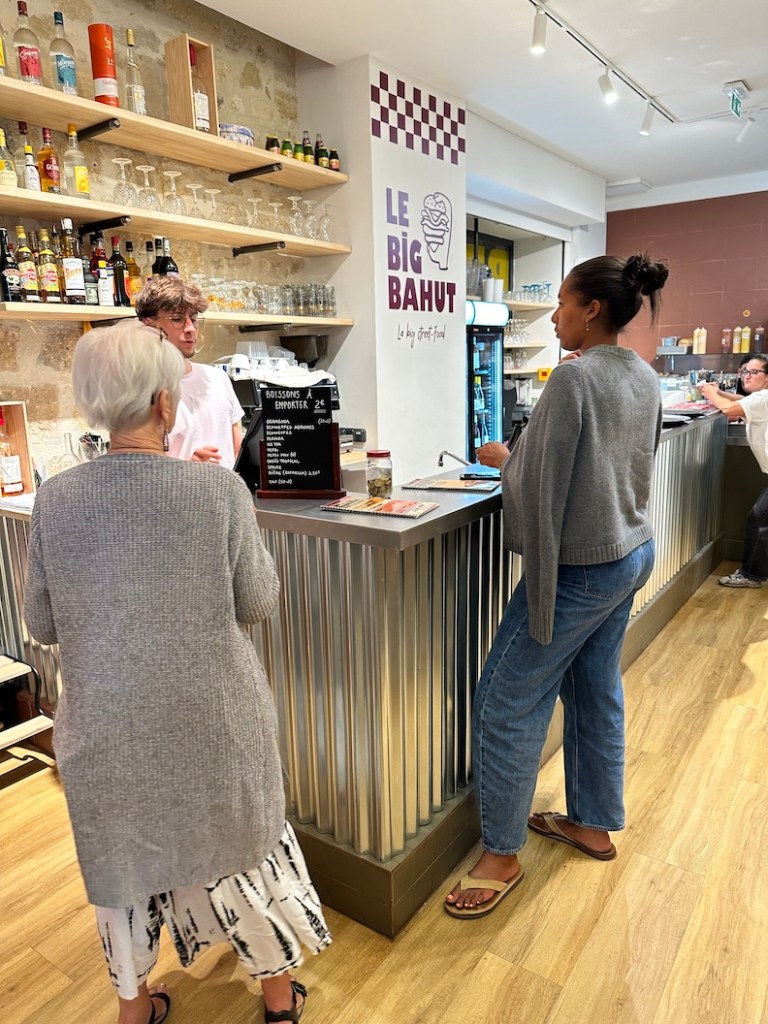
A further wander into the afternoon calls us back to the narrow streets and old alleys of the University district. And our nice rental on Rue Proudhon is near to several more quirky-good eateries, like Le Big Bahut, in an open-air public park.
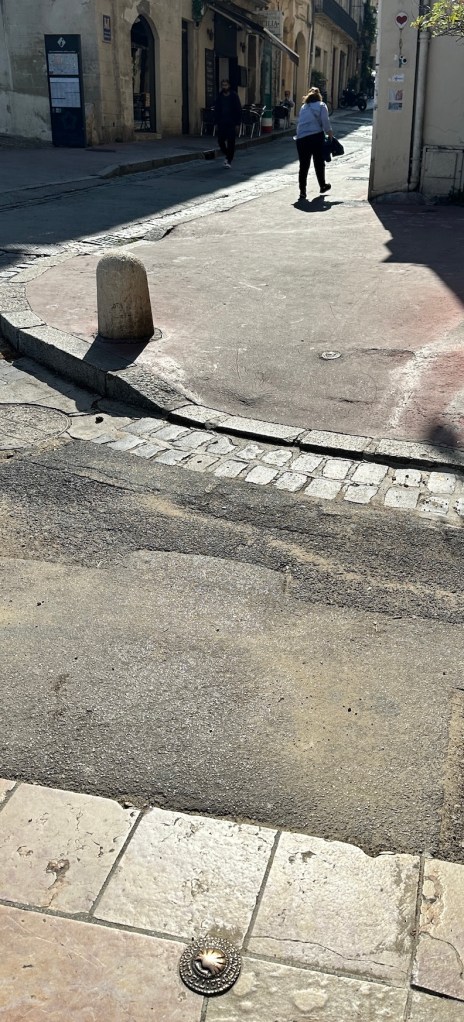
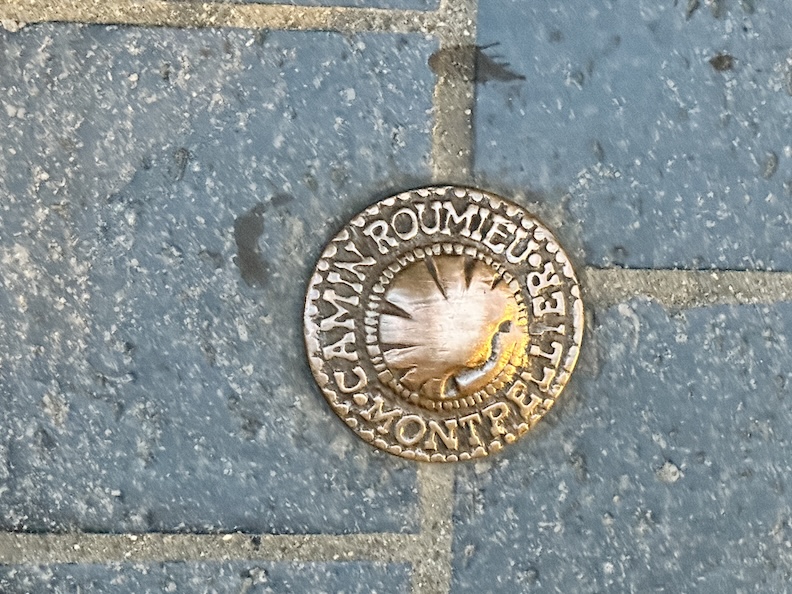
In our Euro travels we often find familiar markers that signify we’re on one of the many Vias, Caminos, Ways, Wegs, or Chemins that guide pilgrims across Europe to the famous shrine of Santiago de Compostela in Spain. Or in the other direction, to Rome. Or to boat embarkations for The Holy Land. These shiny brass markers in the pavement show the pathway through Montpellier along the Camin Roumieu, up the hill to the Place de la Comédie and down the other side, heading east through Arles and then onward to Rome. Or maybe we could go westerly from here across southern France to Spain. If you still have your hiking legs, there are lots of ‘ways’ to follow in Europe.
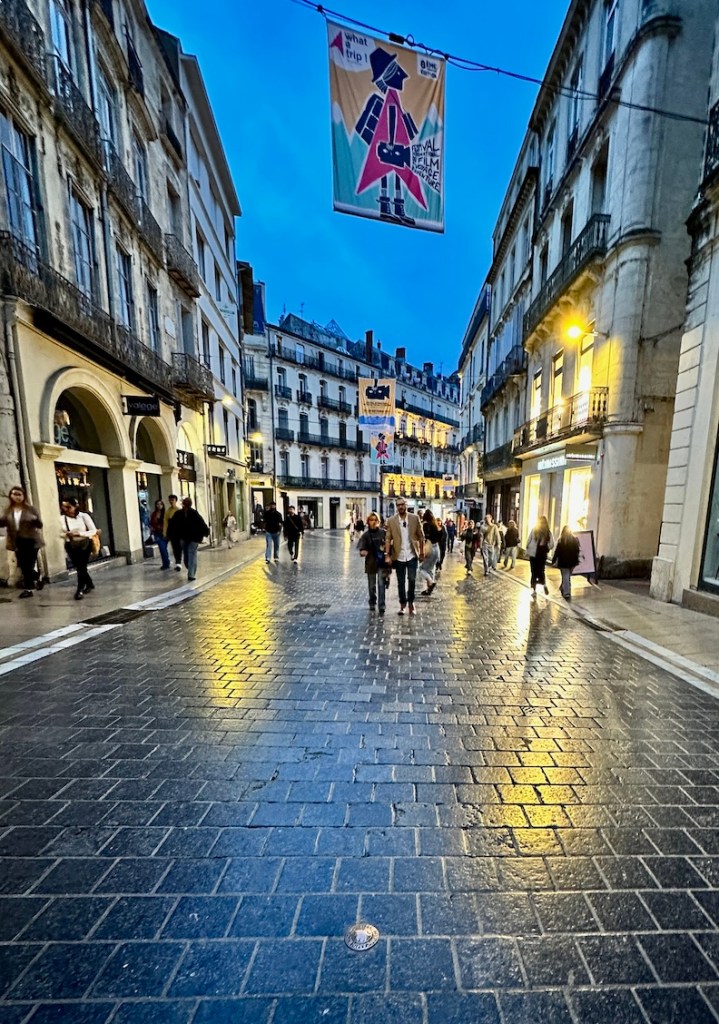
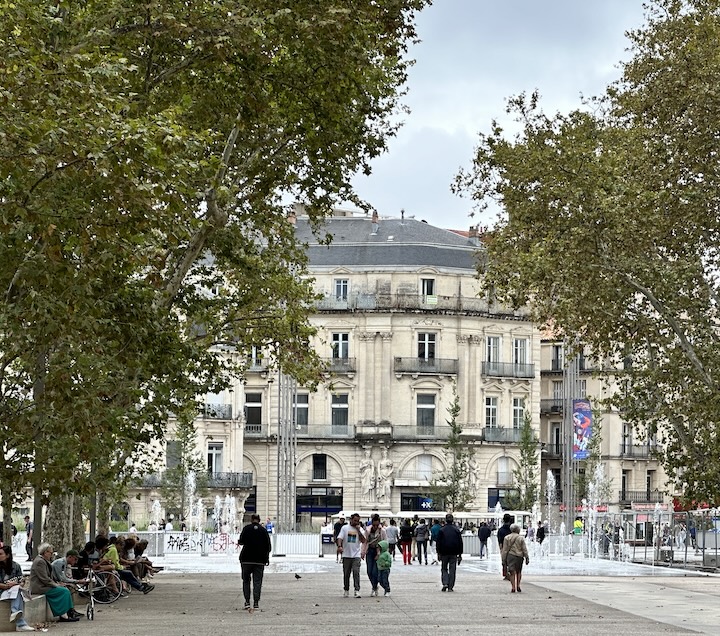
The Musee Fabres is recognized as one of the finest art museums in France and is located on the broad Esplanade Charles-de-Gaulle near the Place de la Comédie. The Museum’s wide-ranging collection includes works by Fragonard, Veronese, Bernini, Rubens, Brueghel the Younger, Zurbarán, Reynolds, Courbet, Delacroix, Dufy, Maillol, Soulanges, and de Staël.
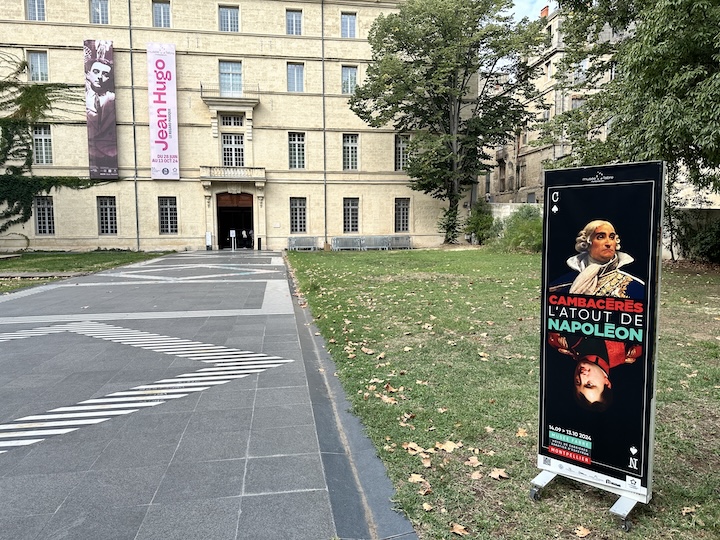
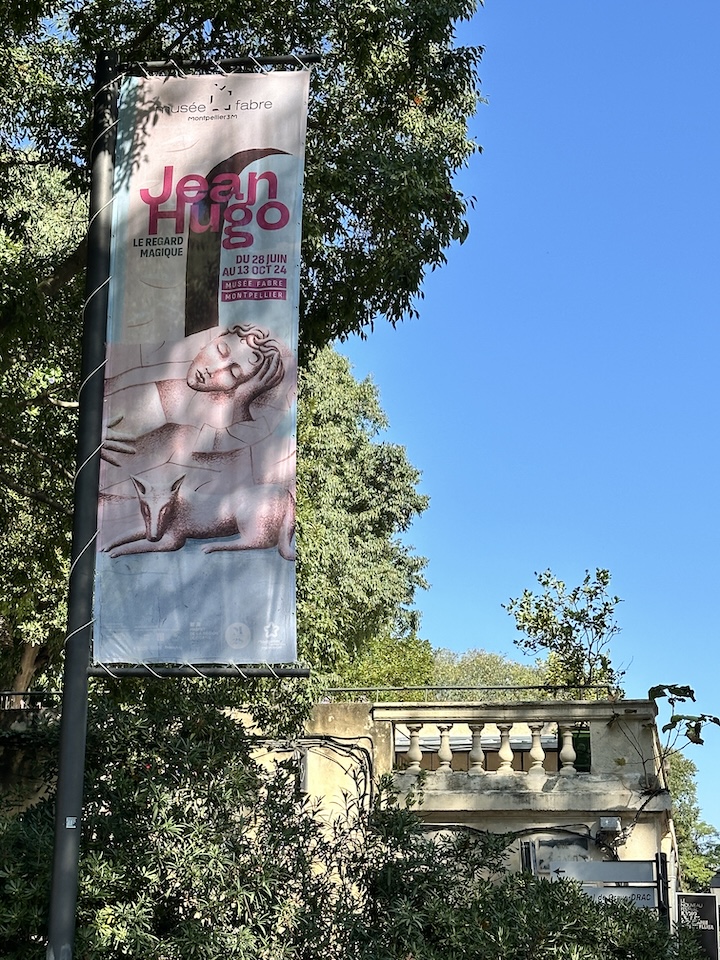
The current exhibit is focused on the painter, illustrator, theater designer, and author Jean Hugo, whose great grandfather was Victor Hugo. Now showing is the wide scope of his work and his bold geometric style.
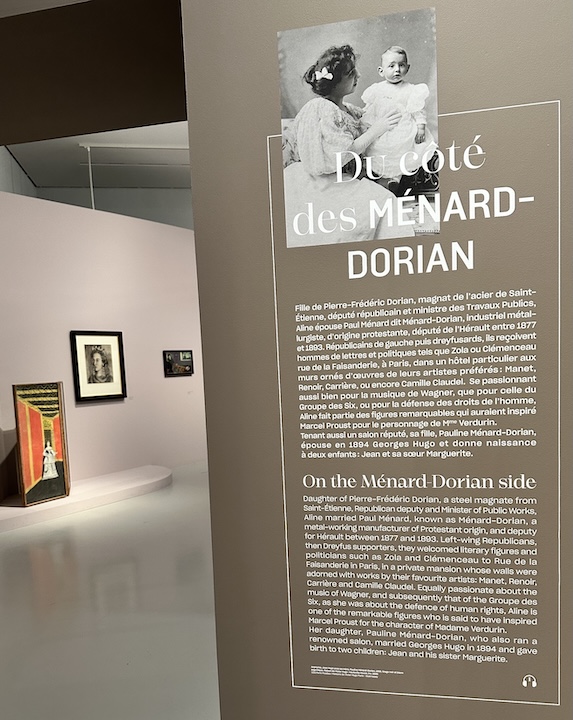
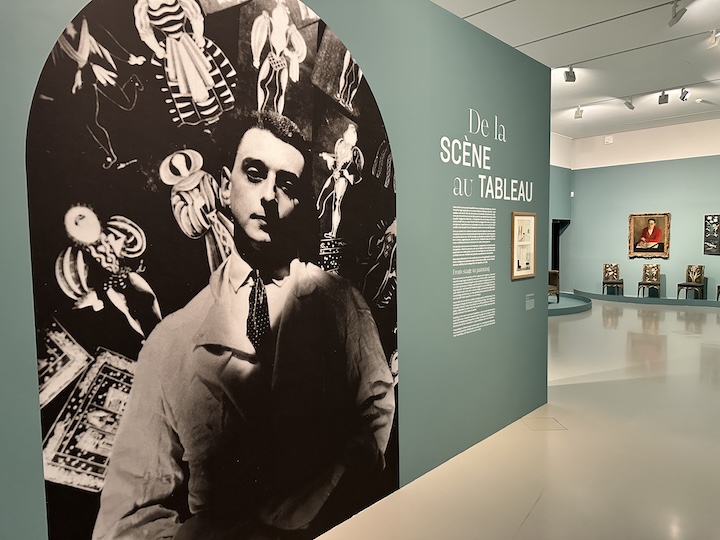
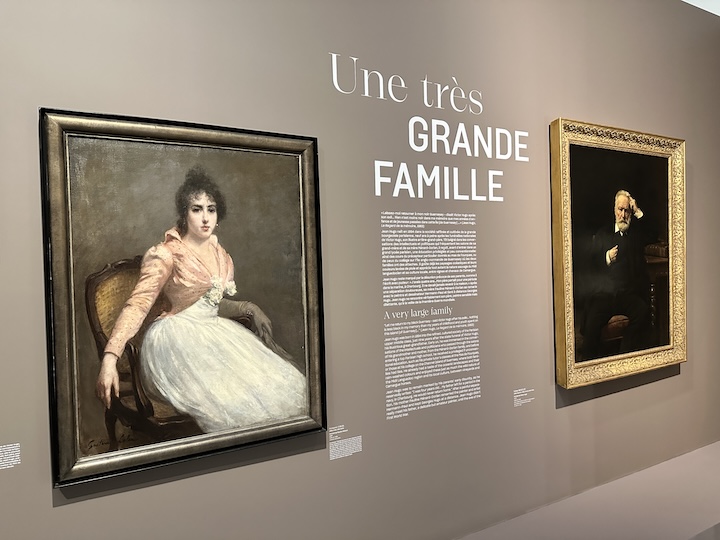
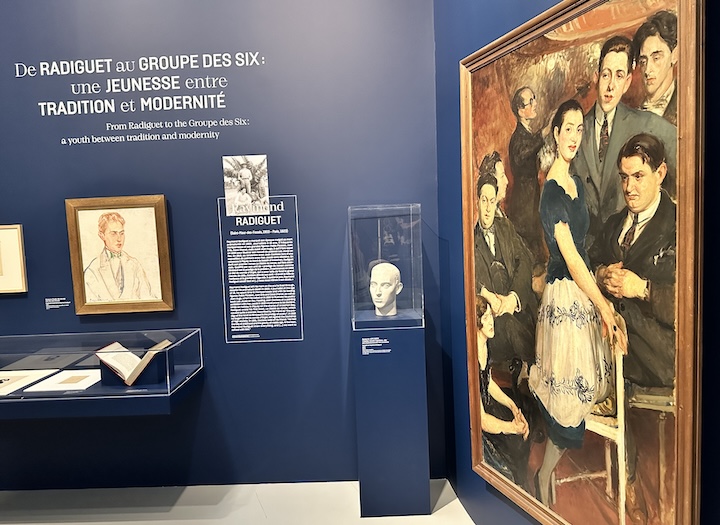
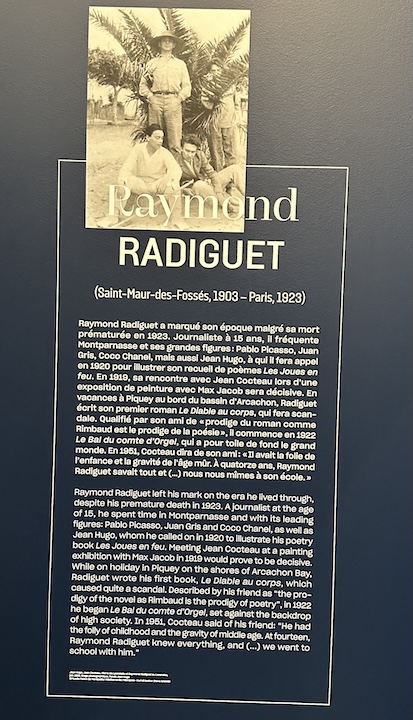
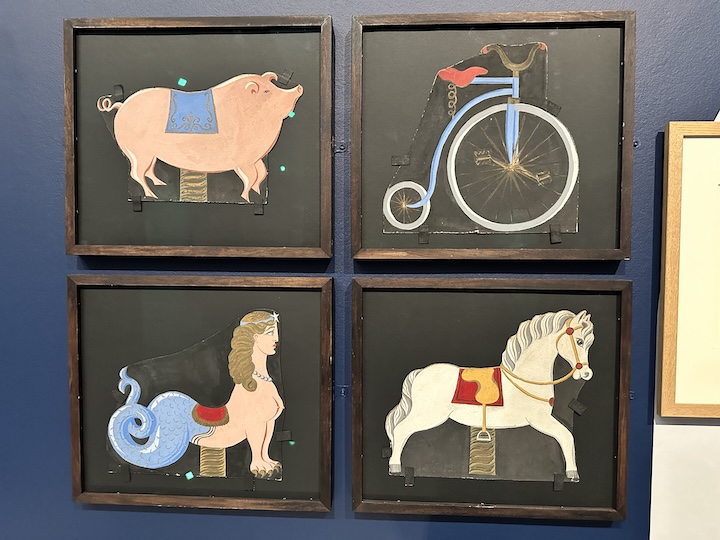
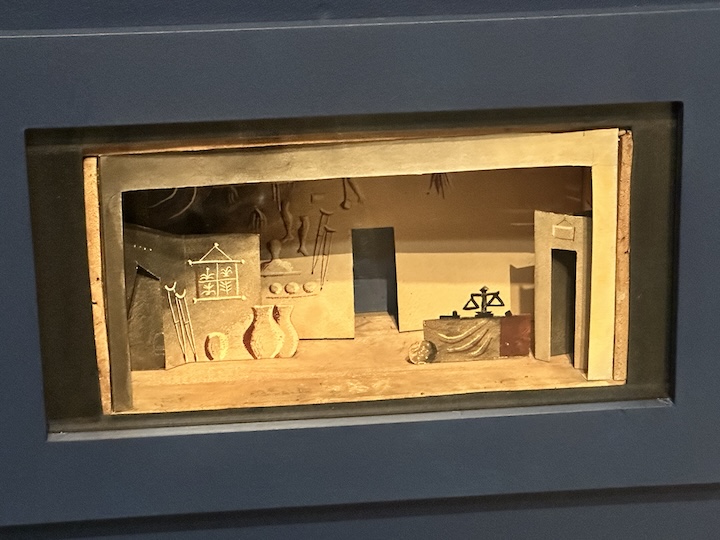
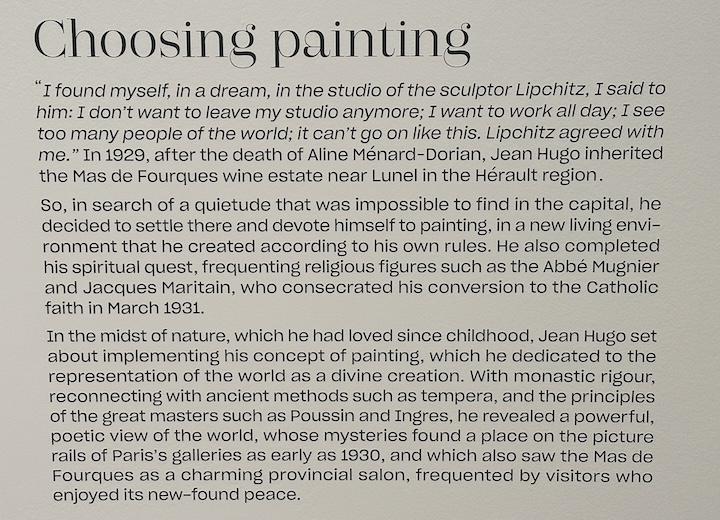
Images of villages with shattered walls and shattered people are reflections of the butchery he witnessed in WWI that influenced his work. In his diary he recorded horrible images of the insanity at the 1916 battle of Verdun, which cost about 750,000 total casualties between German and French troops over a period of 302 days. And the gains by each side were negligible.
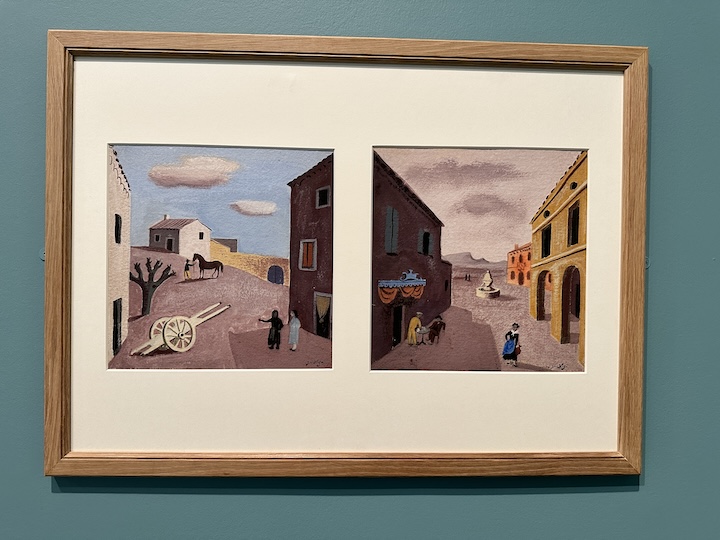
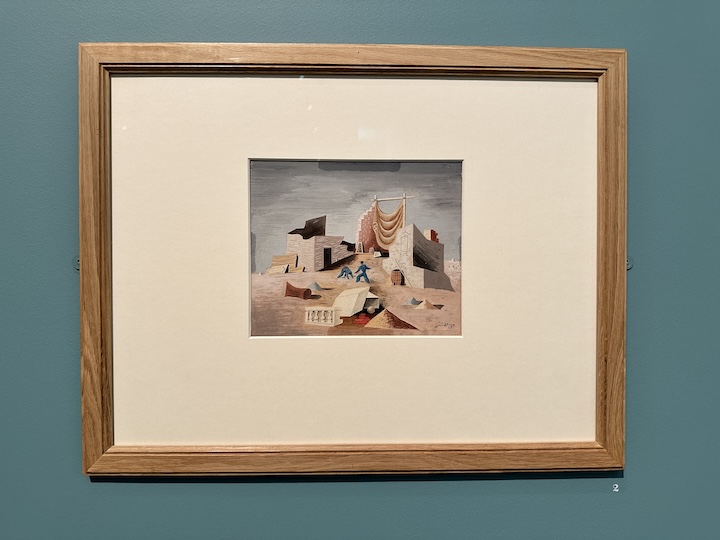
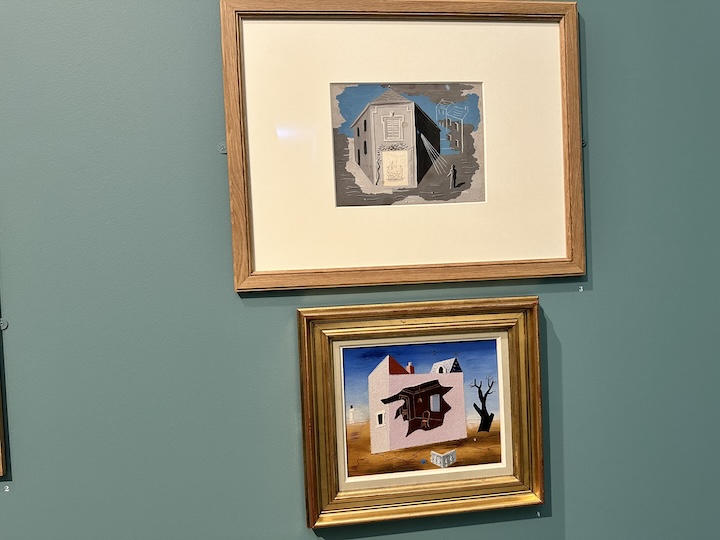
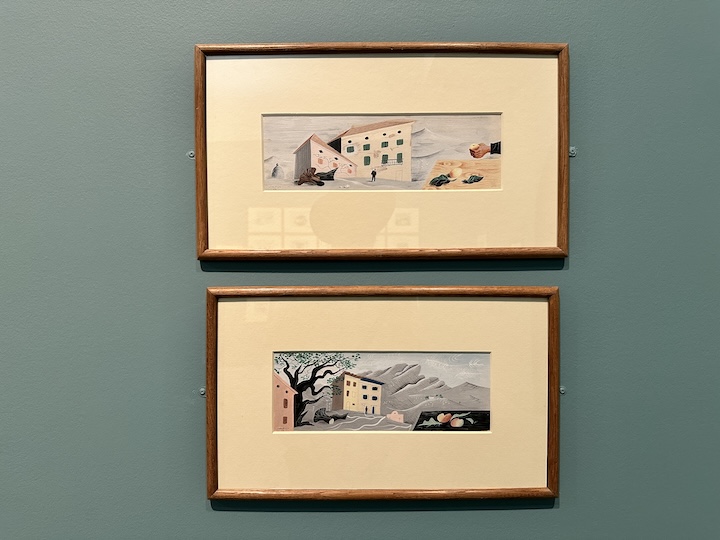
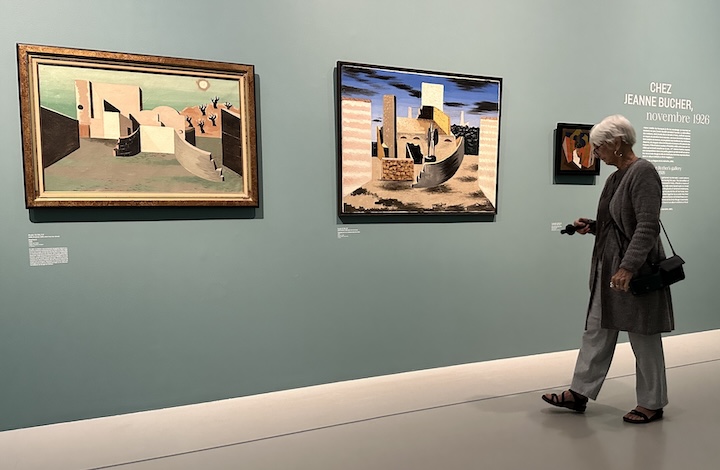
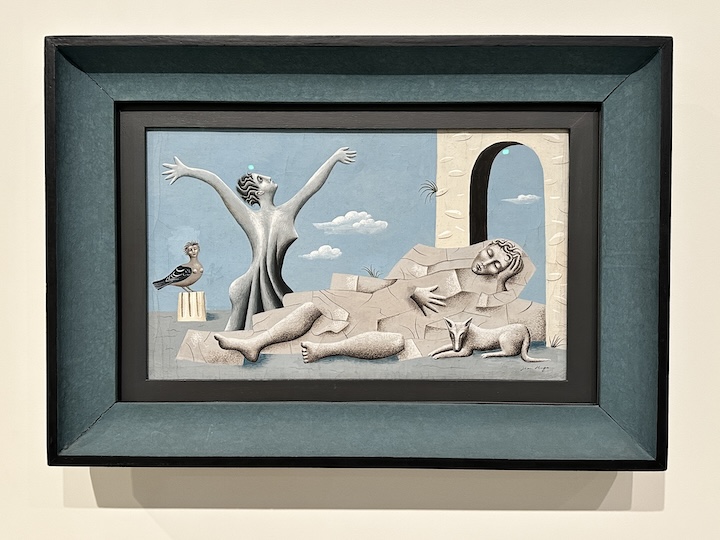
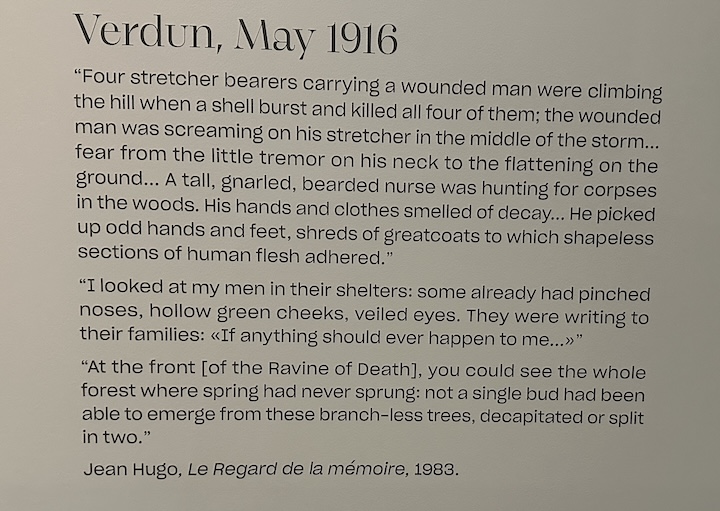
The First World War left almost 20 million deaths among military troops and civilians. Terrible indictments of the insanity of the war, and incompetence of the leadership, were written by the British officer Siegfried Sassoon, and by the young lieutenant Wilfred Owen, who recalled “the old lie” of the Roman poet Horace:
Dulce et decorum est pro patria mori. (“Sweet and proper it is to die for one’s country.”)
Wilfred Owen died in action in France one week before the Armistice was signed to end WWI. And in 1971 John Kerry, in speaking of a different war, said “How do you ask a man to be the last man to die for a mistake?”
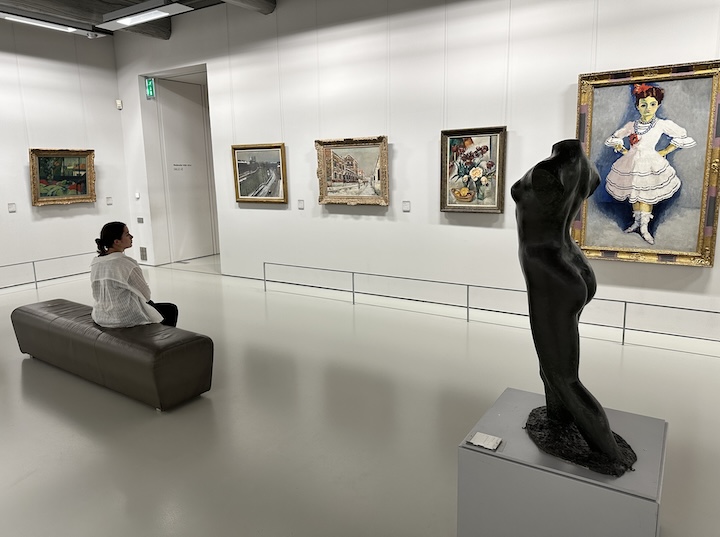
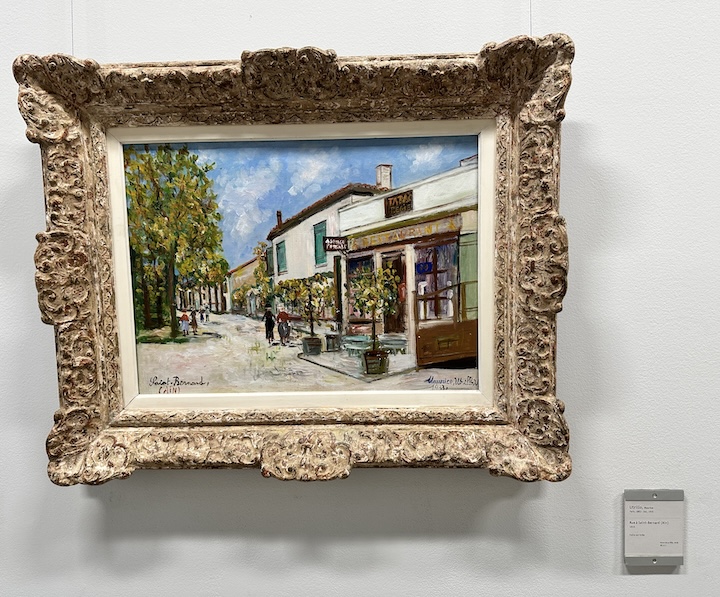
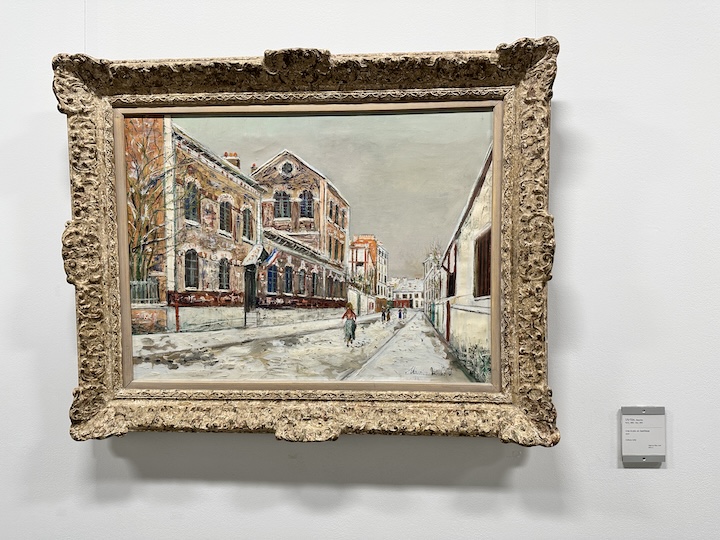
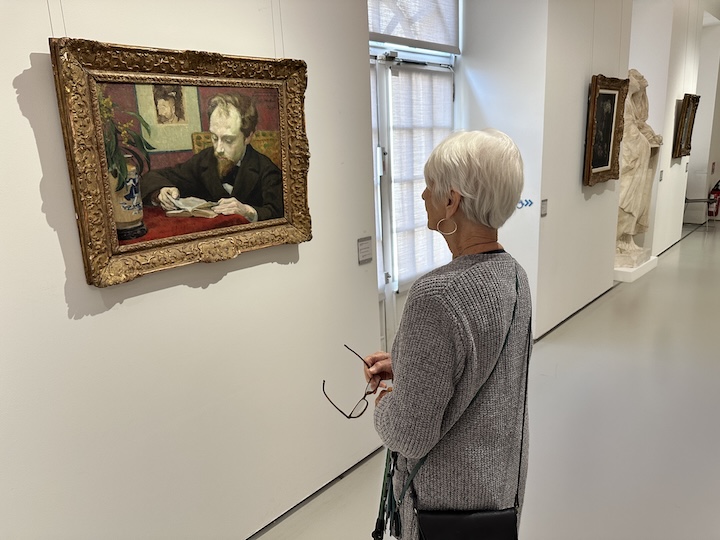
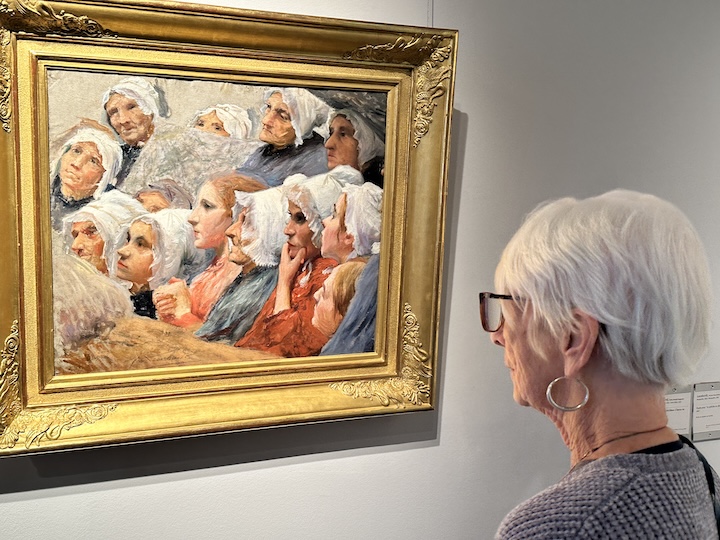
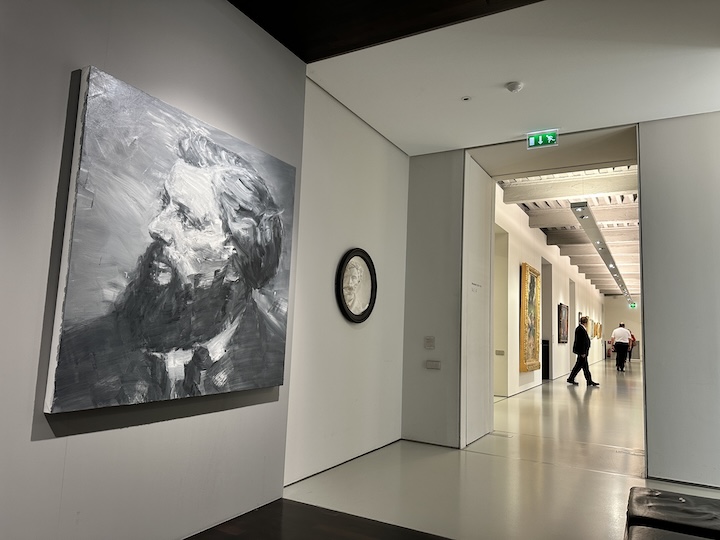
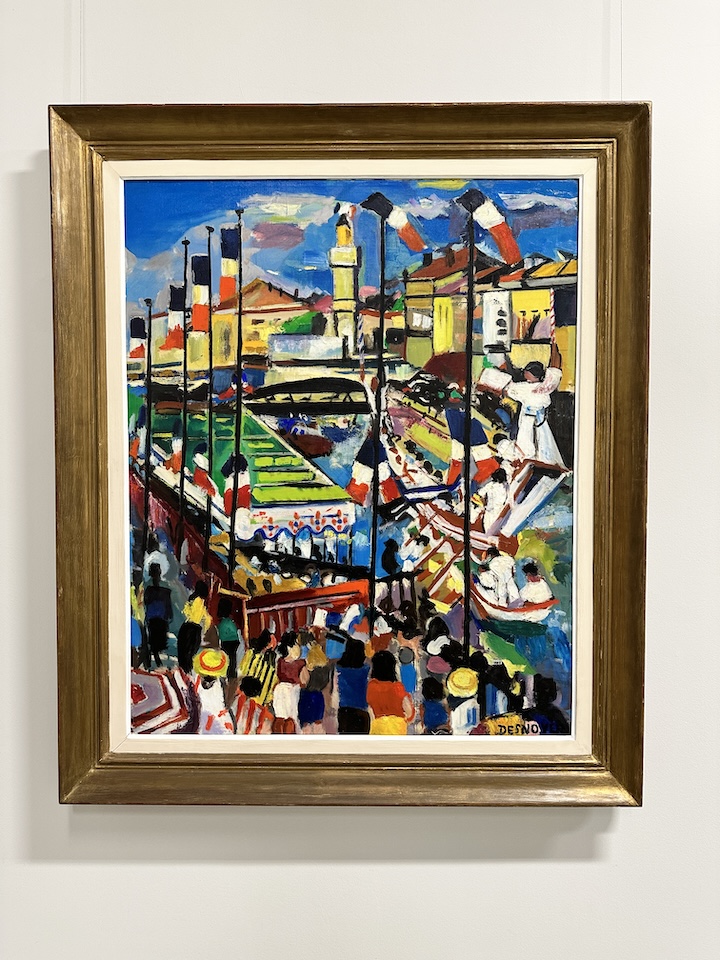
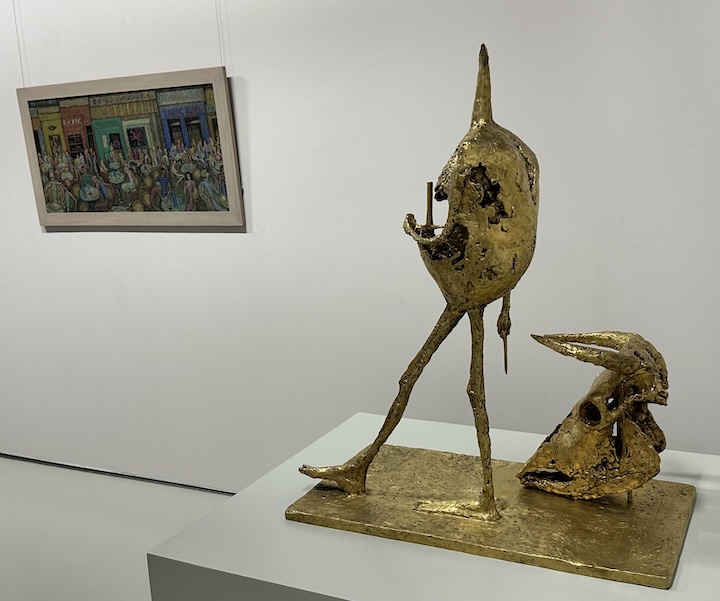
Other galleries contain additional fine examples of the vast collections of the Musee Fabres, and the pictures speak for themselves.
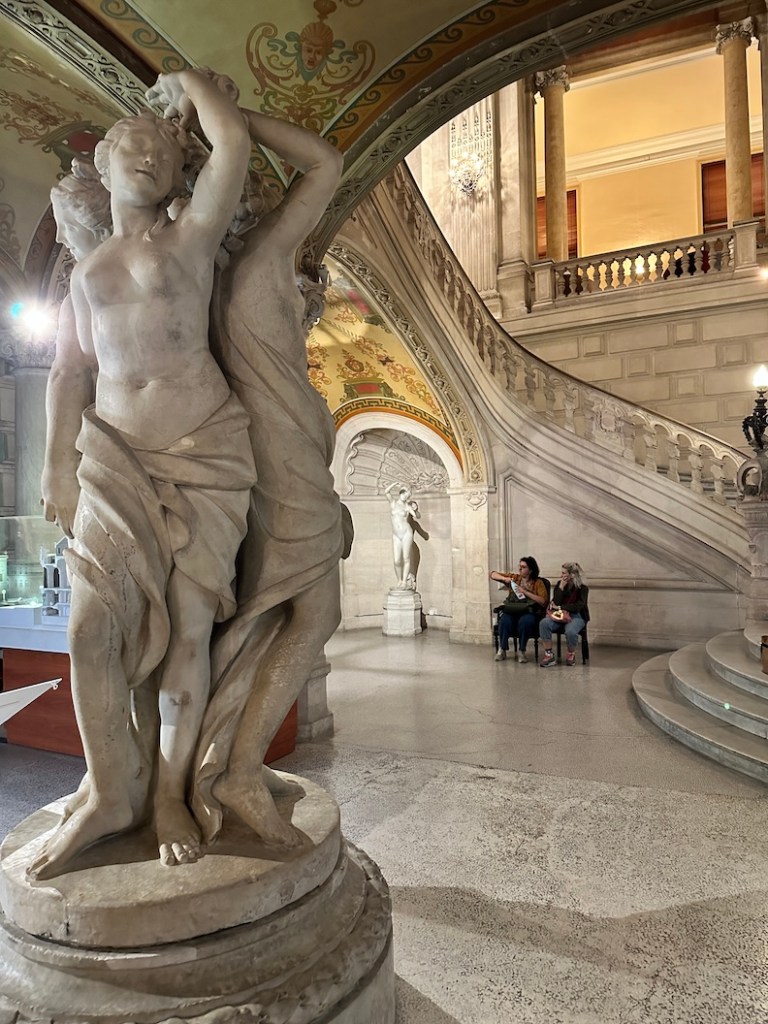
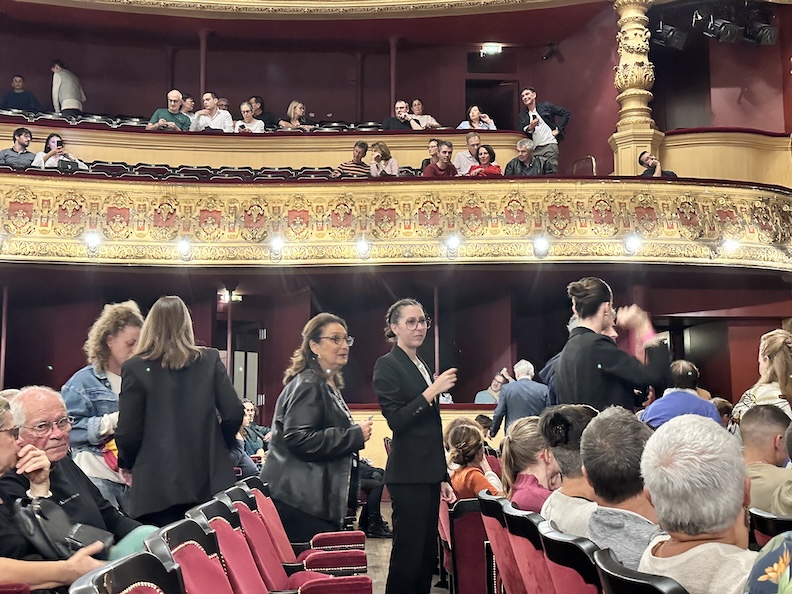
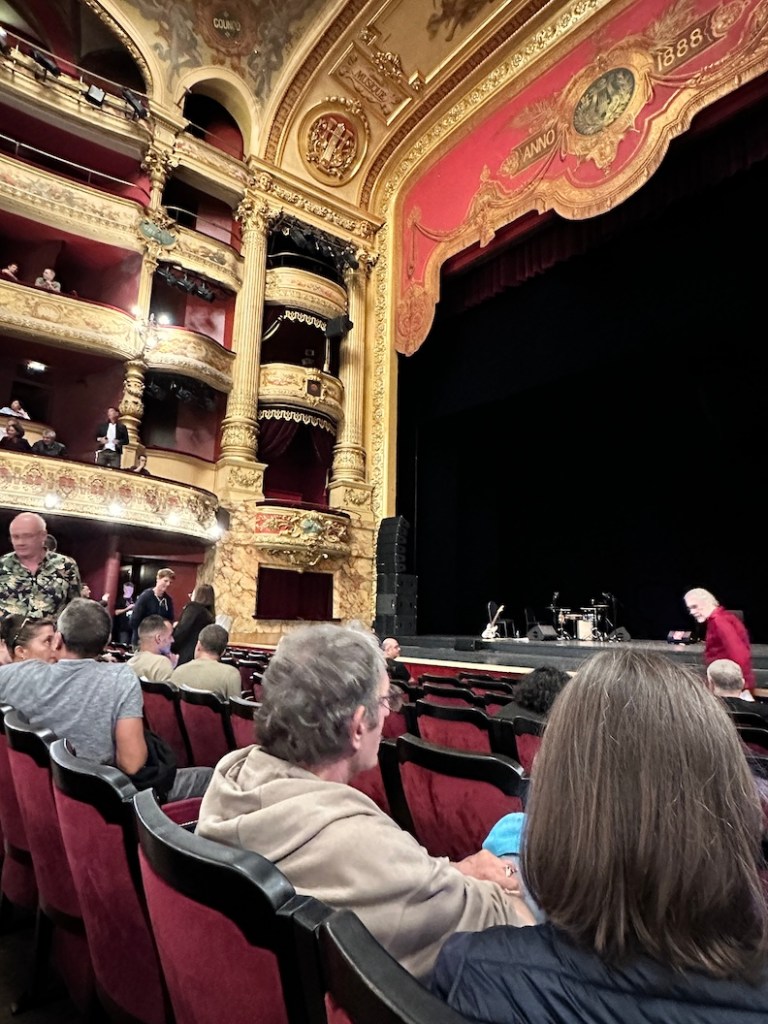
Wherever we go we look for special events, and it turns out there’s an International Guitar Festival currently underway. We bag two tickets and head out for a night of music in that big classical Theatre on the Place de la Comédie.
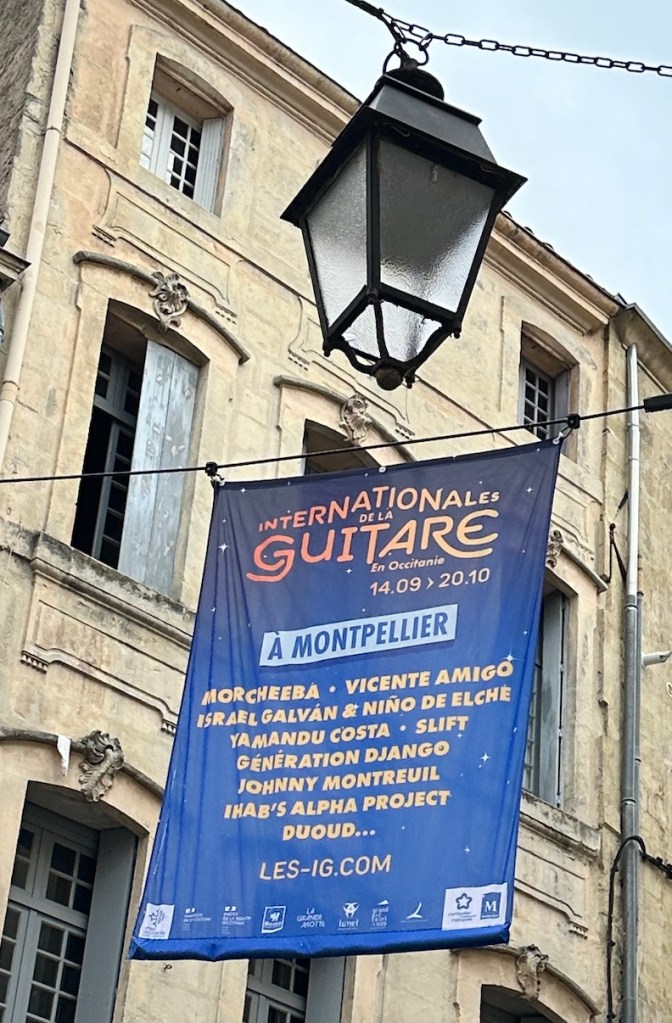
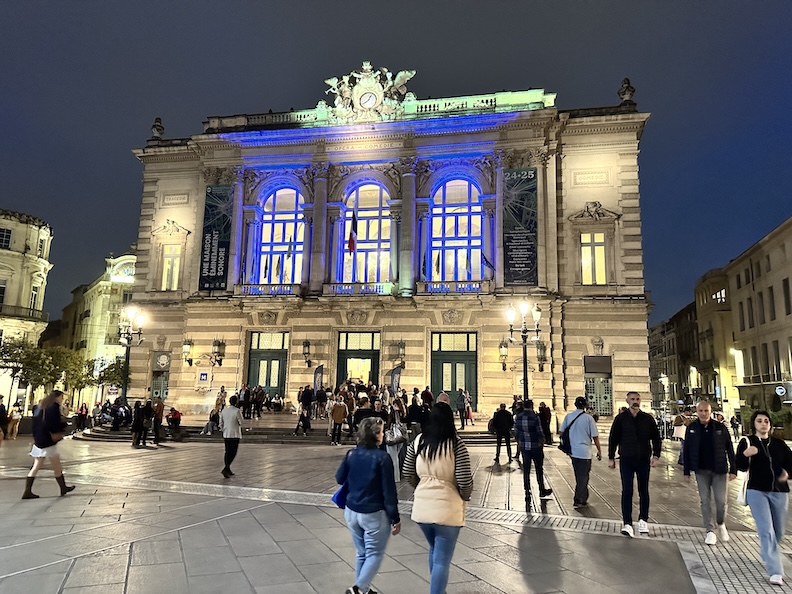
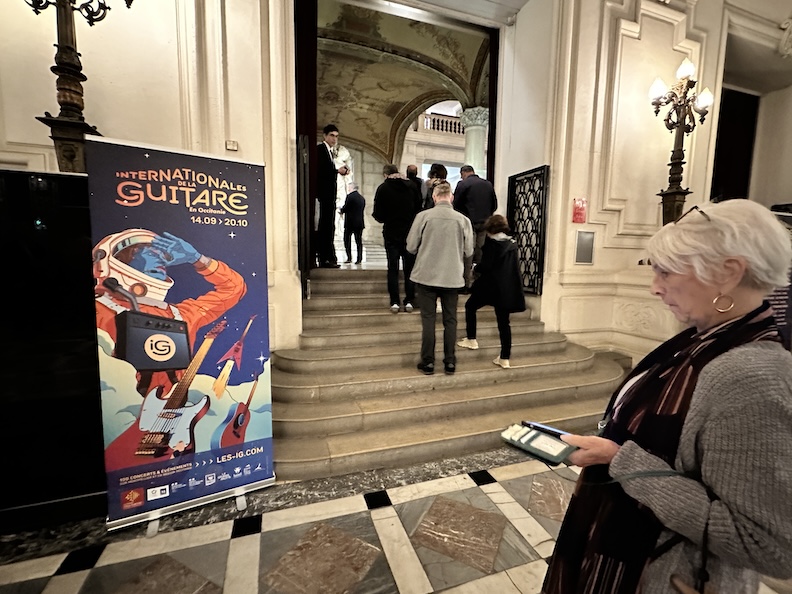
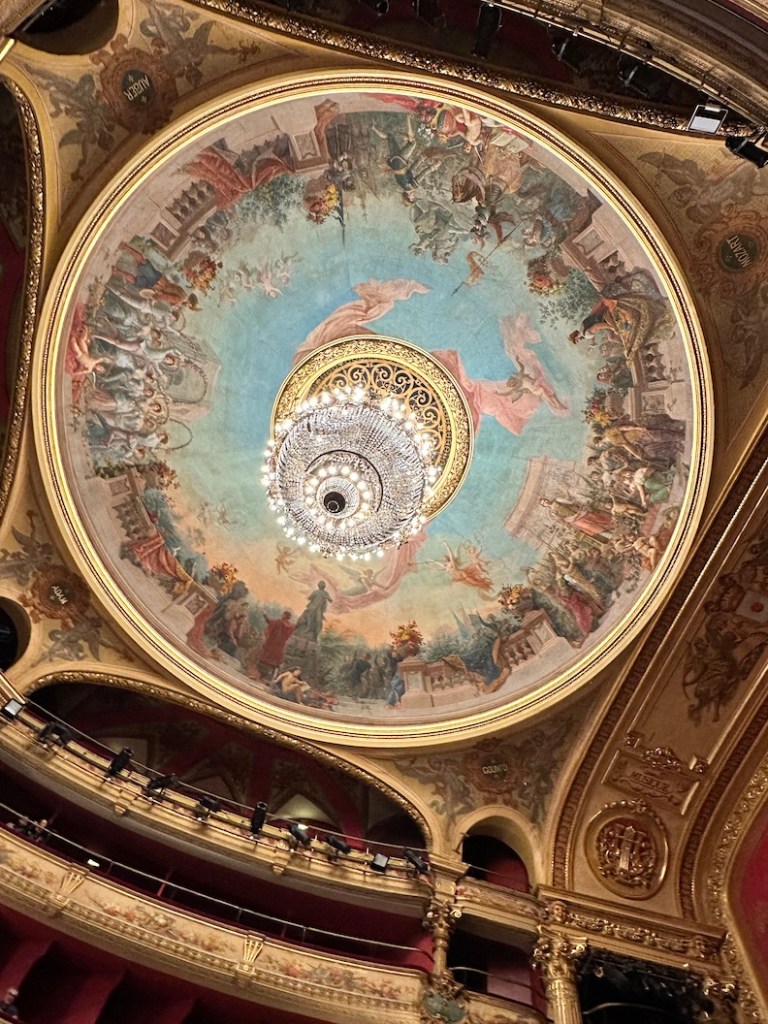
The grand old Theatre is just as impressive on the inside as the outside, and we’re ready for a fine concert by Vicente Amigo and friends. He’s a master of the flamenco guitar, with an impressive style. https://www.youtube.com/watch?v=_TzhCp9HNz8
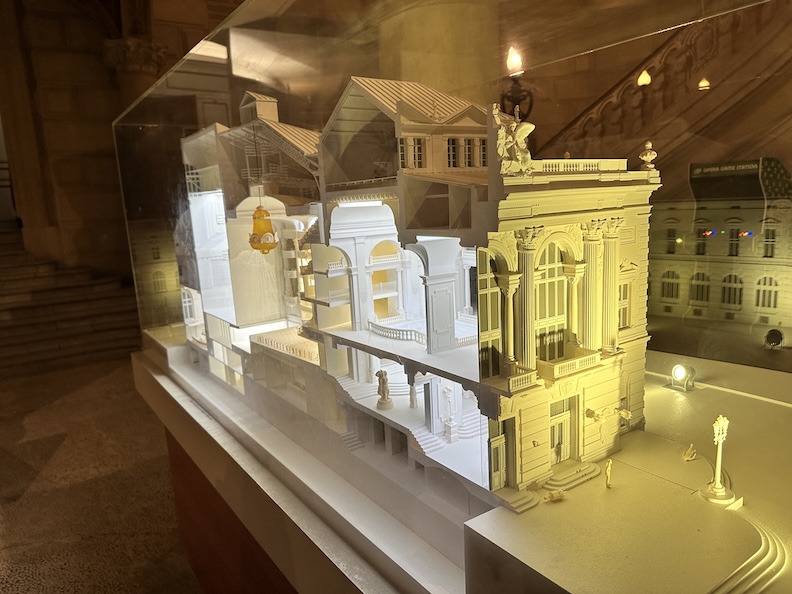
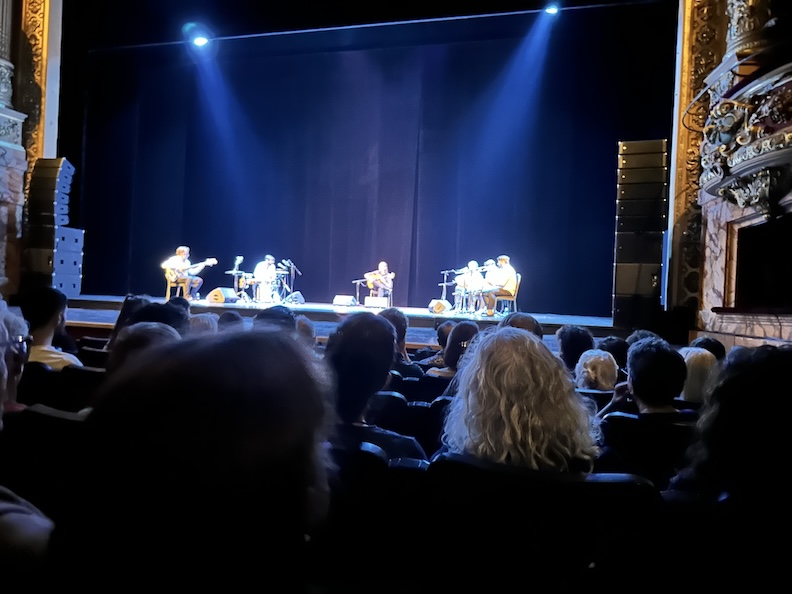
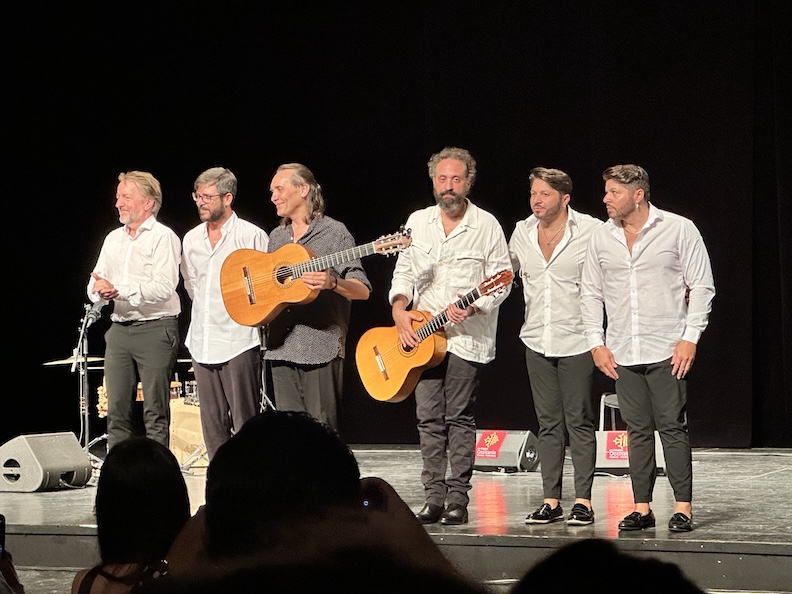
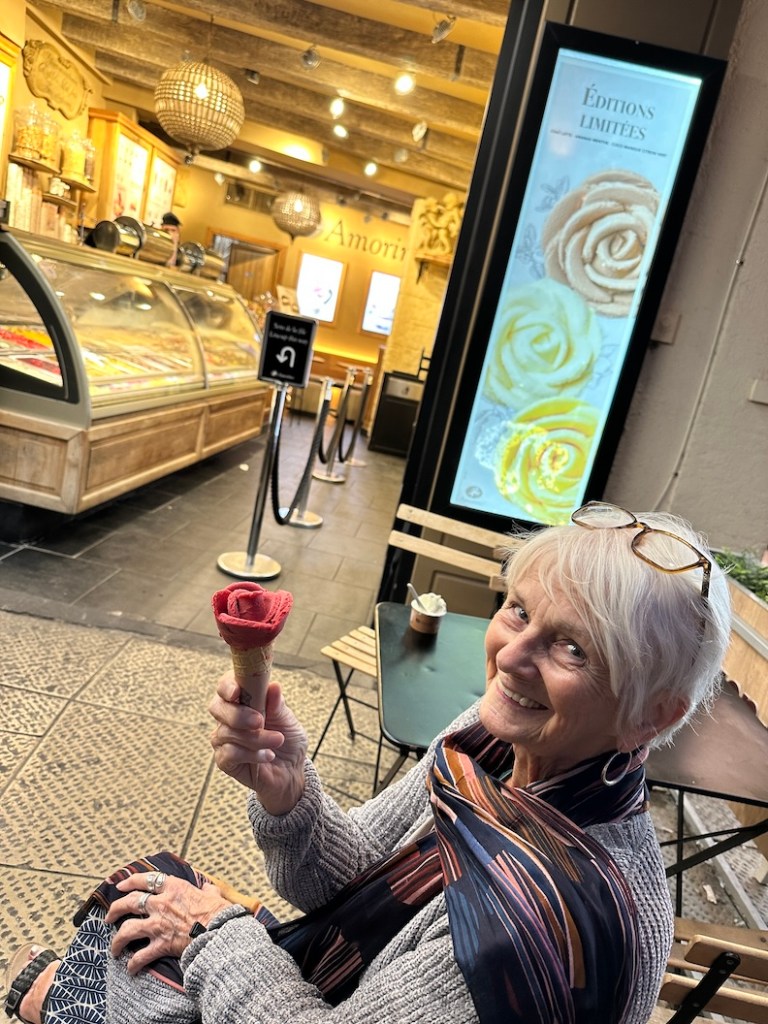
The nighttime is still well alive after we leave the concert, and there’s need for a cone of fine ice cream. The bars are also full to overflowing as we head back to our apartment near the bottom of the hill. It’s easy to see why so many talented students are attracted to Montpellier.
The renowned singer and actor Juliette Gréco was born in Montpellier in 1927. At the age of 16 she was incarcerated and tortured by the Gestapo for her work with the Resistance, along with her mother and older sister. After the war she became a cabaret singer among the artists and intellectuals in the Left Bank cafes of Paris.
Among her best known songs were the iconic “Sous le ciel de Paris” (1951) (https://www.youtube.com/watch?v=LcEKzT8EJm4&list=RDLcEKzT8EJm4&start_radio=1),
and her sultry-playful “Déshabillez-moi” (1967) (https://www.youtube.com/watch?v=-u02lMspv_0).
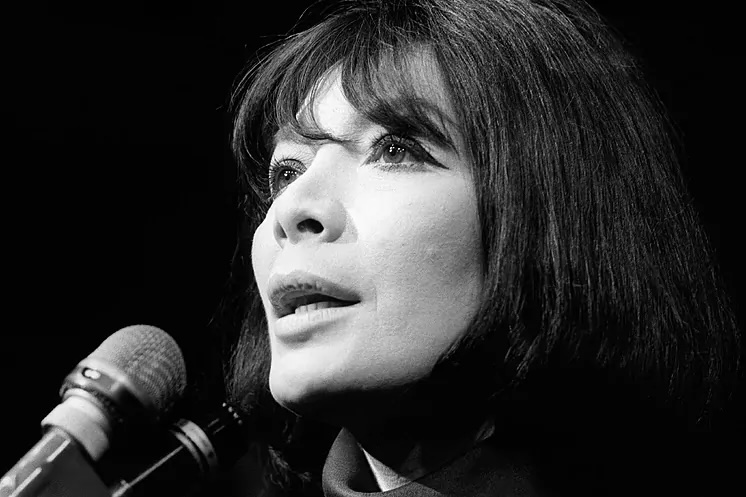
Her film credits include, “The Sun Also Rises” (1957), Otto Preminger’s “Bonjour Tristesse” (1958), and “Le Far West” (1973) with Jacques Brel.
Juliette Gréco was an inspiration for Marianne Faithful and John Lennon. And a love-smitten Paul McCartney even said that he wrote the song “Michelle” for her. She passed away in 2020 in the village of Ramatuelle, near St Tropez, at the age of 93.
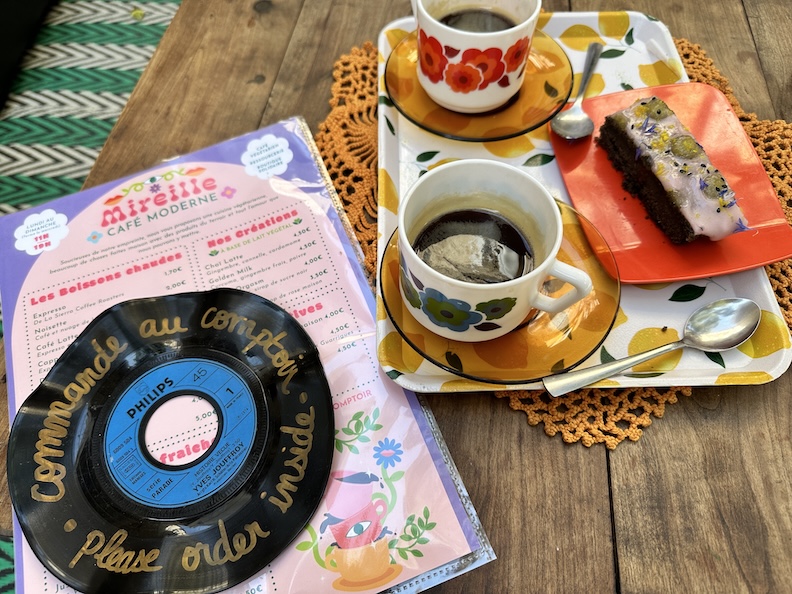
The University of Montpellier surrounds us with its many campuses and the energy of her students. It’s the kind of energy we enjoy as we stop under yet another leafy tree-filled grove to sip another round of coffee at another nicely funky cafe.
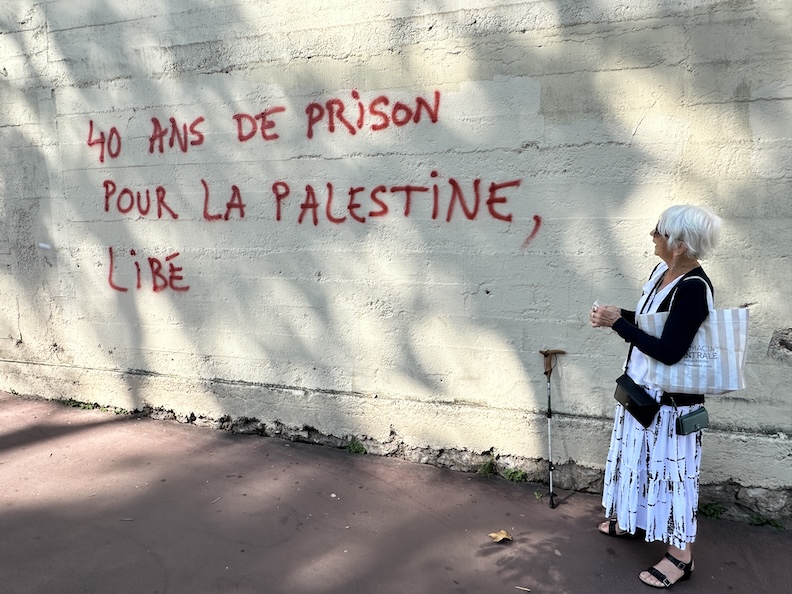
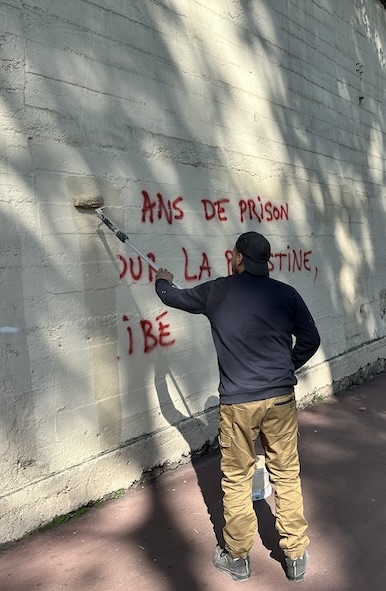
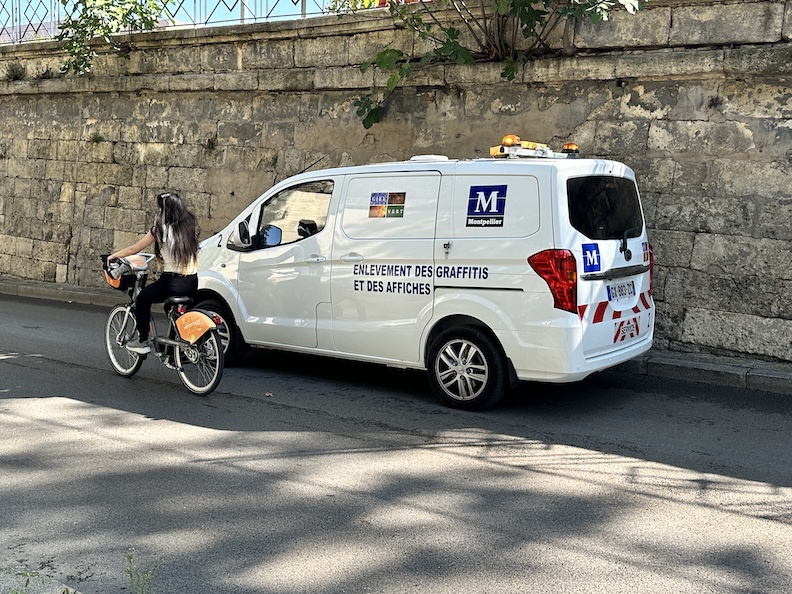
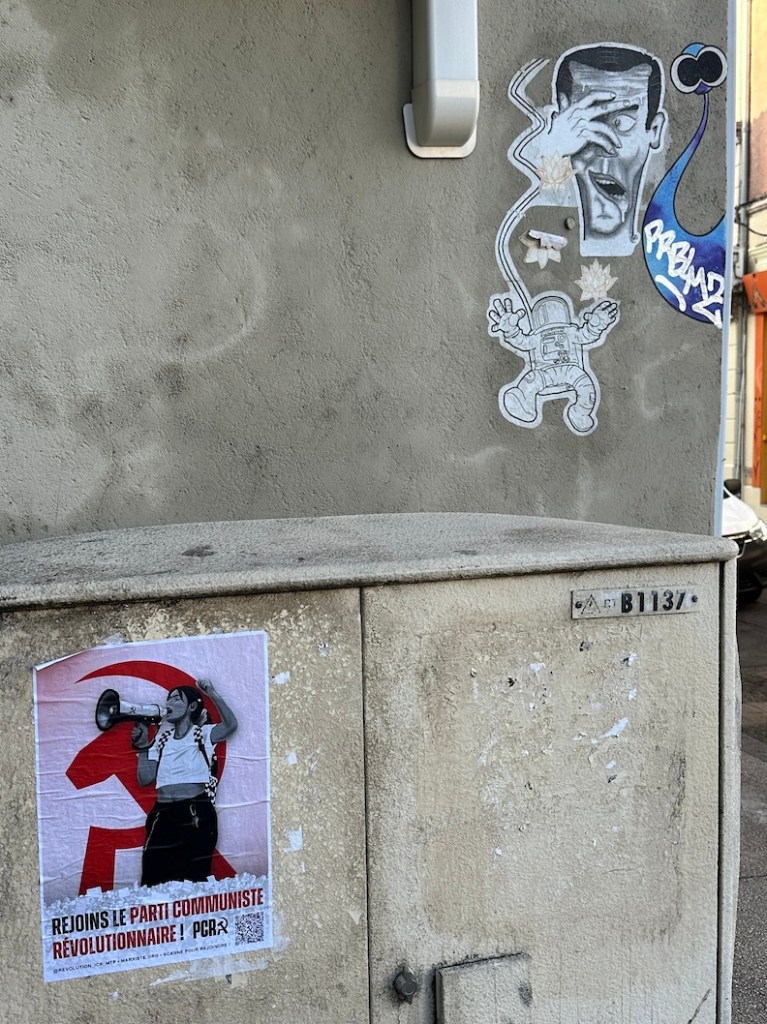
The students are also filled with passion concerning the events of the world, which may sometimes spill out onto the walls of the city. And there’s a crew that’s quick to cover these latest slogans, in matching paint.
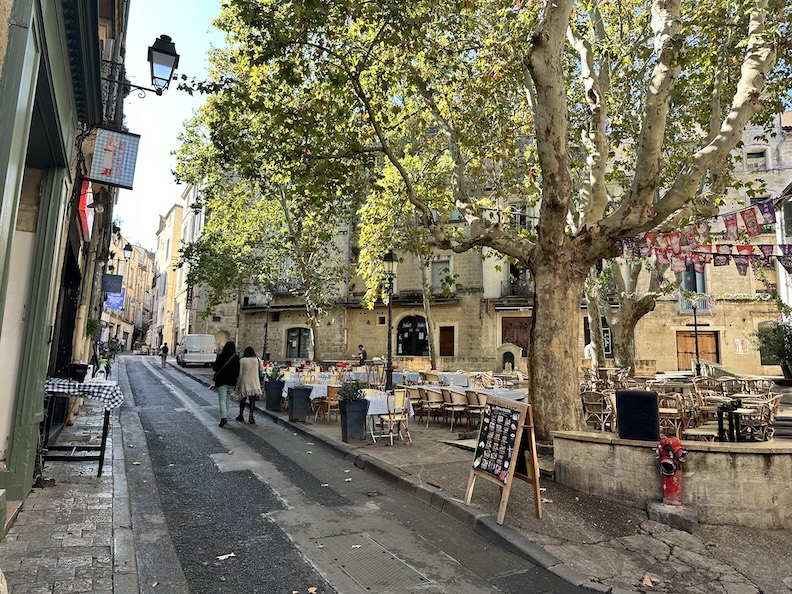
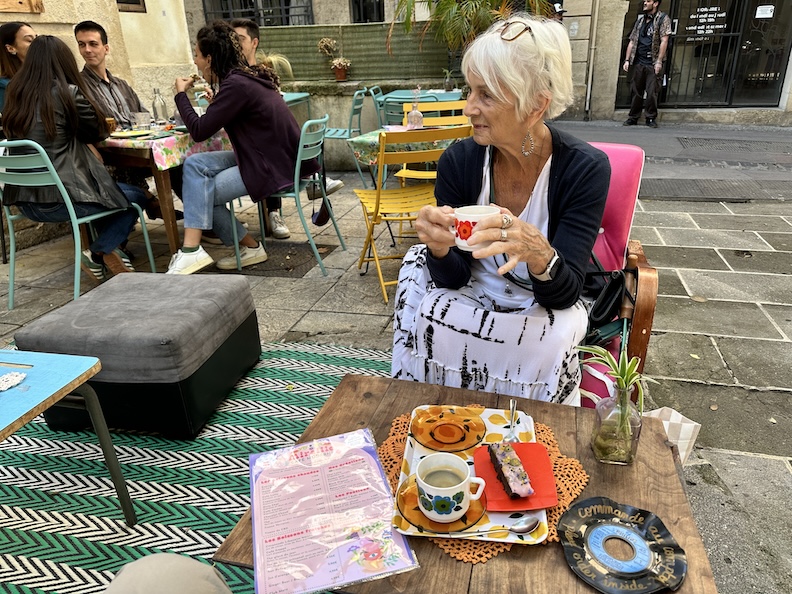
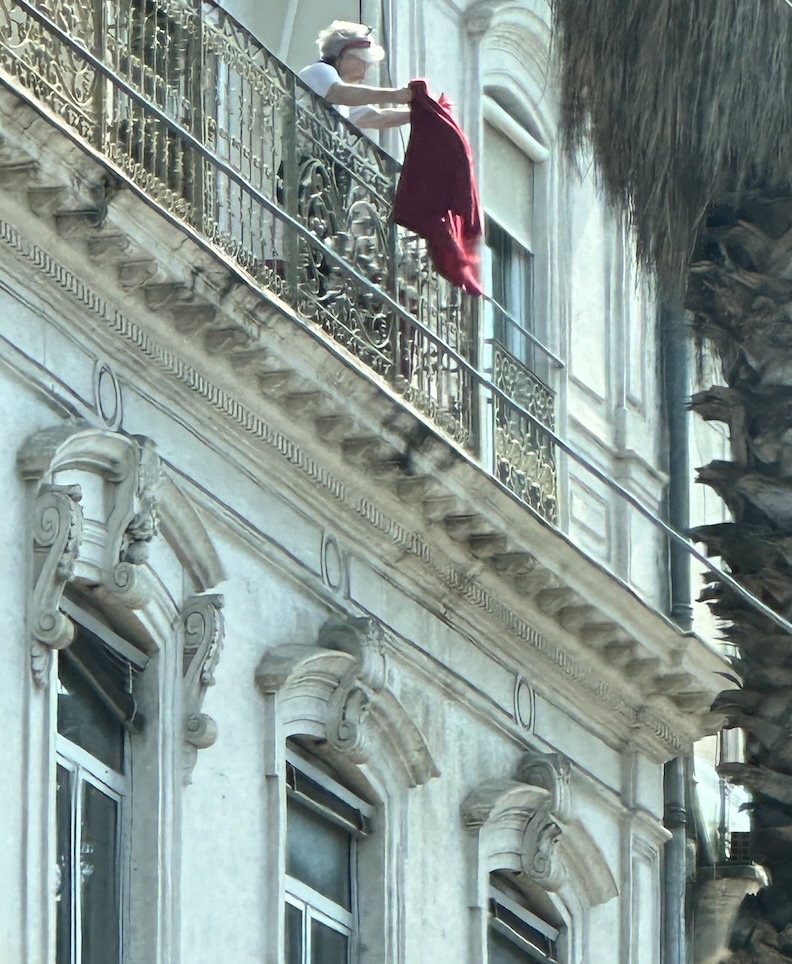
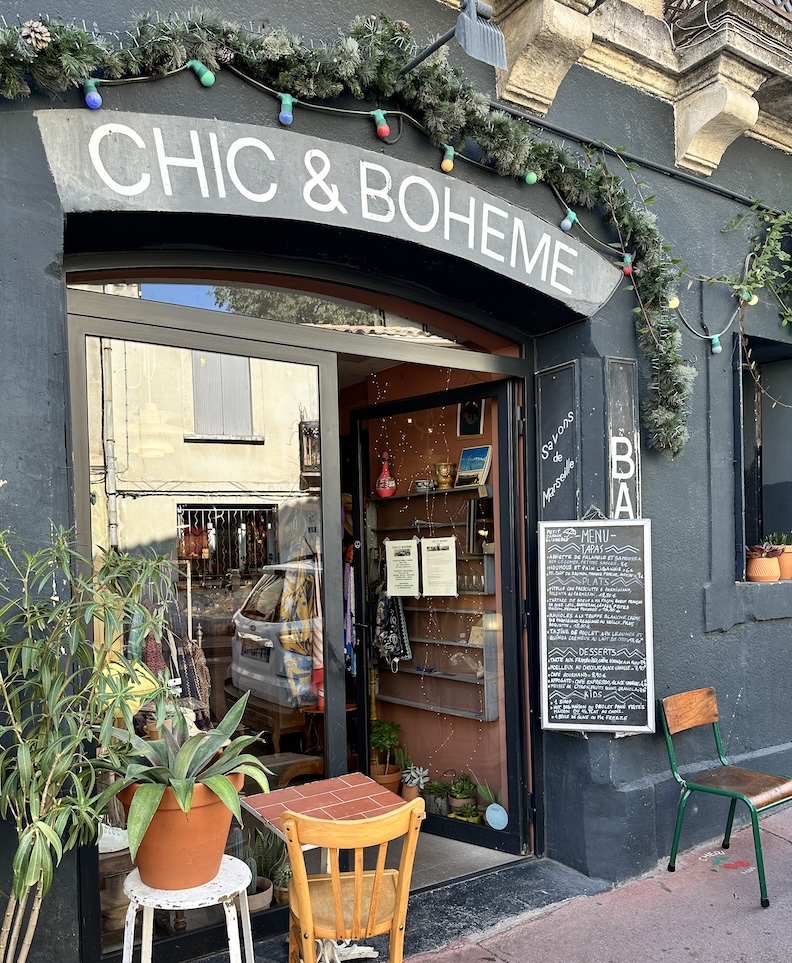
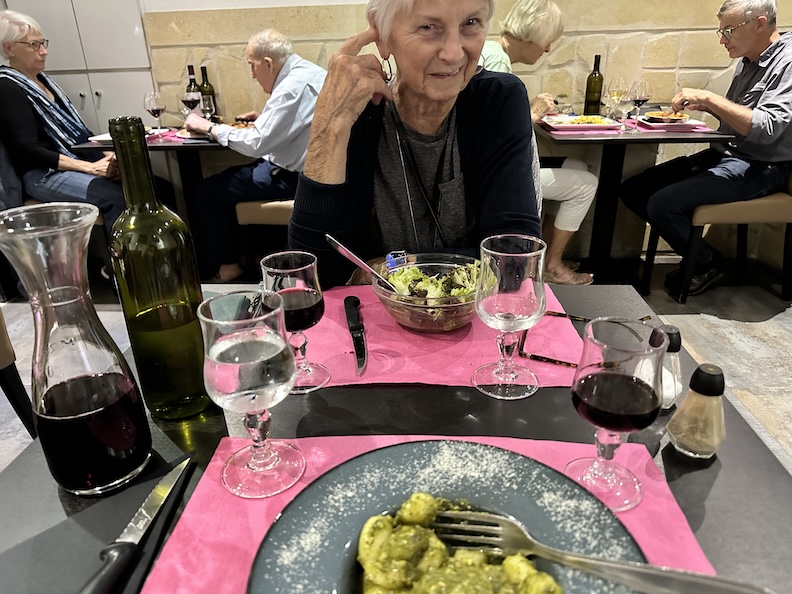
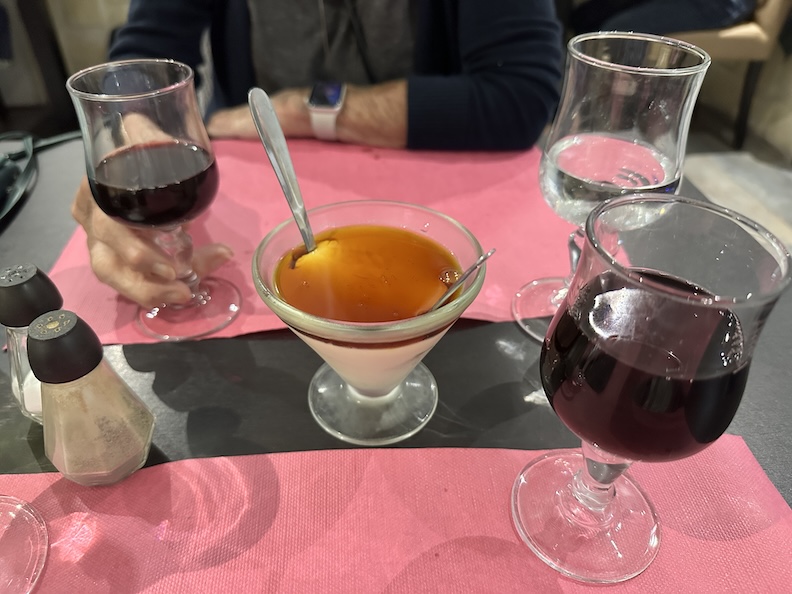
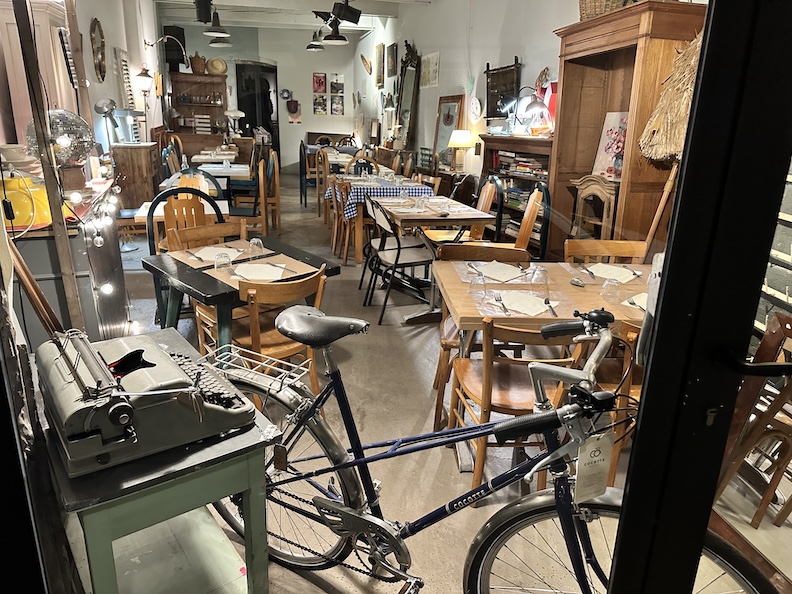
This is our last day here in Montpellier and we can easily find another sweet little cafe to enjoy our last evening meal.
In the morning we’ll be on the train again, and heading just down the coast to a gorgeous little port that long ago captivated such artists as Matisse and Derain. It’s a place called Collioure, and we hope you’ll join us there.
— PRW
 Wilkes/Kinsman dispatches